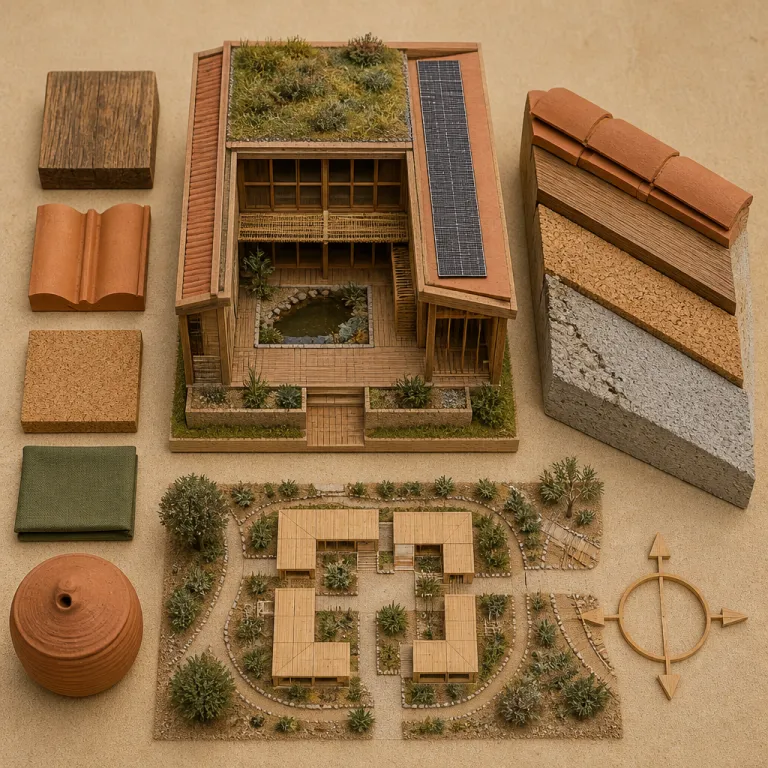
Why the building is your first eco-hotel architecture design sustainability visual guide
Before you even step into a hotel lobby, the building already tells a story. For eco conscious travelers, the façade, the roofline, and the way the structure meets the ground form a quiet but precise eco-hotel architecture design sustainability visual guide. Train your eye and you will see which hotels are genuinely sustainable and which simply apply a green gloss.
Start with proportion and orientation, because thoughtful hotel architecture is usually designed around sun, wind, and landscape rather than around a logo wall. A truly sustainable hotel will often stretch along a contour, angle its rooms toward natural light, and use overhangs or screens to cut energy consumption before any mechanical system is switched on. When you see a design hotel wrapped in floor to ceiling glass in a hot climate, you can already guess the energy and water demand of its cooling system and the long term environmental impact of that choice.
Look at how the structure touches the land, since this relationship reveals a lot about environmental responsibility and hotel sustainability. Friendly hotels that sit lightly on their sites often use stilts, terraces, or low retaining walls in natural stone instead of massive cut and fill platforms in imported concrete. When a sustainable hotel appears to grow out of the terrain, with stone, timber, and green roofs echoing the surrounding landscape, you are usually looking at architecture designed for sustainable luxury rather than short term spectacle.
Materials that speak: stone, timber, earth and what they really mean
Materials are the most legible part of any eco friendly hotel design, and they form the backbone of your personal eco-hotel architecture design sustainability visual guide. Ask yourself where the materials came from, how far they traveled, and how they will age in this particular climate. A wall of locally quarried stone or rammed earth usually signals lower carbon emissions than a lobby clad in imported marble that only pretends to be green.
When you see natural stone used both inside and out, especially in hotels like Tierra Patagonia in Chile, you are often seeing architecture designed to weather with the landscape rather than fight it. In these sustainable hotels, reclaimed timber, regional brick, and lime plaster help regulate heat and humidity, reducing energy consumption and operational costs over the long term. By contrast, a design hotel that relies on synthetic panels, sealed composite floors, and heavy chemical finishes may talk about sustainability while locking in higher energy and water use for decades.
Adaptive reuse is another powerful material signal, and it is worth studying properties that turn existing structures into eco friendly friendly hotels. When you read about the architecture of building eco hotels inside existing structures, you see how reusing a frame can dramatically cut carbon and waste compared with new builds. For a guest, this often translates into a richer guest experience, where layers of history, exposed stone, and carefully designed details make the hotel feel both sustainable and deeply rooted in place.
Orientation, light and air: how passive design cuts energy and water use
Once you have read the materials, shift your eco-hotel architecture design sustainability visual guide to orientation, daylight, and airflow. A sustainable hotel that takes passive design seriously will rarely need to shout about renewable energy on every brochure, because the building itself already reduces demand. Look for long façades facing north and south rather than east and west in hot regions, deep balconies, and screens that tame the sun while still giving guests generous views.
Natural ventilation is one of the clearest signs of environmental responsibility in hotel architecture, especially in temperate or tropical climates. When rooms are designed with operable windows on two sides, shaded courtyards, and ceiling fans, guests can often sleep comfortably with minimal energy consumption from air conditioning. Off grid retreats featured in analyses of the design philosophy behind the world’s most sustainable retreats show how carefully designed cross ventilation and stack effect chimneys can turn wind and shade into primary cooling systems.
Daylight strategy also reveals a lot about hotel sustainability and long term operational costs. Friendly hotels that rely on skylights, light wells, and clerestory windows can keep public spaces bright while using less artificial lighting energy throughout the day. When you see a design hotel with deep plan corridors, no natural light, and sealed windows, you can safely assume higher energy and water use for cooling, dehumidification, and pumping, all of which increase the environmental impact of each guest night.
The landscape test: does the eco hotel sit on the land or in it ?
The most reliable way to read a sustainable hotel is to step back and study its landscape. A serious eco friendly property will treat the surrounding land as a partner in the architecture, not as decoration added after the fact. Your eco-hotel architecture design sustainability visual guide should therefore start with questions about native planting, water management, and how guests move through outdoor spaces.
Look for hotels where paths follow existing contours, where decks float above sensitive ground, and where natural stone terraces double as water harvesting devices. In such sustainable hotels, rainwater is often slowed, filtered, and reused, reducing both waste and energy water demands for irrigation. When a hotel scrapes a flat platform into a hillside, replaces local vegetation with thirsty lawns, and relies on constant pumping, the environmental impact and operational costs rise sharply, no matter how many green slogans appear on the website.
Properties like Tierra Patagonia show how architecture can almost dissolve into the landscape through low profiles, earth toned materials, and carefully designed sightlines that keep the horizon intact for every guest. This approach to hotel design supports a richer guest experience, where guests feel part of the ecosystem rather than spectators behind glass. For eco conscious travelers, friendly hotels that restore wetlands, replant native species, and integrate walking trails offer a more sustainable luxury than any infinity pool perched on a cliff.
Water, waste and energy systems you can actually see
Many of the most important sustainability systems in hotels are hidden in plant rooms, yet a surprising amount is visible if you know where to look. Use your eco-hotel architecture design sustainability visual guide to scan roofs, courtyards, and service areas for clues about water, waste, and energy infrastructure. These visible details often tell you more about environmental responsibility than any certification plaque.
On roofs, photovoltaic panels and solar thermal collectors indicate a commitment to renewable energy that directly reduces carbon emissions from electricity and hot water production. In courtyards or gardens, reed beds, bioswales, and permeable paving show how a sustainable hotel manages stormwater, filters greywater, and reduces waste while easing pressure on municipal systems. When you see compact, well organized back of house areas with clear recycling streams and food waste separation, you are looking at design that supports staff and lowers long term operational costs.
Some of the most advanced friendly hotels now publish data on energy consumption and water use, turning infrastructure into part of the guest experience rather than hiding it. Iceland’s geothermal properties, for example, channel volcanic energy water into heating systems, pools, and spas, a model explored in depth in this guide to geothermal hotels where volcanic energy powers a new kind of luxury. For eco conscious guests, seeing pipes, meters, and explanatory signage turns abstract sustainability into a tangible part of hotel architecture and design.
How interiors, circulation and guest experience reveal true hotel sustainability
Interior architecture is where sustainability meets daily life, and it is here that your eco-hotel architecture design sustainability visual guide becomes most personal. Pay attention to how you move through the hotel, how spaces sound, and how they feel at different times of day. These sensory details reveal whether the building was designed around guest comfort with minimal energy, or around spectacle that demands constant mechanical support.
In a genuinely sustainable hotel, circulation routes are compact, legible, and often aligned with daylight, so guests intuitively find their way without endless artificial lighting. Natural materials such as timber, wool, and stone are used where they make sense, softening acoustics and regulating temperature while reducing the need for intensive finishes. When a design hotel relies on long, artificially lit corridors, double height lobbies, and constantly running escalators, you can infer higher energy consumption and a weaker commitment to environmental responsibility.
Room layouts also matter, because they shape both guest experience and resource use in friendly hotels. Spaces that are designed to be naturally cool or warm, with operable windows, ceiling fans, and layered shading, invite guests to use less air conditioning and heating without sacrificing comfort. Over time, these choices support hotel sustainability by cutting energy and water demand, lowering operational costs, and making sustainable luxury feel like the default rather than a compromise.
Spotting greenwashing in eco friendly hotel architecture
Not every eco label signals a sustainable hotel, and architecture is often where greenwashing becomes visible. Use your eco-hotel architecture design sustainability visual guide to compare what you see with what the marketing claims. A lobby plaque about renewable energy means little if the building is a sealed glass box in a hot climate that demands enormous cooling energy.
Warning signs include vast, unshaded glazing, oversized volumes that are expensive to heat or cool, and imported materials that clash with the local landscape. When a hotel talks about being eco friendly but sits on a flattened hilltop, surrounded by lawns and ornamental water features in a dry region, the environmental impact of that design is hard to ignore. By contrast, sustainable hotels that may not shout about certifications often show their values through modest scale, careful orientation, and materials that echo nearby villages and natural stone formations.
One simple question cuts through much of the noise : was the architect local, and did they work with the ecology of the site ? When hotel architecture is designed by teams who understand local climate, water cycles, and building traditions, the result is usually more resilient, with lower long term energy consumption and waste. For guests choosing between hotels, favoring properties that integrate landscape, materials, and systems into a coherent, eco conscious whole is one of the most effective ways to support genuine hotel sustainability and reduce global carbon footprints.
Key figures that frame sustainable hotel architecture
- The World Green Building Council reports that buildings account for around 37% of global energy related carbon emissions, which means every improvement in hotel design and hotel architecture has an outsized impact on climate goals.
- According to the International Energy Agency, energy efficiency measures in buildings could reduce global energy demand by up to 25% by mid century, highlighting how passive design in hotels can cut both operational costs and environmental impact.
- Research from the U.S. Green Building Council indicates that green buildings can reduce water use by 15% to 20% compared with conventional buildings, a critical factor for sustainable hotels operating in water stressed destinations.
- Studies published by the Global Sustainable Tourism Council show that travelers are increasingly willing to pay a premium of 10% to 20% for verified sustainable luxury stays, which encourages more hotels to invest in renewable energy, natural materials, and long term hotel sustainability strategies.
FAQ about reading eco hotel architecture
How can I quickly tell if a hotel is genuinely sustainable ?
Start by looking at how the building sits in the landscape, the materials used, and whether there is visible renewable energy infrastructure on roofs or grounds. A genuinely sustainable hotel usually uses local stone or timber, integrates native planting, and avoids excessive glass in harsh climates. If the architecture clearly reduces energy consumption and water use through shading, orientation, and natural ventilation, the sustainability claims are more likely to be real.
What questions should I ask a hotel about its architecture before booking ?
You can ask whether the architect was local, what percentage of materials were sourced nearby, and how the building reduces energy and water demand. It is also useful to ask about renewable energy use, greywater or rainwater systems, and how waste is managed on site. Hotels that take environmental responsibility seriously will usually share clear, specific information rather than vague marketing phrases.
Does using natural stone and timber always mean a hotel is eco friendly ?
Natural stone and timber can support sustainability when they are locally sourced, responsibly harvested, and used in ways that suit the climate. If stone is imported from far away or timber is not certified, the carbon footprint can be significant despite the natural look. The key is to consider both the origin of the materials and how they perform in reducing long term energy consumption and maintenance.
How does hotel architecture affect my guest experience as a solo traveler ?
Architecture shapes light, sound, privacy, and movement, all of which matter when you travel alone. A well designed sustainable hotel often offers intuitive wayfinding, calm acoustics, and comfortable temperatures without heavy air conditioning, which can make solo stays feel safer and more restorative. Courtyards, terraces, and shared lounges that connect to the landscape also create low pressure spaces to meet other guests or simply enjoy quiet time outdoors.
Are certifications like LEED enough to judge a hotel’s sustainability ?
Certifications such as LEED or BREEAM can be helpful indicators, but they should not replace your own visual assessment of the architecture. Some certified hotels still rely on energy intensive glass façades or water hungry landscaping that undermines their environmental goals. Using certifications alongside your own eco-hotel architecture design sustainability visual guide gives a more complete picture of how the building performs in real life.