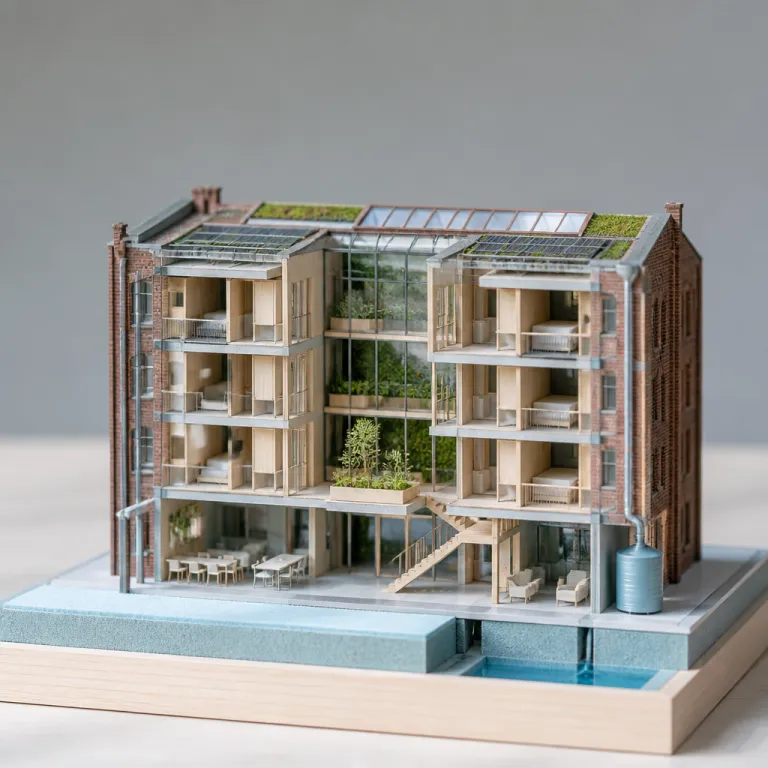
Why the greenest luxury stay is a heritage building reused
Choosing a heritage building eco-hotel adaptive reuse architecture stay changes how you think about luxury. When a historic hotel is created inside an existing building, the embodied carbon locked into stone, brick, and timber is preserved instead of being released through demolition and new construction. For eco conscious guests, that means every night in these hotels quietly supports a lower impact way to travel.
New construction often promises efficient systems yet hides a heavy carbon cost in concrete, steel, and glass. By contrast, adaptive reuse keeps the original structure, so the emissions from quarrying, transporting, and manufacturing materials were already spent long ago, and the modern design work focuses on careful upgrades rather than wholesale rebuilding. This is why many of the most forward looking historic hotels in America and Europe now frame their sustainability story around reuse rather than shiny technology alone.
Think of a former union station, a medical arts tower, or a river inn on the Napa River that has been transformed into a suite hotel with solar panels and heat recovery ventilation. The building already stands on a serviced site, so no new land is consumed, and the surrounding historic places keep their urban fabric intact. For couples booking a romantic escape, the emotional pull of sleeping in a hotel with real history often feels richer than staying in a generic modern block on the edge of town.
From station to suite: how adaptive reuse works in practice
Adaptive reuse is the architectural practice of turning an existing structure into a new function while respecting its character. In the context of heritage building eco-hotel adaptive reuse architecture, that might mean converting a disused high school, a junior high, or a former union station into a contemporary inn with efficient heating, greywater systems, and low energy lighting. The goal is to let guests feel the building’s history while enjoying the comfort of a modern suite hotel.
Across hotels America wide, you now find former civic buildings reborn as intimate properties with strong eco credentials. A classic example is the transformation of a school into what many travelers might casually call a boutique style hotel, where classrooms become suites and the gym becomes a restaurant, yet the corridors still echo with stories of earlier generations. Another is the conversion of a convento hotel in southern Europe, where cloisters frame a courtyard garden irrigated with recycled water and shaded by native trees.
These adaptive reuse hotels must navigate strict preservation codes and the national register of historic places in many regions. When a hotel is inducted into a register historic program or recognized as a hotel inducted into a local heritage scheme, every window replacement, insulation layer, or solar panel must respect the original architectural style. For travelers comparing options on ecohotelstay.com or reading about Japan’s eco hotel revolution where ryokan philosophy meets modern sustainability, the most interesting stays often sit at this intersection of regulation, creativity, and environmental ambition.
Architectural challenges: insulation, energy, and invisible technology
Retrofitting a historic building into an eco focused hotel is technically demanding. Thick masonry walls, ornate façades, and fragile timber beams rarely meet modern energy codes, so architects must weave new systems into old fabric without erasing the original character. This is where heritage building eco-hotel adaptive reuse architecture becomes a craft rather than a formula.
Insulation is the first challenge, because adding thick layers can damage façades or trap moisture in historic walls. Many reuse hotels instead rely on internal insulation, high performance windows, and smart ventilation that recovers heat while protecting delicate plasterwork and stone, creating a comfortable indoor climate for guests without heavy handed interventions. Energy systems follow the same logic, with ground source heat pumps, discreet solar arrays, and efficient controls hidden in basements or roof spaces rather than dominating the skyline.
Interior design must also balance history and sustainability, choosing materials that respect both. Guides such as rammed earth, reclaimed teak, and living walls in eco hotel interiors show how recycled finishes, low VOC paints, and salvaged timber can complement original beams, terrazzo floors, or medical arts tiles from an earlier era. When you walk into an atheneum suite in a converted civic building or a river inn along the Napa River, the tactile mix of old stone and modern textiles tells a richer story than any sustainability label.
Heritage narratives and the guest experience
Staying in a hotel created through adaptive reuse is not only about carbon savings. The emotional charge of sleeping in a former high school, junior high, or station building adds a narrative layer that many new hotels struggle to match. Couples often talk about feeling part of a longer story, especially when the property shares its history with care.
Some of the most memorable historic hotels in America are those where the past is woven into every touchpoint. A river inn that once served traders on the Napa River might now host a tasting menu built around local produce, while photographs in the lobby trace the building’s evolution from warehouse to inn to eco conscious suite hotel. In another city, a former medical arts tower may have treatment rooms reimagined as spa suites, with interpretive panels explaining how the building once served the community’s health needs.
When a property is inducted as an officially recognized historic hotel or listed on a national register, that status often reassures guests that the restoration respected both architectural integrity and community memory. Families returning year after year build their own layer of history on top of the original stories, turning reuse hotels into living archives of local life. For many travelers, this blend of comfort, culture, and conservation is what makes heritage building eco-hotel adaptive reuse architecture so compelling.
Planning, economics, and how to choose your stay
Behind every graceful heritage conversion lies a complex web of planning permissions, preservation codes, and financial decisions. Developers must weigh the cost of restoring a historic building against the expense of new construction, knowing that adaptive reuse can be cheaper in dense urban areas yet more demanding in structures with severe damage. When the numbers work, the reward is a hotel that commands strong rates while standing as a cultural landmark.
Properties listed on a national register or local register historic scheme may access tax incentives or grants, but they also face stricter rules on alterations. This can limit the size of new spa wings or rooftop pools, yet it often results in more thoughtful design, where each suite, corridor, and public space is carefully planned to respect the original style. For guests, that usually translates into fewer rooms, more generous volumes, and a sense that the building, not a corporate template, shaped the stay.
When choosing between hotels America wide, look for clear information about adaptive reuse, energy systems, and community engagement rather than vague green claims. A property that explains how it reused an original station concourse, preserved an inn’s timber frame, or transformed a school auditorium into an event space is usually more serious about sustainability than one that simply markets itself as a boutique style address. On ecohotelstay.com, we highlight heritage building eco-hotel adaptive reuse architecture projects where the family owners, architects, and local partners treat history as a resource to be cherished, not a backdrop to be themed.
FAQ
How is an eco-hotel in a heritage building more sustainable than a new build ?
An eco focused hotel created through adaptive reuse usually has a lower carbon footprint than a comparable new building because it preserves the embodied carbon already locked into the structure. Demolishing and rebuilding requires new concrete, steel, and glass, which generate significant emissions during extraction and manufacturing. By upgrading insulation, windows, and energy systems inside an existing shell, many historic hotels achieve strong efficiency without repeating that carbon cost.
Will a converted historic building feel as comfortable as a modern hotel ?
Well executed heritage building eco-hotel adaptive reuse architecture can feel just as comfortable as a contemporary property, and sometimes more so. Designers use internal insulation, high performance glazing, and advanced ventilation to create stable temperatures and good air quality while protecting original features. The result is often generous room volumes, thick walls that buffer noise, and suites with distinctive character instead of identical layouts.
How can I tell if a heritage hotel is genuinely eco friendly and not greenwashing ?
Look for specific, verifiable information rather than generic sustainability language. Serious reuse hotels explain their energy sources, water saving systems, waste reduction practices, and how they preserved or restored original architectural elements, sometimes referencing recognition by a national register or local heritage body. If a property shares data, certifications, and concrete examples of adaptive reuse decisions, it is usually more trustworthy than one relying on vague eco branding.
Are adaptive reuse heritage hotels more expensive to book ?
Rates at adaptive reuse properties vary widely, but many sit in the premium range because restoration is labour intensive and room counts are often lower. However, the value proposition includes not only comfort and service but also the experience of staying in a historic place with a carefully curated design. For couples planning a special trip, the combination of sustainability, narrative depth, and architectural quality can justify a slightly higher nightly rate.
What should I look for when booking a heritage eco-hotel for a romantic stay ?
Focus on how the property balances intimacy, sustainability, and sense of place. Check whether the hotel explains its adaptive reuse story, highlights original features in suites and public spaces, and details concrete eco measures such as renewable energy, local sourcing, and low impact materials. Reading in depth reviews on platforms dedicated to eco conscious stays can help you identify hotels where history, design, and environmental performance genuinely align.