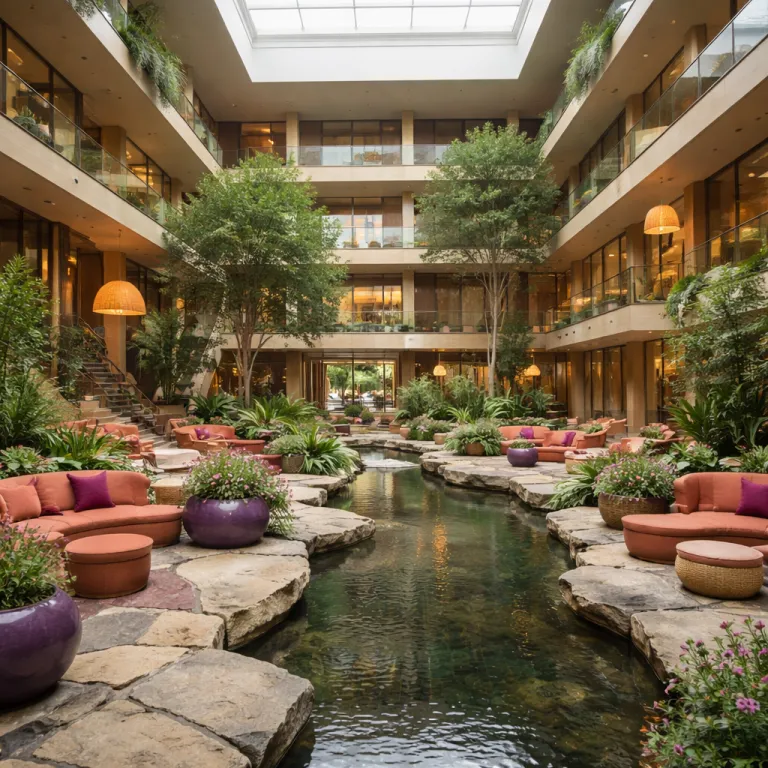
Biophilic hotel design as sensory architecture, not just décor
Biophilic hotel design is not a passing style trend; it is a science informed approach to reconnect guests with nature. In hospitality, biophilic design means using architecture, interior design, and resort planning to echo the natural environment in ways that measurably influence the nervous system. When you walk into a biophilic hotel lobby that feels instantly calming, you are sensing deliberate decisions about daylight, natural elements, and acoustic comfort working together.
At its core, biophilic design in hotels uses natural materials, plants, water, and nature inspired patterns to reduce stress and support healthier living. Research on biophilic environments, such as studies summarized by Terrapin Bright Green and the World Green Building Council, reports lower stress, improved cognitive performance, and fewer sick days in nature rich workplaces, and the same principles now guide serious hotel and resort design for wellness focused stays. For eco friendly luxury hotels, this design philosophy is less about a green marketing label and more about how every room, spa, and lobby space supports circadian rhythms and physiological comfort.
Hotel architects and interior designers now work with sustainability consultants to translate biophilic concepts into concrete guest experience benefits. They use architectural design software to model natural light, simulate airflow across a resort, and position living walls or planting to frame views of nature from each room. When you choose design hotels that apply biophilic principles rigorously, you are booking a house of hospitality where the interior, the lounge like social spaces, and even the spa circulation are tuned to how humans evolved to live in close contact with the natural world.
Circadian lighting, soundscapes, and the physiology of calm
The most ambitious biophilic hotel projects often start with circadian responsive lighting rather than decorative greenery. Human biology expects shifting natural light over a day, so advanced hotel lighting design now layers warm, low intensity light in the evening and brighter, cooler tones in the morning to mirror the natural environment. This kind of interior strategy helps reduce melatonin disruption, which means you fall asleep faster in your room and wake more refreshed for another day at the resort or in the city.
Biophilic hotel design also pays close attention to sound, because nature inspired acoustics are as powerful as visual cues. Designers use timber ceilings, fabric panels, and soft furnishings in the hotel lobby and spa to absorb harsh echoes while subtly amplifying natural elements like water features or garden breezes. When the lobby hum feels more like a forest clearing than a shopping mall, your nervous system registers safety. Industry analyses of biophilic environments, including work cited by Terrapin Bright Green and the International WELL Building Institute, suggest that nature based design strategies can reduce reported stress by around 15–20 % and increase satisfaction by roughly a similar margin, though exact figures vary by study and property (see Terrapin Bright Green, “The Economics of Biophilia,” 2012; IWBI, WELL Building Standard research digests).
Scent and touch complete this sensory architecture approach for eco friendly hotels. Natural materials such as stone, clay, and responsibly sourced timber in guest rooms and spa interiors feel cooler or warmer under bare feet than synthetic flooring, reminding your body of time spent in a real house or on a terrace. When these natural elements are combined with subtle botanical scents and views of plants or living walls from your suite, the guest experience becomes a full body immersion in nature rather than a themed décor exercise.
From tropical terraces to deep sea cooling: case studies that matter
Some of the most persuasive examples of biophilic hotel design come from urban hotels and remote island resorts that have rebuilt their architecture around nature. PARKROYAL COLLECTION Marina Bay in Singapore, for instance, uses layered green terraces, sky bridges, and a vast interior garden to create a nature inspired atrium that feels like a tropical valley carved into the city. According to the brand’s published sustainability communications, those same terraces and living walls are not just visual inspiration; they contribute to energy savings on the order of 20–30 % through natural ventilation and shading, demonstrating that sustainable design and guest comfort can align (figures reported in Pan Pacific Hotels Group sustainability briefings).
On Tetiaroa atoll in French Polynesia, The Brando resort shows how resort architecture and biophilic design can transform an entire island scale experience. The property uses a seawater air conditioning system, known as SWAC, that draws cold water from the deep ocean to cool interiors. Technical briefs released by the resort report that this system contributes to an energy reduction of up to 80 % compared with conventional cooling (as outlined in The Brando’s published environmental impact documentation). Villas open directly to the natural environment, with wide sliding doors, outdoor living decks, and bathrooms that blur the line between house and garden, so guests feel wrapped in nature while the resort remains quietly eco friendly.
Across these hotels, architectural decisions shape every lobby, spa, and room to keep guests close to nature without sacrificing luxury. Tropical planting palettes, water features, and organic patterns in interior finishes create a coherent biophilic language that runs from the hotel lobby to the most private suites. For solo travelers comparing design hotels, these case studies show how serious biophilic projects turn natural elements into both emotional comfort and measurable reductions in energy demand.
How biophilic interiors change the way you feel and stay
When biophilic hotel design is done well, you feel the difference within minutes, even if you do not have the vocabulary for it. Views of nature, access to outdoor terraces, and generous natural light in your room all contribute to lower heart rates and calmer breathing, which is why biophilic design is now central to wellness focused hotels and spas. Reviews of biophilic environments compiled by organizations such as the World Green Building Council and the WELL Building Standard indicate meaningful reductions in perceived stress and notable gains in comfort and satisfaction, and hotels are translating those patterns into longer stays and stronger review scores.
For solo travelers, this shift in interior design and resort architecture changes how you use a property. A lobby with living walls, daylight, and comfortable lounge seating invites you to linger with a book instead of escaping to a café outside, which subtly increases your connection with the hotel as a temporary house. In spa areas, nature inspired materials, plants, and water sounds create a cocoon that supports deeper relaxation, turning a simple treatment into a more holistic guest experience anchored in nature.
These biophilic interiors also influence social behavior and perceived safety in hotels. When circulation routes are lined with plants, natural elements, and warm lighting, corridors feel less like anonymous tunnels and more like garden paths, which matters when you travel alone. Over time, design choices that prioritize a biophilic concept tend to generate higher loyalty, because guests remember how a place made their bodies feel rather than just how the architecture looked in photos.
Choosing biophilic hotels on a luxury eco booking platform
For eco conscious luxury travelers, the challenge is separating genuine biophilic hotel design from greenwashed marketing language. On a curated booking platform for eco friendly design hotels, start by looking for clear descriptions of daylight strategies, resort layout diagrams, and interior design details that explain how plants, water, and materials support wellbeing. Phrases such as “biophilic design integrated into architecture” or “nature inspired interiors with living walls and natural ventilation” usually signal that hotel teams have gone beyond surface level décor.
Photography can also reveal whether a hotel or resort is using biophilic strategies meaningfully. Look for images where the hotel lobby opens to gardens, where the spa and lounge like communal areas frame views of nature rather than screens, and where rooms show real plants, operable windows, and natural elements like timber, stone, or clay. Articles such as the ecohotelstay.com feature on a refined ecoluxury stay on Tulum beach illustrate how serious properties weave architecture, landscape, and interior design into one continuous natural environment for guests.
Finally, read guest reviews with a design focused lens to understand how biophilic choices translate into lived experience. Comments about sleeping better, spending more time in shared spaces, or feeling unexpectedly calm in a tropical city often point to successful nature based strategies in both singular room layouts and larger resort architecture. As more than 70 % of luxury travelers now prioritize sustainability when booking hotels, according to recent travel industry surveys reported by major hospitality consultancies, properties that treat biophilic hotel design as core infrastructure rather than as decoration will increasingly shape where discerning solo explorers choose to stay.
FAQ
What is biophilic hotel design ?
Biophilic hotel design means creating hotels and resorts that integrate natural elements such as plants, water, daylight, and organic materials into architecture and interiors to enhance guest wellbeing. It goes beyond decoration by using spatial planning, interior design, and resort architecture to reconnect guests with nature through light, sound, scent, and texture. The goal is to offer a more restorative guest experience while supporting sustainable and eco friendly operations.
How do hotels implement biophilic design in practice ?
Hotels implement biophilic design by maximizing natural light, using materials like timber and stone, and incorporating plants or living walls into lobbies, rooms, and spa areas. Designers also create nature inspired views, use patterns that echo landscapes, and plan ventilation to bring fresh air and selected outdoor sounds into interiors. These choices are supported by tools such as architectural design software and indoor landscaping techniques to ensure that every room and lobby supports healthier living.
Why is biophilic design important for guest wellbeing ?
Biophilic design matters because humans evolved in close contact with nature, so our bodies respond positively to natural environments even inside a hotel. Studies on biophilic environments, including research referenced by Terrapin Bright Green and the World Green Building Council, associate access to daylight, greenery, and calming natural elements with reduced stress levels, improved mood, and higher satisfaction. In hospitality, this translates into better sleep, longer stays, and more positive reviews for hotels that invest in serious biophilic design.
How can I identify a genuine biophilic hotel when booking ?
To identify a genuine biophilic hotel, look for detailed descriptions of architecture, interior design, and sustainability strategies rather than vague references to greenery. Photos should show real plants, outdoor connections, and natural materials in rooms, lobbies, and spa spaces, not just a single green wall. Reviews that mention feeling calmer, sleeping better, or enjoying shared spaces like the hotel lobby and lounge style gathering areas are strong indicators that biophilic design is working as intended.
Are biophilic hotels always more sustainable than conventional hotels ?
Biophilic hotels are often more sustainable, but the degree varies depending on how deeply eco friendly systems are integrated into the design concept. When resort architecture uses natural ventilation, shading, and efficient cooling systems such as SWAC alongside biophilic interiors, properties can significantly reduce energy use while improving guest comfort. The most credible design hotels publish clear data on energy savings, water use, and materials, showing that their nature inspired architecture supports both the environment and the guest experience.