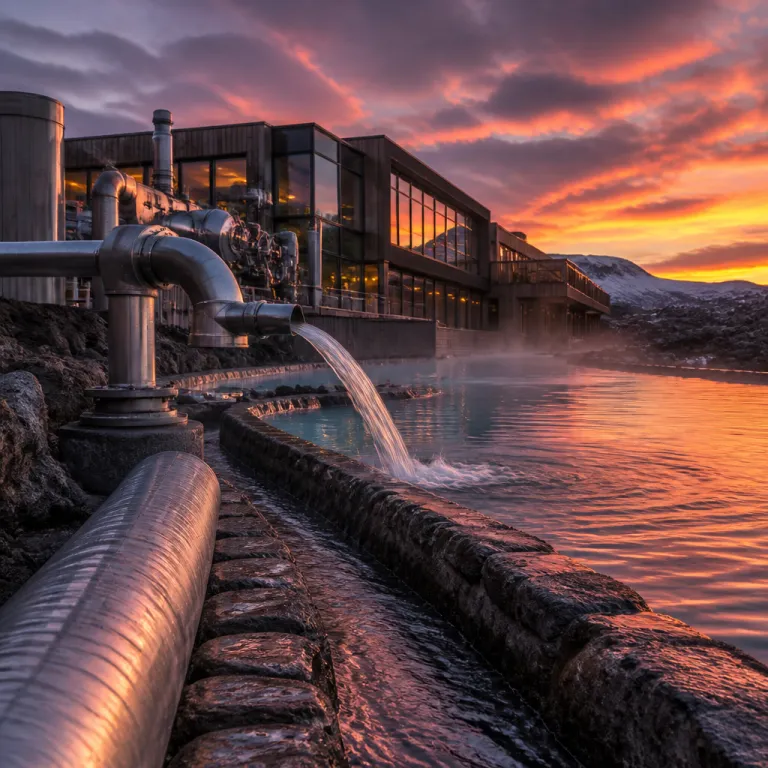
Iceland geothermal eco-hotel luxury redefined by volcanic energy
Iceland geothermal eco-hotel luxury is not a marketing slogan ; it is the operating manual for a country where heat rises straight from the earth. In Iceland, almost every luxury hotel now leans on geothermal power for heating, hot water, and even electricity, which means your indulgent stay is quietly underwritten by clean energy. That makes Iceland one of the rare destinations where the line between eco conscience and high comfort almost disappears.
Across Iceland, hotels use geothermal systems to warm rooms, feed outdoor hot tubs, and supply entire spa complexes with naturally hot mineral water. This is what defines the new generation of hotels in Iceland, from intimate adventure properties to larger spa resorts near Reykjavík and along the south coast. When you check into these hotels, you are effectively checking into a live demonstration of how volcanic energy can support low impact hospitality at scale.
The main appeal of Iceland geothermal eco-hotel luxury lies in how seamlessly it integrates with the landscape. You soak in geothermal hot pools while watching northern lights ripple above, or you wake to views of a glacier lagoon glowing pale blue at dawn. For travelers planning a trip focused on nature, this combination of geothermal comfort and raw scenery makes Iceland one of the best countries for energy positive stays.
How geothermal infrastructure shapes every aspect of your stay
Behind the scenes, seven major geothermal power plants feed Iceland’s grid, and around 66 % of the country’s energy comes from geothermal sources according to the National Energy Authority of Iceland. That statistic is not abstract ; it explains why your hotel in Iceland can keep outdoor hot tubs steaming in sub zero winds without burning fossil fuels. It also explains why many hotels in Iceland price their rooms competitively despite energy intensive spa facilities, because heating costs are relatively stable and local.
In Reykjavík, a hotel such as a typical high end hotel Reykjavík property will channel geothermal hot water through radiators, underfloor systems, and spa pools. The same logic applies in rural south Iceland, where an adventure hotel might use geothermal hot boreholes to heat both rooms and communal tubs facing the mountains. When you check availability and compare the price of different hotels Iceland wide, you are indirectly comparing how each property taps into this shared geothermal infrastructure.
Guests often ask what a geothermal hotel actually is, and the most accurate answer remains simple : “A hotel that uses geothermal energy for heating and amenities.” Another common question is whether these hotels are genuinely sustainable, and the verified response is equally direct : “Yes, they utilize renewable energy, reducing carbon footprint.” Those two statements, taken together, explain why Iceland best exemplifies how geothermal hot resources can support both luxury and responsibility.
Black Sand Hotel and the rise of lava stone eco luxury
The opening of Black Sand Hotel marked a turning point for Iceland geothermal eco-hotel luxury. Built with lava stone, reclaimed timber, and locally sourced materials, its 79 rooms show how Nordic minimalism can feel warm rather than austere. Dark stone, wool, and timber frame views of the south coast, while geothermal systems quietly heat every surface you touch.
At Black Sand Hotel, the spa is not an add on ; it is the core of the experience, with geothermal hot pools, cold water immersion tubs, and steam rooms powered by volcanic heat. Guests move between hot tubs and icy plunge pools, then step into treatment rooms where therapists use Icelandic seaweed, local salts, and glacial clay. This choreography of hot and cold reflects a wider “cold luxury” trend, where travelers seek invigorating wellness rather than languid pampering.
The hotel’s architecture uses lava stone walls to retain heat, reducing the energy required to keep rooms and public spaces comfortable. Because the energy itself is geothermal, the overall footprint remains low even when the spa runs at full capacity. For travelers comparing the best hotels in south Iceland, Black Sand Hotel stands out as a property where the design, the spa, and the energy source all speak the same volcanic language.
From Reykjavík to the south coast : where to stay for geothermal immersion
Choosing where to stay in Iceland depends on how you want to balance city culture, spa time, and wilderness. A hotel Reykjavík side gives you easy access to restaurants, galleries, and day trips to the Golden Circle, while still offering geothermal hot pools and modern spa treatments. In contrast, a retreat on the south coast places you closer to black sand beaches, waterfalls, and the glacier lagoon, with fewer distractions and darker skies for northern lights viewing.
ION Adventure Hotel, for example, sits near the Golden Circle and uses geothermal energy for heating, hot water, and its striking outdoor hot tub that cantilevers over a lava field. This adventure hotel pairs minimalist rooms with big windows, so you can watch northern lights from bed or from the hot tubs on clear nights. Hoffell Guesthouse, farther east, offers geothermal hot tubs facing the mountains, giving guests a simple but powerful way to feel Iceland’s geothermal hot pulse after a day on the ice.
If you are comparing Iceland best options for a multi stop trip, consider pairing a Reykjavík stay with a south Iceland property and a night near a glacier lagoon. That combination gives you urban comfort, adventure hotel energy, and remote silence in a single itinerary. For travelers who enjoy curated lists of family friendly eco stays, resources such as guides to the most popular family resorts in the Canary Islands can help you benchmark service levels before you even check availability in Iceland.
Blue Lagoon, Retreat Blue experiences, and the new spa geography
No discussion of Iceland geothermal eco-hotel luxury is complete without the Blue Lagoon. This milky blue lagoon, fed by geothermal hot water from a nearby power plant, has become a global shorthand for Icelandic wellness. Around it, a cluster of hotels, including the high end Retreat Blue property, has turned a former industrial byproduct into a refined spa destination.
At the Retreat Blue property by the Blue Lagoon, guests move between private lagoon sections, subterranean spa spaces, and quiet rooms carved into volcanic rock. The spa offers mineral rich treatments that use silica, algae, and minerals from the lagoon itself, turning geothermal water into a full sensory ritual. Rooms are designed with low lighting, dark stone, and wool textiles, creating a cocoon like atmosphere that contrasts with the bright lagoon outside.
For travelers, the key is to check availability early and compare the price of lagoon facing rooms versus standard categories, because demand is high year round. Many visitors pair a night at the Retreat Blue property with a stay at a hotel Reykjavík side, using the lagoon as a soft landing after a long flight. If you are building a wider wellness focused travel calendar, you might compare this Icelandic spa experience with restorative wellness escapes in other Atlantic islands, such as the luxury wellness hotels in the Canary Islands, to understand how different regions interpret geothermal and marine resources.
Beyond the Blue Lagoon : glacier lagoon, frost and fire, and regional spas
While the Blue Lagoon dominates headlines, Iceland’s spa geography is far more diverse. On the south coast, smaller hotels and guesthouses tap local hot springs to feed outdoor tubs with views of the Atlantic or nearby glaciers. In east Iceland, properties near the glacier lagoon offer simple hot tubs where you can watch icebergs drift while soaking in geothermal hot water.
Travelers interested in more intimate settings often look for frost and fire style experiences, where the contrast between icy air and steaming pools is the main attraction. These frost fire sensations are strongest in winter, when snow piles around the tubs and the sky stays dark enough for northern lights to appear early. In such settings, the spa becomes less about elaborate treatments and more about elemental immersion in hot, cold, light, and darkness.
When comparing hotels Iceland wide, pay attention to how each property describes its spa water source. Some hotels rely entirely on geothermal hot springs, while others blend geothermal water with standard heated supplies, which can affect both the feel of the water and the sustainability story. For many eco conscious travelers, the most compelling Iceland geothermal eco-hotel luxury experiences are those where the spa, the tubs, and the surrounding landscape form a single, coherent narrative.
ION Adventure Hotel, Hotel Rangá, and chasing northern lights in comfort
ION Adventure Hotel has become a reference point for Iceland geothermal eco-hotel luxury, especially for solo travelers who want design forward spaces and easy access to adventure. Perched near the Golden Circle, this adventure hotel uses geothermal energy for heating and hot water, while its dramatic architecture frames views of moss covered lava fields. The outdoor hot tub and spa area feel like a front row seat to Iceland’s shifting weather and light.
Farther along the south coast, Hotel Rangá has built its reputation on northern lights viewing and warm, personal service. The hotel’s outdoor hot tubs face open skies, giving guests a comfortable vantage point for watching northern lights dance above the countryside. Many travelers consider Hotel Rangá one of the best hotels in south Iceland for aurora hunting, because it combines dark skies, geothermal hot water, and staff who will wake you when the lights appear.
When planning a trip focused on northern lights, timing and location matter as much as the hotel itself. Aim for the darker months, avoid full moon periods, and choose hotels away from Reykjavík’s light pollution, ideally along the south coast or near rural areas. As you check availability and compare the price of different rooms, look for properties that explicitly mention northern lights wake up calls, outdoor hot tubs, and easy access to clear horizons.
Rooms, treatments, and the details that define Icelandic eco luxury
Inside Iceland’s leading geothermal hotels, rooms tend to follow a restrained Nordic palette. Expect wool throws, timber headboards, stone floors, and large windows that frame mountains, lava fields, or the sea. This simplicity is deliberate, allowing the drama of Icelandic landscapes to take center stage while keeping materials local and durable.
Spa treatments often draw on Icelandic ingredients such as seaweed, glacial clay, birch, and Arctic thyme. At properties near the Blue Lagoon or other geothermal pools, therapists use mineral rich muds and algae in facials and body wraps, turning the lagoon’s byproducts into high value wellness rituals. Even in smaller adventure hotel settings, you will often find massage rooms where oils are infused with local herbs, and where the pre treatment ritual involves a long soak in a geothermal hot tub.
For travelers comparing Iceland best options, it is worth reading how each hotel describes its rooms and spa philosophy rather than focusing only on the headline lagoon or hot tubs. Some hotels emphasize quiet, meditative spaces and long, slow treatments, while others lean into social pools and quick, energizing rituals. Matching these details to your own travel style is what turns a standard trip into a genuinely restorative stay.
Planning your Iceland geothermal eco-hotel luxury trip
Seasonality shapes every Iceland itinerary, especially when geothermal experiences and northern lights are priorities. Winter brings long nights, higher chances of seeing northern lights, and the most dramatic frost fire contrasts between hot tubs and icy air. Summer offers milder weather, easier driving, and long days for exploring the Golden Circle, the south coast, and remote glacier lagoon areas.
When you start to check availability, remember that Iceland’s most sought after hotels often sell out months ahead, particularly around holiday periods and peak aurora seasons. Prices can feel high at first glance, but when you factor in geothermal heating, included spa access, and the cost of operating in remote landscapes, the value proposition becomes clearer. To stretch your budget, consider mixing one or two nights at a top tier spa property with several nights at simpler hotels that still offer geothermal hot tubs and strong access to nature.
Solo travelers and eco conscious guests should also think about how Iceland fits into a wider pattern of low impact, high comfort journeys. You might pair an Iceland trip with a later stay at large kids club eco resorts in the Maldives if you travel with family, using guides to the largest kids clubs for unforgettable family escapes as planning tools. In every case, the goal is the same : to choose hotels where the energy comes from the landscape, the menu comes from nearby producers, and the spa feels like an authentic extension of the place rather than a generic add on.
Practical tips : transport, packing, and booking strategy
Reykjavík remains the main gateway, and many travelers choose to spend the first or last night at a hotel Reykjavík side to recover from flights. Renting a car gives you maximum flexibility to reach south Iceland, Hotel Rangá, ION Adventure Hotel, and more remote hotels Iceland wide. If you prefer not to drive, look for packages that combine transfers, Golden Circle tours, and spa access, but be aware that these can limit your freedom to linger in places you love.
Packing for Iceland geothermal eco-hotel luxury means thinking in layers. Bring swimwear for hot tubs and lagoons, a warm hat for walking between rooms and spa areas, and sturdy shoes for exploring lava fields or glacier lagoon viewpoints. Many hotels provide robes and slippers for moving between rooms and spa facilities, but it is worth checking in advance so you can adjust your luggage accordingly.
Finally, always check seasonal weather forecasts and road conditions before setting out, especially in winter when storms can close sections of the south coast. Build some flexibility into your itinerary so you can shift nights between hotels if needed, and keep an eye on aurora forecasts if northern lights are a priority. With thoughtful planning, your Iceland trip can balance geothermal indulgence, outdoor adventure, and a clear conscience about the energy that powers your stay.
Key figures behind Iceland’s geothermal hotel revolution
- Iceland sources around 66 % of its total energy from geothermal power, according to the National Energy Authority of Iceland, which allows hotels to run extensive spa and heating systems with a far lower carbon footprint than fossil fuel based destinations.
- Seven major geothermal power plants operate across Iceland, providing a stable, renewable energy supply that underpins everything from hotel heating to the iconic Blue Lagoon’s warm waters.
- Properties such as ION Adventure Hotel and the Retreat Blue Lagoon use geothermal energy not only for heating rooms and pools but also for spa treatments that rely on mineral rich waters and muds drawn directly from geothermal sources.
- High demand for Iceland’s best hotels during peak northern lights seasons means that many geothermal spa properties reach full occupancy months in advance, so early booking is essential for securing preferred room types and prices.
FAQ about Iceland’s geothermal luxury hotels
What is a geothermal hotel in Iceland ?
A geothermal hotel in Iceland is a property that uses naturally heated water and steam from underground reservoirs for heating, hot water, and often electricity. This geothermal energy runs radiators, underfloor systems, and spa facilities, allowing hotels to maintain warm rooms and hot tubs even in harsh weather. Because the energy source is renewable, these hotels can offer high levels of comfort with a relatively low environmental impact.
Are geothermal hotels in Iceland environmentally friendly ?
Geothermal hotels in Iceland are generally considered environmentally friendly because they rely on renewable energy rather than fossil fuels. By tapping into geothermal reservoirs, hotels reduce their carbon footprint while still providing extensive spa facilities, heated pools, and comfortable rooms. The overall impact also depends on building materials, water use, and sourcing of food, so the most responsible properties combine geothermal power with broader sustainability practices.
Where can I find geothermal hotels in Iceland ?
You can find geothermal hotels across Iceland, from Reykjavík and the Reykjanes Peninsula to the Golden Circle, south coast, and more remote regions. Well known clusters include the Blue Lagoon area near the airport, the ION Adventure Hotel region close to Þingvellir, and rural properties such as Hotel Rangá along the south coast. Many guesthouses and smaller hotels also offer geothermal hot tubs fed by local springs, especially in areas with visible steam vents and hot pools.
How much does it cost to stay in an Icelandic geothermal luxury hotel ?
Prices for Icelandic geothermal luxury hotels vary widely depending on location, season, and room type. High end spa properties near the Blue Lagoon or in prime northern lights areas can command premium rates, especially during peak winter and holiday periods. More modest adventure hotels and guesthouses with geothermal hot tubs often offer lower prices, so mixing different categories within one trip can help manage your overall budget.
When is the best time to visit Iceland for geothermal spa experiences and northern lights ?
Geothermal spa experiences are enjoyable year round, but many travelers prefer the colder months for the dramatic contrast between icy air and hot water. For northern lights, the best time is during the darker months when nights are long and skies can be clear, typically from late autumn to early spring. If you want both comfortable driving conditions and spa time, late spring and early autumn offer a good balance, though aurora sightings are less predictable than in mid winter.