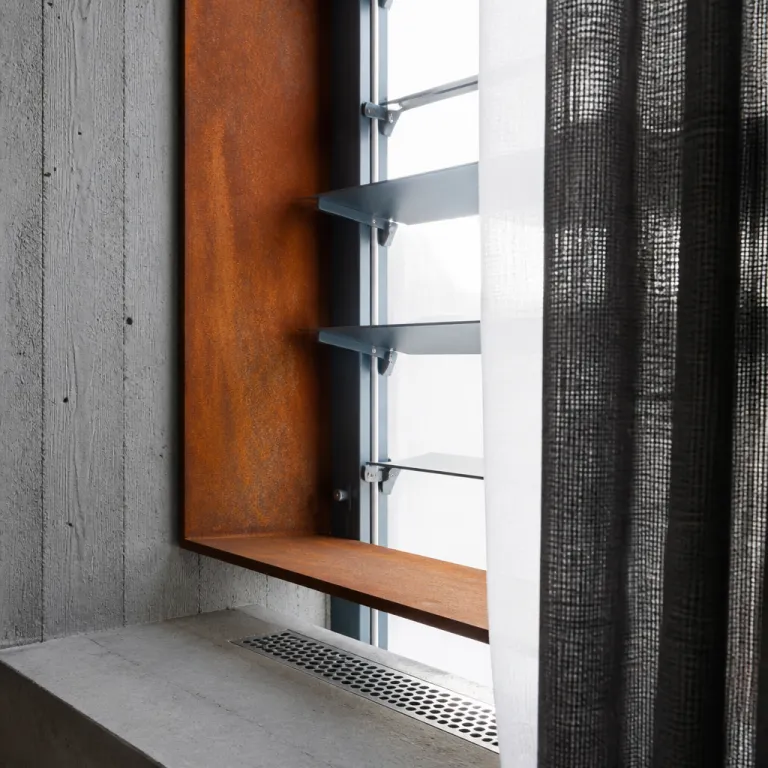
How circadian hotel design turns architecture into a wellness tool
Eco friendly hotels are moving beyond low energy light bulbs and recycled paper. The most forward thinking properties now treat architecture itself as a wellness program rather than a neutral backdrop. In this new generation of circadian hotel design and regenerative eco-architecture, every line of the building, every surface and every shaft of natural light is calibrated to your internal clock. For couples used to conventional hotels, the difference in guest experience feels subtle at first yet becomes unmistakable after a single night of deep, unbroken sleep.

When architecture becomes a circadian wellness tool
At the core of this movement sits circadian lighting, a human centric lighting design strategy that shifts colour temperature and intensity to mirror the local sky. As one verified definition puts it, “What is circadian lighting? Lighting that aligns with human biological rhythms.” Peer reviewed studies, such as those by the Lighting Research Center at Rensselaer Polytechnic Institute (RPI LRC), show that exposure to bright, blue enriched light in the morning and warmer light in the evening can stabilise sleep wake cycles and improve alertness. In practice, this means warm, low lighting in the hotel interiors before bed, brighter cooler lighting in shared hospitality spaces during breakfast, and carefully tuned designs that respect darkness so melatonin can rise naturally.
Architects, lighting designers and environmental engineers now collaborate from the earliest design phase to embed these circadian elements into hotel design. They use simulation software and energy modelling to position windows so natural lighting does most of the work, then add smart systems only where artificial lighting is truly needed. The WELL Building Standard and LEED daylighting credits have helped formalise this approach, encouraging hotels to track metrics such as daylight autonomy and glare control. The result is a family of hotel designs where sustainable design, guest comfort and energy savings are no longer competing priorities but mutually reinforcing parts of one coherent vision.
Light, shadow, and the choreography of natural airflow
For eco conscious couples, the most luxurious amenity in hotels is often not a spa but clean air and silence. Environmental engineers working on circadian hotel design and low impact architecture treat air quality as a primary design brief, not a technical afterthought hidden in the ceiling. They map prevailing winds, humidity and temperature to shape biophilic environments where natural ventilation can replace or significantly reduce mechanical air conditioning, often targeting air changes per hour (ACH) figures that meet or exceed ASHRAE comfort guidelines.
Natural ventilation works best when architecture and interior design are planned together, with shaded outdoor spaces, deep overhangs and operable windows guiding breezes through the hotel. In many heritage properties that have been transformed into sustainable retreats, architects use thick stone walls and cross ventilation instead of sealed façades and constant cooling; this approach is explored in depth in our guide to repair over replacement in eco hotels. These hotel designs show that circadian lighting and natural airflow can coexist beautifully, with shutters and screens modulating both light and air throughout the day.
There are trade offs, of course, especially in tropical climates where humidity challenges even the best sustainable design intentions. Some eco friendly hotels adopt a hybrid model, using natural elements such as courtyards and planted atria to pre cool air before it reaches guest rooms, then adding efficient systems only at peak heat. At the Six Senses Ninh Van Bay in Vietnam, for example, villas are oriented for cross ventilation and use deep roof overhangs to reduce solar gain, allowing many guests to rely on fans and natural breezes for much of the day. When done well, this choreography of light, shadow and air quality creates a guest experience that feels both sensorially rich and quietly restorative.
Biophilic interiors and the quiet power of natural materials
Step into a serious biophilic hotel and you feel your shoulders drop before you reach the reception desk. This is not an accident; it is the result of biophilic design principles applied with rigour, where natural materials, plants and carefully framed views of nature are treated as essential elements rather than decoration. In circadian hotel design and eco-conscious architecture, these biophilic environments are calibrated to support your nervous system from morning light to evening dimness.
Design teams draw on research showing that “How does natural light affect sleep? It regulates melatonin production, influencing sleep cycles.” Clinical work from institutions such as the University of Colorado Boulder has found that a week of camping with natural light exposure can reset circadian timing by up to two hours (UCB study), underscoring how powerful daylight patterns can be. Designers then layer natural light with tactile materials such as stone, clay plaster and responsibly sourced timber, creating interiors that feel grounded and breathable. At coastal retreats like Sanará Tulum and Lula Tulum, profiled in our detailed review of this refined ecoluxury stay on Tulum beach, you see this thinking in action through open air suites, woven screens and nature inspired palettes that shift gently with the sun.
Living walls and dense clusters of indoor plants are used not just for Instagram moments but to support air quality and acoustic comfort in shared spaces. Some properties experiment with a modular design pod concept, where compact wellness cabins use natural elements and circadian lighting to create intensely restorative micro spaces within larger hotels. At the 1 Hotel Brooklyn Bridge in New York, for instance, reclaimed timber and concrete are combined with over 20,000 plants, while durable finishes are chosen for lifespans of several decades to reduce replacement cycles. When these designs are aligned with sustainability goals, the result is a hospitality model where the guest experience, environmental performance and long term durability of materials all reinforce one another.
Scent, sound, and the sensory layers of sustainable design
Luxury hospitality has long relied on signature scents, yet many eco friendly hotels are quietly rewriting that playbook. Instead of synthetic diffusers, architects and interior design teams now work with local botanists and perfumers to use real plants, resins and woods as natural elements in the sensory landscape. In circadian hotel design and holistic eco-architecture, this olfactory layer is timed with light and airflow so the guest experience feels coherent rather than overwhelming.
Biophilic design in these hotels extends beyond greenery into soundscapes shaped by architecture and materials. Rough stone, timber ceilings and soft textiles absorb noise, while courtyards and water features add a low, constant hush that supports circadian rhythms by signalling safety and calm. Lighting design is kept deliberately understated in guest rooms, with circadian lighting scenes that dim gradually and allow natural light to take over at dawn, reducing the jolt of alarms. Studies on hospital patients and office workers have shown that such gradual light transitions can ease waking and improve perceived restfulness, a lesson that high end eco hotels are now adapting.
Some properties collaborate with studios such as Moser Associates or similar hospitality specialists to choreograph these sensory episodes throughout the day. A morning episode might combine bright natural lighting, fresh air and herbal aromas from nearby gardens, while an evening episode leans on warm light, quieter acoustics and the scent of local woods. When these elements are aligned with sustainable design choices, they reduce the need for energy intensive systems and synthetic products, while adding a layer of emotional resonance that couples remember long after checkout.
Why architecture as wellness is good business for eco hotels
For owners and operators, the shift toward circadian hotel design and wellness focused eco-architecture is not just an aesthetic or ethical choice. Energy modelling consistently shows that thoughtful daylight optimisation can cut lighting energy use by around 20 %, a figure echoed in case studies from the U.S. Department of Energy and the International Energy Agency. As one evidence based answer notes, “Why use sustainable materials in hotels? To reduce environmental impact and promote health.”
When hotel design integrates natural lighting, passive cooling and durable natural materials from the outset, maintenance costs and system complexity fall over the building’s lifespan. At the Proximity Hotel in North Carolina, for example, high performance glazing, extensive daylighting and efficient systems have contributed to roughly 39 % less energy use than a typical U.S. hotel of similar size, while water use has been cut by about 34 % (Proximity case study). Couples who choose these hotels often stay longer, spend more time in on site restaurants and bars, and respond positively to transparent sustainability narratives; our feature on garden to plate eco hotel dining shows how architecture, menus and landscapes can work as one story. This alignment of sustainability and hospitality also strengthens staff pride, which subtly but powerfully shapes the guest experience in every interaction.
For travellers browsing premium eco friendly hotels on platforms such as ecohotelstay.com, the most reliable signals are often in the plans rather than the slogans. Look for hotel designs that prioritise biophilic environments, generous natural light, living walls, and clear explanations of air quality strategies. When architecture, interiors and lighting design are treated as one integrated wellness system, the result is a biophilic hotel where sustainability is not a marketing episode but the structure that holds your stay together.
FAQ
What is circadian lighting in hotels and why does it matter ?
Circadian lighting in hotels is a lighting design approach that changes colour temperature and intensity across the day to align with human biological rhythms. It supports healthier sleep by mimicking the natural progression of daylight, from bright cooler tones in the morning to warm dim light in the evening. In eco friendly hotels, circadian lighting also reduces energy use by working in tandem with natural light rather than competing with it.
How does natural light improve sleep and overall guest wellbeing ?
Natural light helps regulate melatonin, the hormone that governs sleep wake cycles, which is why exposure to morning light can make it easier to fall asleep at night. In hotels designed around circadian principles, large windows, skylights and carefully oriented spaces ensure that guests receive balanced daylight without glare. This combination of natural lighting and supportive interior design often leads to deeper rest, better mood and a more memorable guest experience.
What should I look for when choosing an eco hotel focused on wellness ?
When booking, look for clear information about sustainable design strategies such as biophilic design, natural ventilation and the use of natural materials. Properties that explain how they manage air quality, daylight and noise control usually take guest wellbeing seriously rather than relying on greenwashed labels. Certifications can help, but detailed descriptions of architecture, interiors and operations are stronger indicators of a genuinely wellness oriented hotel.
Are natural ventilation and reduced air conditioning compatible with luxury comfort ?
Natural ventilation can absolutely coexist with luxury, provided the architecture is carefully planned to manage heat, humidity and noise. Many high end eco hotels use a hybrid model, combining cross ventilation, shading and thermal mass with efficient cooling systems for the hottest hours. Guests benefit from fresher air, quieter rooms and a closer connection to nature, without sacrificing comfort during more extreme weather.
Why do eco hotels invest in biophilic interiors and living walls ?
Biophilic interiors and living walls bring nature into indoor spaces, which has been linked to reduced stress, improved mood and higher perceived comfort. In hotels, these natural elements also help regulate temperature, absorb sound and filter certain pollutants, supporting better air quality. For couples, the result is a stay that feels both visually calming and physically restorative, reinforcing the value of choosing a thoughtfully designed eco property.
Key references
- Lighting Research Center, Rensselaer Polytechnic Institute – peer reviewed research on circadian lighting and alertness.
- University of Colorado Boulder – field study on camping, natural light exposure and circadian timing shifts.
- Proximity Hotel, North Carolina – published performance data on energy and water savings in a LEED Platinum hotel.