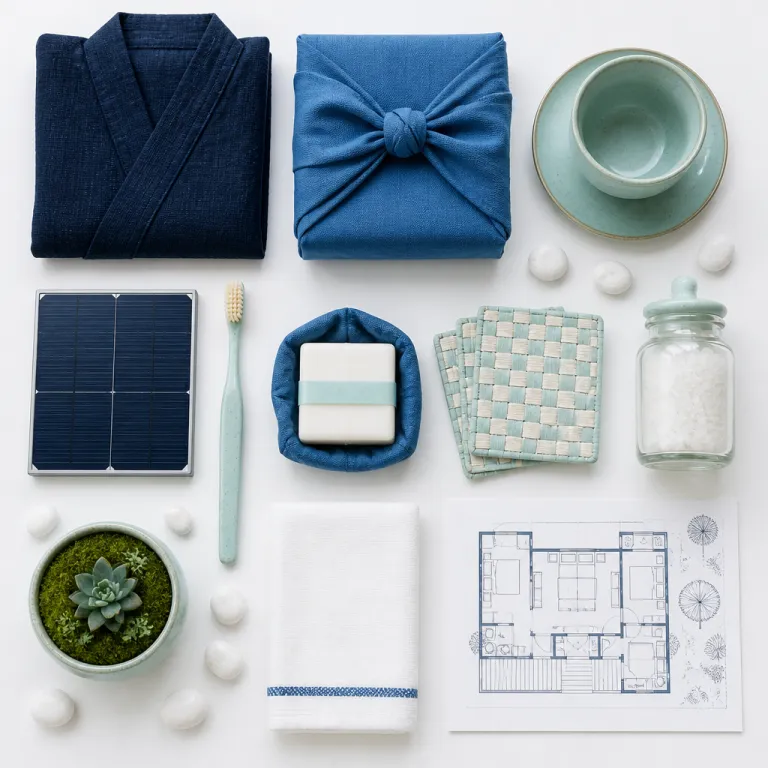
Eco-hotel Japan ryokan sustainable luxury reimagined
Japan is redefining what an eco-hotel can be for luxury travelers. The phrase eco-hotel Japan ryokan sustainable luxury 2026 captures a movement where ancestral rituals meet carbon accounting and biophilic design. For couples planning a stay in Japan, this new generation of hotels and ryokans turns sustainable travel into a quietly indulgent experience that still feels unmistakably Japanese.
At its best, an eco-hotel in Japan does not feel experimental; it feels like the natural evolution of traditional Japanese hospitality shaped by centuries of low impact living. The ryokan model, with tatami rooms, sliding shoji screens and shared onsen baths, already embeds principles that Western eco friendly hotels are still learning to apply consistently. When you stay in these Japanese inns, you feel how sustainable living can be both deeply comforting and architecturally refined, rather than a checklist of green features.
Across the country, from Kyoto to a remote mountain prefecture, architects are using local timber, reclaimed stone and natural plasters to create accommodation that breathes with the surrounding nature. This is where eco-hotel Japan ryokan sustainable luxury 2026 becomes more than a search term and turns into a design philosophy that respects both climate targets and cultural memory. For couples who travel Japan to reconnect, the most memorable stays are often those where the building itself tells a story about the land and the community that maintains it.
Ryokan heritage as a blueprint for low impact design
The traditional Japanese ryokan offers a sustainability template that predates the modern eco-hotel movement. Communal onsen bathing reduces water use compared with dozens of private hot tubs, while seasonal kaiseki menus are engineered to minimise waste by using every part of local ingredients. When you choose to stay in Japanese inns that still follow these rhythms, you are stepping into a system designed for low impact comfort rather than retrofitted efficiency.
Architecturally, classic ryokans rely on timber frames, paper screens and raised floors that encourage natural ventilation. This approach, refined in cities like Kyoto and across every prefecture, reduces the need for heavy concrete and mechanical cooling, which in turn lowers embodied carbon and operational energy. In many eco friendly hotels that draw on this heritage, you will notice how open air engawa corridors and deep eaves keep interiors cool without aggressive air conditioning, even during humid summers.
Modern eco-hotel Japan ryokan sustainable luxury 2026 projects are not copying the past; they are translating it. Designers are integrating solar panels into tiled roofs, adding water recycling systems behind clay walls and specifying non toxic finishes that respect both guests and staff. When you travel through Japan and compare stays, the most convincing sustainable resort properties are usually those where the technology disappears into the quiet geometry of traditional Japanese architecture and feels like an extension of long standing craft.
1 Hotel Tokyo and the rise of vertical biophilic luxury
In Tokyo, the eco-hotel Japan ryokan sustainable luxury 2026 story reaches the skyline. 1 Hotel Tokyo, occupying the upper floors of the Akasaka Trust Tower, has achieved a top CASBEE environmental certification while positioning itself as a nature focused urban retreat. For couples who want a stay in Japan that balances city energy with restorative calm, this hotel shows how biophilic design can soften a glass and steel tower and still deliver five star comfort.
The 211 rooms use preserved moss walls, signature Oya stone and abundant timber to create a tactile connection to Japanese landscapes. Instead of generic luxury, you get a layered experience where materials reference volcanic cliffs, forest floors and riverbeds, all within a few minutes of central Tokyo stations. This is eco friendly architecture as narrative, proving that hotels in dense districts can still feel like a sustainable resort when the design team prioritises daylight, greenery and low impact finishes; according to project data released at opening, more than half of interior finishes are sourced from reclaimed or responsibly managed materials.
Vertical properties like this also demonstrate how eco-hotel Japan ryokan sustainable luxury 2026 can influence global hospitality. The building combines advanced energy systems with a hospitality ethos that values seasonal menus and careful waste reduction, echoing the philosophy behind off grid luxury retreats discussed in reports on regenerative travel and high end sustainable resorts. For travelers planning to travel Japan, it is a reminder that you can enjoy high rise comfort without abandoning your sustainable travel principles, especially in a city where hotel energy use is closely monitored under Tokyo metropolitan climate policies.
From machiya to mountain: adaptive reuse and rural retreats
Beyond the capital, some of the most compelling eco-hotel Japan ryokan sustainable luxury 2026 examples are conversions rather than new builds. Properties such as renovated farmhouses in the snow country show how adaptive reuse can preserve cultural memory while upgrading insulation, glazing and energy systems. When you stay in such accommodation, you feel the patina of age alongside the quiet efficiency of modern engineering, from triple glazed windows to discreet heat pumps.
These projects often sit in smaller towns or on the edge of a remote mountain valley, where nature is the main amenity. Architects work with local carpenters and artisans to repair beams, restore earthen walls and reconfigure layouts for contemporary comfort, rather than demolishing and starting again. This repair over replacement mindset, mirrored in broader movements turning heritage buildings into sustainable retreats, significantly reduces construction waste and embodied carbon; Ministry of the Environment case studies suggest that careful renovation can cut lifecycle emissions by 30–40 percent compared with new construction of similar size.
For couples planning to stay Japan wide, this means you can choose hotels that are both emotionally resonant and measurably eco. In Kyoto, for example, traditional Japanese townhouses are being converted into intimate ryokan style stays that use efficient heat pumps, LED lighting and rainwater harvesting behind their lattice facades. Each of these hotels contributes to a wider eco friendly network that keeps historic streets alive while aligning with sustainable living goals and local revitalisation strategies promoted by municipal tourism offices.
Treehouse sustainable design and elevated forest stays
Japan’s eco-hotel evolution is not limited to tatami floors and city towers. A new wave of treehouse sustainable projects is emerging in forested prefectures, where architects suspend suites among cedar trunks to minimise ground disturbance. For couples who want to travel Japan and wake up at canopy level, these treehouse stays offer a different expression of eco-hotel Japan ryokan sustainable luxury 2026 that feels both playful and quietly meditative.
Elevated structures can protect root systems, manage stormwater and frame views without heavy foundations. In these retreats, the accommodation is designed to sit lightly in nature, with walkways that float above the forest floor and open air decks that encourage natural ventilation. When you compare these treehouse hotels with conventional resorts, the reduced land impact and immersive nature experience become immediately clear, especially during rainy season when raised paths keep soil erosion to a minimum.
Treehouse concepts also borrow from Japanese inns by emphasising slow stays, seasonal cuisine and attentive yet unobtrusive service. You might soak in a small hot spring style tub under the stars, then dine on local produce that has not travelled far. For eco minded travelers, this is where the idea of eco-hotel Japan ryokan sustainable luxury 2026 feels most playful, blending childhood treehouse dreams with adult level comfort and responsible design that still respects local forestry regulations.
Onsen culture, hot springs and water wise wellness
No exploration of Japanese hospitality is complete without onsen culture. Natural hot springs have shaped settlement patterns, architecture and wellness rituals for centuries, and they sit at the heart of many ryokan experiences. When you choose an eco-hotel Japan ryokan sustainable luxury 2026 style property, the way it manages its hot spring resources tells you a great deal about its environmental priorities and long term thinking.
Communal bathing areas allow multiple guests to share the same carefully filtered water, which is then often repurposed for heating or cleaning. This contrasts with Western hotels that install dozens of private jacuzzis, each demanding constant refilling and energy intensive heating. In Japan, the onsen tradition shows how luxury can be collective, not individual, and how hot springs can be integrated into low impact building systems that treat geothermal water as a shared asset.
Some properties now combine geothermal sources with solar arrays and heat recovery ventilation to create holistic wellness complexes. Open air rotenburo baths are oriented to capture mountain views while protecting surrounding vegetation and riverbanks. For couples planning a stay, asking how a hotel manages its hot springs is as important as checking room size or spa menus, because it reveals whether sustainable travel is a marketing line or a structural commitment supported by measurable water use targets.
Gunma’s mountain ryokans: Bettei Senjuan and beyond
In Gunma Prefecture, a few hours from Tokyo, the eco-hotel Japan ryokan sustainable luxury 2026 narrative becomes intensely scenic. Here, remote mountain valleys, dense forests and fast rivers create a natural stage for low impact architecture. For couples escaping the city, this region offers some of the country’s most atmospheric stays and a tangible sense of seasonal change.
Bettei Senjuan, near Minakami Gunma, is a frequently cited example of how a sustainable resort can feel both deeply traditional and quietly contemporary. The property’s architecture frames views of the Tanigawa mountain range, with large windows and open air terraces that blur the boundary between interior and exterior. When you stay at Bettei Senjuan, you experience Japanese hospitality that is rooted in place, from the local timber used in beams to the seasonal menus sourced from nearby farms; staff often explain which vegetables came from which producer that morning.
The ryokan’s hot springs are central to the experience, with private and shared baths that draw from natural sources while respecting local water cycles. By focusing on low impact operations, from efficient heating systems to careful waste management, Bettei Senjuan aligns with the broader eco-hotel Japan ryokan sustainable luxury 2026 movement. For travelers who value both romance and responsibility, this balance of comfort and conscience is precisely what makes a stay unforgettable, and guest surveys shared by regional tourism offices consistently highlight its quiet atmosphere and connection to nature.
Senjuan Minakami and the art of quiet sustainability
Within the same region, Senjuan Minakami refines the idea of discreet eco friendly luxury. The architecture leans into natural materials, with stone, wood and paper used in ways that age gracefully rather than demanding constant replacement. When you walk through its corridors, you sense how the building has been designed for sustainable living over decades, not just for a certification plaque or a single marketing campaign.
Guest rooms often feature open air baths that allow you to soak while listening to the river below, a reminder that nature is the primary amenity. These open air spaces are carefully oriented to protect privacy while maximising passive cooling and daylight, reducing the need for mechanical systems. For couples planning a stay in Japan, such details matter because they translate directly into lower energy use and a more serene atmosphere that encourages slower, more mindful travel.
Senjuan Minakami also reflects a broader shift in Japanese inns towards transparent sustainability communication. Guests are invited to learn about local ecosystems, energy systems and community partnerships, turning a short stay into a deeper experience of place. In this way, the property embodies the spirit of eco-hotel Japan ryokan sustainable luxury 2026, where education, architecture and hospitality work together to create a sense of shared stewardship.
Remote mountain stays and the rhythm of nature
Choosing a remote mountain ryokan or eco-hotel in Japan changes the tempo of your trip. Distances are measured not just in kilometres but in river bends, tunnels and the number of times the landscape makes you pause. For couples used to dense urban itineraries, these stays offer a recalibration of pace and a reminder that travel can still feel exploratory.
In such locations, architecture must respond to snow loads, landslide risks and fragile ecosystems, which naturally encourages low impact solutions. Buildings are often terraced along slopes, with green roofs, permeable paths and minimal tree removal to maintain biodiversity. When you travel Japan with sustainability in mind, these remote stays demonstrate how eco-hotel Japan ryokan sustainable luxury 2026 is inseparable from climate resilience and disaster aware design.
Practically, this means fewer rooms, more attentive service and a stronger relationship with local producers who supply vegetables, river fish and mountain herbs. It also means that your accommodation choice directly supports rural economies that are investing in sustainable living rather than extractive development. For many guests, the memory of a quiet night in a remote mountain prefecture becomes the emotional anchor of their entire journey, long after specific sightseeing details fade.
Kyoto and the urban expression of traditional Japanese eco values
Kyoto, with its temples, gardens and machiya townhouses, is often where travelers first encounter the depth of traditional Japanese aesthetics. It is also a city where eco-hotel Japan ryokan sustainable luxury 2026 ideas are being tested in dense urban fabric. For couples, this means you can stay within walking distance of major sights while still aligning with sustainable travel values and avoiding unnecessary transport emissions.
Properties like Kanamean Nishitomiya show how a historic ryokan can integrate modern sustainability practices without losing its soul. Energy efficient upgrades, careful water management and partnerships with local artisans allow the inn to operate as an eco friendly accommodation while preserving its intimate scale. When you stay in such hotels, you experience Japanese hospitality that feels both timeless and quietly future focused, with staff often explaining the stories behind ceramics, textiles and seasonal dishes.
Across Kyoto, a growing number of hotels and Japanese inns are adopting renewable energy, waste reduction programs and seasonal menus that prioritise local produce. This aligns with broader industry data showing that many ryokans nationwide have implemented sustainability measures to meet the expectations of eco conscious guests. For travelers, the city becomes a living classroom where you can learn how traditional Japanese design principles naturally support low impact living and how urban density can coexist with green courtyards and pocket gardens.
Hoshinoya Tokyo and the vertical ryokan concept
While Kyoto refines the horizontal ryokan experience, Hoshinoya Tokyo in the capital explores what happens when you stack that tradition into a tower. The property functions as a vertical ryokan, with tatami floored corridors, communal lounges and onsen baths arranged across multiple levels. For couples who want an eco-hotel Japan ryokan sustainable luxury 2026 style stay without leaving the city, it offers a compelling hybrid that feels secluded despite its central address.
The design uses natural materials, subdued lighting and layered thresholds to create a sense of retreat from the surrounding business district. Behind the scenes, energy efficient systems and careful resource management align the hotel with Japan’s broader eco friendly hospitality movement. When you compare this with conventional business hotels, the difference in atmosphere and environmental ambition is striking, from reduced single use plastics to more deliberate control of lighting and ventilation.
Hoshinoya Tokyo also illustrates how Japanese hospitality can adapt to high rise constraints without abandoning its core values. Guests are encouraged to slow down, wear yukata robes, soak in the rooftop onsen and engage with staff who act more like hosts than front desk clerks. In this way, the property contributes to the evolving definition of eco-hotel Japan ryokan sustainable luxury 2026, where context sensitive design matters as much as technology and where guest behaviour is gently guided toward lower impact choices.
Food, waste and the quiet power of seasonal menus
One of the most tangible ways eco-hotel Japan ryokan sustainable luxury 2026 properties reduce their footprint is through food. Seasonal kaiseki menus, built around what is fresh in the region, naturally limit imports and storage needs. For couples, this translates into meals that feel both deeply local and surprisingly light on the planet, with flavours that shift subtly from month to month.
Many hotels now track food waste, compost organic scraps and work with farmers to plan harvests around expected occupancy. This mirrors global efforts by leading hospitality brands to halve food waste across portfolios, showing that Japanese properties are part of a wider shift. When you travel Japan and choose stays that communicate their food philosophy clearly, you are supporting a system where luxury dining and resource efficiency reinforce each other and where chefs are rewarded for creativity rather than excess.
Guests are increasingly invited to learn about these practices through kitchen tours, farm visits or simple in room explanations. This educational layer turns a stay into an experience that lingers long after checkout, influencing how travelers think about food at home. In the context of eco-hotel Japan ryokan sustainable luxury 2026, such transparency is not an optional extra; it is a marker of genuine commitment and a way to make sustainability feel personal rather than abstract.
How to choose an eco-hotel or ryokan in Japan
For travelers planning a romantic trip, the sheer number of options can feel overwhelming. To navigate the eco-hotel Japan ryokan sustainable luxury 2026 landscape, start by clarifying what matters most to you as a couple. Is it architecture, food, wellness, or proximity to nature, or are you primarily motivated by measurable environmental performance?
Look for hotels and Japanese inns that publish clear information about energy use, water management and community partnerships. Properties that invest in solar panels, water recycling and local sourcing usually highlight these efforts on their websites, not just in marketing slogans. When a ryokan explains how its onsen water is managed or how its menus support nearby farmers, you can trust that sustainability is integrated into daily operations rather than added as an afterthought.
Certification can be a useful filter, but it should not be the only one. Some of the most authentic eco friendly stays are smaller properties that prioritise low impact design and operations without pursuing formal labels. In the context of eco-hotel Japan ryokan sustainable luxury 2026, your own observations during a stay — from waste sorting to staff training — are often the most reliable indicators, especially when combined with detailed guest reviews.
Questions to ask before you book
Before confirming a reservation, do not hesitate to ask direct questions. How is the building heated and cooled, and what percentage of energy comes from renewable sources? How does the property manage hot springs, greywater and rainwater, and are there targets for reducing overall consumption year on year?
You can also inquire about waste reduction, from single use plastics to food waste tracking and donation programs. Hotels that are serious about eco-hotel Japan ryokan sustainable luxury 2026 will usually respond with specific examples rather than vague assurances. Their answers will help you compare options in Kyoto, Gunma Prefecture or other regions on more than just room size and price, giving you a sense of how your stay contributes to local sustainability goals.
Finally, ask how the property engages with its local community, whether through employment, cultural programming or conservation projects. This is particularly relevant in remote mountain areas, where your stay can either support or strain fragile economies and ecosystems. For couples who care about sustainable travel, these conversations become part of the experience rather than an administrative chore, and many guests later describe them as some of the most memorable interactions of their trip.
How your behavior shapes the impact of your stay
Even the most thoughtfully designed eco-hotel relies on guest behavior to achieve its goals. Simple choices — from reusing towels to moderating air conditioning — have outsized effects in properties that already operate efficiently. When you travel Japan with this awareness, you become an active participant in the eco-hotel Japan ryokan sustainable luxury 2026 story rather than a passive consumer of services.
Participating in on site programs, such as guided nature walks, cultural workshops or local cleanups, deepens your connection to place. These activities often support conservation projects or traditional crafts, extending the impact of your stay beyond the hotel walls. For couples, they also create shared memories that feel more meaningful than another anonymous spa session and often lead to conversations with local residents.
Respecting local customs, from bathing etiquette in onsen to quiet hours in ryokan corridors, is another form of low impact behavior. It reduces stress on staff, preserves the atmosphere for other guests and honours the cultural context that makes Japanese hospitality unique. In this way, your personal choices become a subtle but important part of eco-hotel Japan ryokan sustainable luxury 2026, reinforcing the idea that sustainability is as much about relationships as it is about technology.
Why Japan is shaping the future of sustainable luxury stays
Japan’s hospitality sector sits at a rare intersection of deep tradition and advanced engineering. This makes the country an ideal testing ground for eco-hotel Japan ryokan sustainable luxury 2026 concepts that other destinations will later adapt. For couples who prioritise sustainability, it is an opportunity to experience tomorrow’s standards today and to see how cultural values can guide technical innovation.
The combination of ryokan heritage, onsen culture and meticulous Japanese craftsmanship creates a strong foundation for low impact design. When you add modern tools such as solar panels, high performance insulation and smart building management systems, the result is a new generation of hotels that are both efficient and emotionally resonant. Travelers who stay in these properties often leave with a recalibrated sense of what luxury can mean, describing silence, fresh air and thoughtful service as the real indulgences.
Industry reports from organisations such as the Japan National Tourism Organization and the Ministry of the Environment indicate that a growing share of ryokans have integrated sustainability practices, responding to a steady rise in eco conscious visitors. This momentum suggests that eco-hotel Japan ryokan sustainable luxury 2026 is not a niche trend but a structural shift in how Japan welcomes guests. For the global hospitality sector, the country offers a living laboratory where ancient wisdom and contemporary climate goals align and where guest expectations are quietly reshaping standards.
What travelers can expect in the coming years
As more properties renovate or open with sustainability at their core, choice will only increase. You can expect to see further integration of renewable energy, circular material strategies and regenerative landscaping in both city hotels and rural ryokans. For couples, this means it will become easier to plan an entire itinerary around eco-hotel Japan ryokan sustainable luxury 2026 principles without sacrificing comfort or variety.
Architects are likely to push biophilic design further, blurring boundaries between interior and exterior through courtyards, green walls and open air circulation. At the same time, digital tools will make it simpler for guests to track the impact of their stays, from carbon footprints to local economic contributions. When you travel Japan in this context, transparency will be part of the luxury offering, with dashboards and in room explanations replacing vague sustainability claims.
What will remain constant is the quiet, attentive nature of Japanese hospitality. Whether you are soaking in a mountain onsen, sleeping in a treehouse suite or checking into a high rise eco-hotel, the emphasis on respect, calm and detail will anchor the experience. In the evolving landscape of eco-hotel Japan ryokan sustainable luxury 2026, that human element is the most sustainable resource of all, because it encourages guests to slow down and notice the care embedded in every decision.
Expert insight on choosing eco-friendly ryokans
For travelers still weighing their options, a few simple guidelines can help. Choose certified eco-friendly ryokans where possible. Participate in sustainability programs offered. Respect local customs and environmental guidelines. These principles, while concise, encapsulate the shared responsibilities between host and guest in Japan’s evolving eco-hospitality scene and echo recommendations from tourism authorities.
Key figures shaping Japan’s eco-hotel transformation
- Surveys cited by the Japan Ryokan Association and regional tourism boards indicate that a substantial proportion of traditional inns have implemented some form of sustainability practice, reflecting a broad sector wide shift rather than isolated experiments; in several prefectures, more than half of member properties report energy saving upgrades or waste reduction programs.
- Data from the Japan National Tourism Organization shows that interest in nature based and low impact travel experiences has risen in recent years, indicating strong demand for eco-hotel Japan ryokan sustainable luxury 2026 style stays and encouraging more properties to highlight their environmental initiatives.
- Many leading properties now integrate renewable energy sources such as solar panels and efficient heat pumps, reducing operational emissions compared with conventional hotels of similar size; Ministry of the Environment pilot projects report energy savings of 20–30 percent after comprehensive retrofits.
- Waste reduction programs, including food waste tracking and recycling, are becoming standard in higher end Japanese inns, aligning guest expectations with measurable environmental outcomes and supporting national goals on resource efficiency.
FAQ about eco-hotel and ryokan stays in Japan
What is a ryokan and how does it differ from a hotel?
A ryokan is a traditional Japanese inn that typically features tatami mat rooms, futon bedding, communal baths and multi course kaiseki dinners. Unlike many Western style hotels, ryokans emphasise seasonal cuisine, ritualised hospitality and a slower pace of stay. This format naturally supports eco-hotel Japan ryokan sustainable luxury 2026 principles through shared facilities and local sourcing that reduce resource use per guest.
How are ryokans becoming more eco friendly?
Many ryokans are upgrading insulation, installing energy efficient systems and introducing water saving technologies while preserving historic architecture. They are also reducing single use plastics, managing food waste carefully and partnering with local producers to shorten supply chains. These steps align traditional Japanese hospitality with contemporary sustainable travel expectations and with national climate and resource policies.
Why should I choose an eco-friendly ryokan for my trip?
Staying in an eco-friendly ryokan allows you to support lower impact operations while experiencing authentic cultural practices such as onsen bathing and seasonal dining. Your spending helps properties that invest in community partnerships, conservation and responsible design rather than short term gains. For couples, this choice often results in a richer, more meaningful stay that reflects eco-hotel Japan ryokan sustainable luxury 2026 values and creates stories you will remember.
Are eco-hotel and ryokan stays more expensive than regular hotels?
Prices vary widely, but many eco focused ryokans and hotels sit in the mid to high range because they invest in quality materials, staff training and efficient systems. However, the value often feels higher thanks to inclusive meals, onsen access and personalised service. When you factor in the environmental and cultural benefits, these stays can offer strong overall return on investment for thoughtful travelers who prioritise experience over volume.
How can I verify that a Japanese hotel is genuinely sustainable?
Look for transparent information on energy use, water management, waste reduction and community engagement, rather than generic green slogans. You can also check for recognised certifications, read detailed reviews and contact the property with specific questions about its practices. Genuine eco-hotel Japan ryokan sustainable luxury 2026 properties will usually respond with clear, concrete examples of what they do and may share participation in local or national sustainability programs.
References: Japan National Tourism Organization; Japan Ryokan Association; Ministry of the Environment, Japan.