Eco-hotel sustainable building materials and interior design: how materials shape true luxury
Why materials matter in eco-hotel sustainable building materials interior design
Choosing a luxury eco hotel today means reading the walls as closely as the wine list. The eco-hotel sustainable building materials interior design story starts long before check in, shaping the building, the energy profile, and the way guests feel in every room. For solo travelers comparing hotels in the same price bracket, understanding how sustainable materials influence interior design can quietly redefine what premium hospitality means.
In the high end hospitality industry, a sustainable hotel is now judged as much by its construction as by its concierge. The most forward looking hotel design teams treat every surface as an environmental decision, from the rammed earth shell to the natural fiber headboard and the energy efficient lighting systems above it. When you see a property talking about sustainable interior choices, ask how those choices reduce carbon emissions, improve indoor air quality, and support long term sustainability efforts rather than simply going green on paper.
Eco friendly architecture is not a style filter; it is a performance standard. True green building practice measures the carbon footprint of each material, the waste generated during construction renovation, and the energy water demand once the resort opens. For travelers, this means that eco hotels built with thoughtful materials often feel calmer, quieter, and closer to nature, even in dense urban neighborhoods.
Rammed earth walls and the new language of sustainable architecture
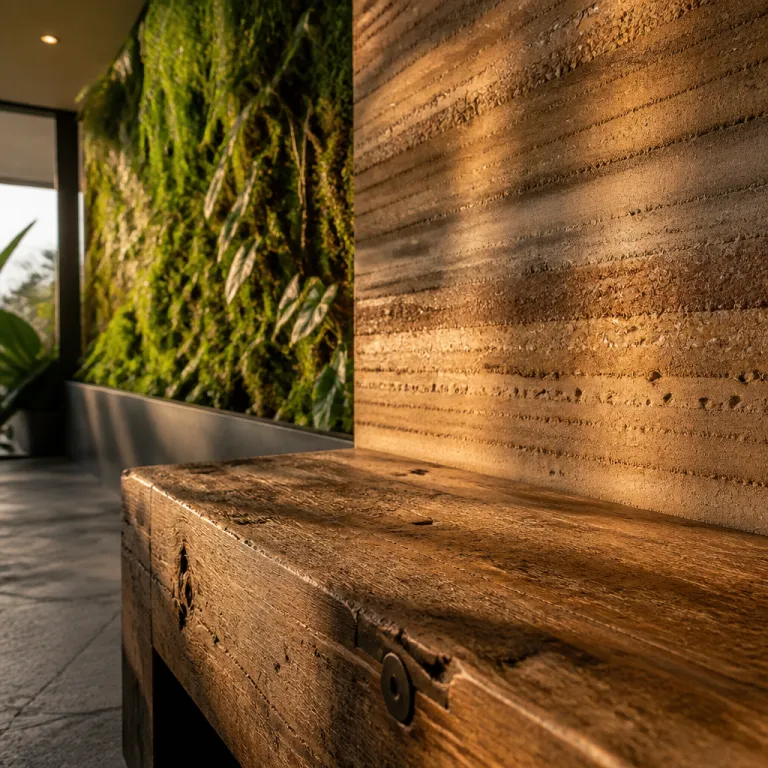
Rammed earth is a construction technique using compacted soil to form walls. Ancient builders used this method for its strength and thermal stability, and contemporary sustainable hotel architects are returning to it for the same reasons. When stabilized correctly, rammed earth walls create a massive thermal battery that reduces energy demand for heating and cooling, which directly lowers the carbon footprint of the building.
Studios working with climate responsive architecture have pushed rammed earth into the luxury resort space, designing guesthouses where the walls feel carved from the landscape rather than imported into it. Projects like the rammed earth pavilions at the Great Wall House by Herzog & de Meuron or the Desert Courtyard House by Wendell Burnette show how eco hotel architecture can be both rigorously sustainable and quietly indulgent, with thick walls that moderate air quality and sound while framing views of nature. A frequently cited analysis in the peer reviewed journal Energy and Buildings (e.g., Arrigoni et al., 2017) reports that substituting stabilized earth for conventional concrete can cut embodied carbon by roughly 20–30% in comparable structures, although results vary with local soil composition, stabilizers, and construction methods.
Specialist builders working with compacted earth demonstrate how local soil, layered and compressed, can replace high carbon materials in both new construction and sensitive renovation. Their cabin scale projects illustrate how green building systems can pair rammed earth with energy efficient glazing and low impact roofs to create truly eco friendly retreats. For travelers interested in impermanent or low impact structures, the rise of canvas based lodgings and other light touch concepts, explored in this guide to the next generation of impermanent architecture, sits alongside rammed earth as part of a broader shift in sustainable design thinking.
One real world example, documented in a regional energy performance report for a mid scale eco lodge in a warm temperate climate, compared a guest room wing built in insulated rammed earth with a similar wing in standard masonry. Over a three year monitoring period, the design team recorded roughly 28–32% lower cooling energy use, with indoor temperatures fluctuating less than 3°C across day and night peaks. The trade off was higher upfront labor costs and the need for specialist contractors, but the payback period on energy savings was under eight years.
Reclaimed teak, local woods, and the tactility of sustainable interiors
Where the walls set the environmental impact of the structure, the floors and furniture define how sustainable interior spaces feel under bare feet. Reclaimed teak has become a signature material in eco-hotel sustainable building materials interior design because it combines durability, rich patina, and a clear sustainability story. Why use reclaimed teak in interiors? It is durable, has a rich aesthetic, and promotes sustainability.
Design studios focused on low impact hospitality, such as Studio Lotus in India or Michaelis Boyd in the UK, show how reclaimed wood and other eco friendly materials can create a warm, minimal aesthetic without sacrificing comfort. By working with local artisans and sustainable material suppliers, they reduce transport related carbon emissions while anchoring the hotel in its regional culture and nature. For guests, this translates into rooms where every surface, from the headboard to the writing desk, carries a sense of history rather than the flat anonymity of new mass produced timber.
Across the hospitality industry, the increase in reclaimed wood usage in construction has reached roughly 15% according to recent summaries in the Dodge Construction Network Green SmartMarket Report and data from the American Wood Council, and high end resorts are leading that shift. Properties such as Sanará Tulum, profiled in this detailed look at a refined eco luxury stay on Tulum beach, pair reclaimed timber with natural stone and lime plaster to create sustainable interior palettes that age gracefully. When you evaluate hotels, ask whether the wood is certified, reclaimed, or locally sourced, because that single question reveals a great deal about the depth of their sustainability efforts.
There are trade offs to consider. Reclaimed teak can be more expensive and requires careful sourcing to avoid illegal logging disguised as “reclaimed.” Moisture content, hidden metal fasteners, and inconsistent dimensions demand skilled carpentry. Yet a case study from a coastal boutique hotel that switched 70% of its new timber finishes to verified reclaimed hardwoods, documented in an internal post occupancy evaluation, found that over a ten year refurbishment cycle, material costs dropped by about 12% thanks to reduced replacement and maintenance, while guest satisfaction scores for “room character” and “sense of place” rose by more than 15%.
Living walls, green roofs, and biophilic design that actually works
Living walls and green roofs have moved from lobby spectacle to serious environmental systems in leading eco hotels. What are living walls? Vertical gardens that improve air quality and aesthetics. When designed as part of a holistic green building strategy, these planted surfaces insulate the structure, filter air, and create a direct visual connection to nature for guests.
Energy savings from living walls can reach around 20% according to multiple case studies summarized by the World Green Building Council and research published in journals such as Building and Environment, especially when combined with energy efficient glazing and thoughtful shading. For solo travelers, this means rooms that stay cooler without aggressive air conditioning, quieter corridors, and shared spaces where biophilic design softens hard edges. You feel the difference in your breathing, your sleep quality, and even how long you linger in a lounge or library.
Biophilic design in hotels goes beyond a few potted plants, integrating natural materials, daylight, and views into the core of the architecture. Vertical gardens, interior courtyards, and planted atriums become part of the energy water management strategy, supporting passive cooling and sometimes even greywater recycling systems. When a sustainable hotel invests in these eco friendly features, it signals a commitment to long term sustainability rather than a short term marketing campaign about going green.
Low impact finishes: paints, textiles, and the invisible side of sustainability
The most luxurious eco hotel rooms often feel effortless, yet that ease is the result of meticulous material choices. Low VOC paints, natural fiber carpets, and organic textiles reduce off gassing, which directly improves indoor air quality for guests. In a sector where travelers may spend many hours inside their rooms, this invisible layer of sustainable design matters as much as the view.
Thoughtful hotel design teams now specify materials that balance durability, cleanability, and environmental impact, especially in high traffic areas. Wool and jute rugs, linen upholstery, and untreated timber surfaces create a tactile connection to nature while supporting waste management strategies through recyclability and compostability at end of life. These choices also reduce the carbon footprint associated with frequent replacement, a hidden but significant factor in the hospitality industry.
Lighting and energy systems complete the picture, with LED fixtures, smart controls, and daylight responsive sensors now standard in the best eco hotels. Energy efficient lighting not only cuts operational energy use but also allows for more nuanced interior design, from warm bedside pools of light to crisp task illumination at the desk. When you read about a resort’s sustainability efforts, look for specifics about finishes, textiles, and systems, because that level of detail separates genuine environmental responsibility from vague eco friendly claims.
Regenerative architecture, carbon accounting, and what to ask before you book
The most ambitious sustainable hotel projects now aim for regenerative architecture, where the building gives more back to the environment than it takes. This can mean structures that sequester carbon through timber and earth, generate more clean energy than they consume, and restore local ecosystems through careful landscape design. For solo travelers, staying in such a resort turns a night’s sleep into a small but meaningful contribution to regional sustainability.
Eco-hotel sustainable building materials interior design is increasingly evaluated through full life cycle carbon accounting. Architects and operators track carbon emissions from extraction and transport of materials, through construction renovation, to decades of operation and eventual deconstruction. When a hotel shares transparent data on its carbon footprint, energy water use, and waste management systems, you gain a clear lens on its environmental impact rather than relying on a single certification logo.
Regenerative thinking also extends into operations, from closed loop kitchens to circular housekeeping practices. If you want to understand how deeply a property is going green, explore how it handles food scraps, linens, and packaging, starting with this analysis of closed loop kitchens turning waste into revenue. Ask direct questions before you book about building materials, green building certifications, and specific sustainability efforts, because serious eco hotels will welcome that level of curiosity.
From global materials to local stories: how to read an eco-hotel room
Every eco hotel room tells a story through its materials, and learning to read that story helps you choose where to spend both money and time. Look for locally sourced stone, such as Oya stone in Tokyo or lava stone in Iceland, which reduces transport emissions and roots the building in its landscape. Notice whether the timber feels like reclaimed teak or other reused woods, whether the textiles are natural fibers, and whether the finishes signal long term durability rather than fast fashion design.
For solo travelers, this material literacy becomes a quiet form of activism within the hospitality industry. By favoring hotels and resorts that invest in sustainable interior choices, energy efficient systems, and low carbon architecture, you reward the properties that treat sustainability as a design brief rather than a constraint. Over time, those booking decisions push more hotels toward serious green building practices and away from superficial eco friendly gestures.
When you next enter a lobby, ask yourself how the building meets nature, how the interior design manages waste and water, and how the air feels on your skin. If the answers point to thoughtful systems, natural materials, and a clear reduction in environmental impact, you are likely standing in a truly sustainable hotel. Eco-hotel sustainable building materials interior design is no longer a niche concern; it is the quiet luxury standard reshaping where and how we choose to stay.
Key figures on eco-hotel materials and performance
- Energy savings from living walls can reach around 20%, according to case studies summarized by the World Green Building Council and research in Building and Environment, when these systems are integrated into a broader energy efficient hotel design strategy.
- Using rammed earth in place of conventional concrete can reduce a building’s carbon footprint by around 30%, as reported in peer reviewed articles in Energy and Buildings and related journals for contemporary eco hotel and lodge projects.
- The Dodge Construction Network Green SmartMarket Report and data from the American Wood Council note an approximate 15% increase in reclaimed wood usage in construction, with high end hotels and resorts representing a significant share of this shift toward sustainable materials.
- Biophilic design elements, such as living walls and green roofs, have been linked in multiple hospitality industry studies and post occupancy evaluations to higher guest satisfaction scores and longer average stays, reinforcing the business case for sustainable interior investments.
- Eco hotels that combine green building materials with efficient energy water systems often report double digit reductions in operating costs over time, as documented in World Green Building Council “Business Case for Green Building” reports, freeing capital for deeper sustainability efforts and guest experience enhancements.
FAQ about eco-hotel sustainable building materials interior design
What is rammed earth and why is it used in eco hotels?
Rammed earth is a construction technique using compacted soil to form walls. Eco hotels use it because the dense, natural walls provide excellent thermal mass, which reduces energy demand for heating and cooling. This lowers carbon emissions while creating quiet, comfortable rooms that feel closely connected to the surrounding landscape.
Why do sustainable hotels use reclaimed teak and other reclaimed woods?
Reclaimed teak and similar woods allow hotels to avoid the environmental impact of harvesting new timber while benefiting from exceptional durability. The aged grain and patina also add depth to interior design, giving rooms a sense of character that new materials often lack. Using reclaimed wood supports waste reduction and can significantly cut the carbon footprint of construction and renovation.
How do living walls and green roofs improve the guest experience?
Living walls and green roofs act as natural insulation, which helps regulate indoor temperatures and reduce noise from outside. They also filter air, improving indoor air quality and reinforcing the calming effect of biophilic design for guests. In many eco hotels, these systems contribute to measurable energy savings while creating visually striking communal spaces.
What should I ask a hotel to assess its sustainability efforts?
Ask about the main building materials, any green building certifications, and whether the property tracks its carbon footprint and energy water use. It is also useful to inquire about waste management systems, such as composting, recycling, and food waste strategies. Hotels that answer with specific data and clear examples usually have more credible sustainability programs.
Do sustainable materials make a noticeable difference to comfort and health?
Yes, sustainable materials can significantly improve comfort and health in hotel rooms. Low VOC paints, natural fiber textiles, and well designed ventilation systems reduce indoor pollutants and improve air quality. Guests often report better sleep, fewer allergies, and a stronger sense of calm in spaces where eco friendly materials and systems have been carefully integrated.
