From plate to garden: how an eco-hotel zero waste kitchen really works
At a serious eco-hotel, the story of your meal does not end when the plates leave the table. The entire hospitality operation is designed so that food, water, energy and even packaging products move in a loop that turns apparent waste into measurable value. This is where the idea of an eco-hotel zero waste kitchen stops being a slogan and becomes a working circular kitchen model that reshapes both guest expectations and the environmental impact of luxury hotels.
After dinner service, trained kitchen staff in these properties separate food scraps, food waste and unavoidable waste food from reusable items such as glass bottles or refillable coffee jars. Plate scraps are weighed in real time, logged by dish and then moved into clearly labelled waste management streams that help reduce the total amount waste generated per guest night. These data points allow hotel management to reduce food overproduction, adjust portion sizes and reduce waste in a way that is far more energy efficient than traditional hotel banqueting operations.
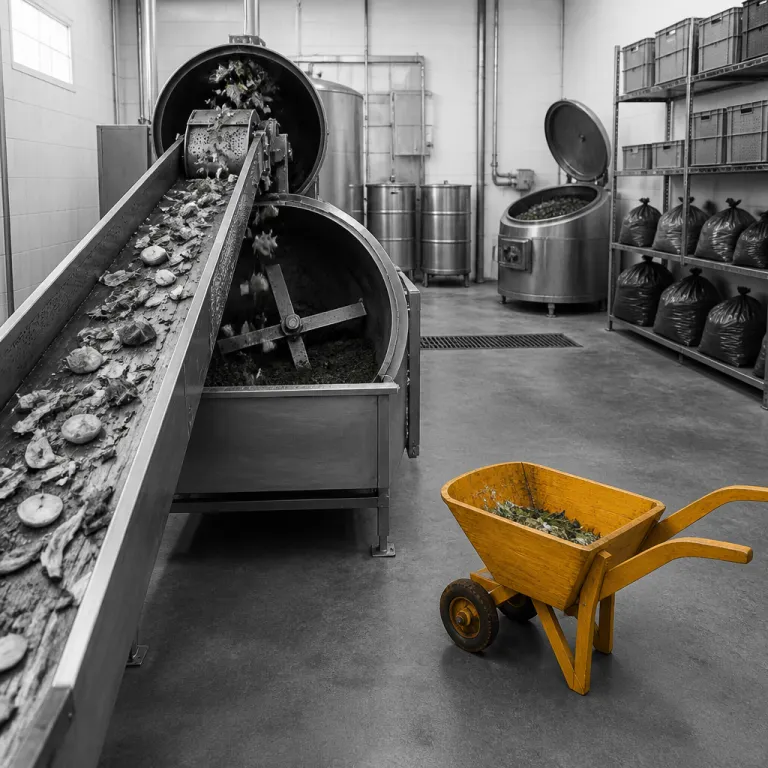
Once sorted, organic food waste travels through the complete loop that defines a true zero waste system. Plate scraps and prep trimmings are composted on site or sent to a specialist partner farm, where they become nutrient rich soil that feeds the hotel gardens and nearby agricultural plots. That compost then nourishes herbs, vegetables and fruit that return to the low waste hotel kitchen, where chefs design seasonal menus that close the circle from plate scraps to compost to soil to garden to menu and back to the plate in your room or at the restaurant table.
In Philadelphia, for example, a luxury hotel at 1 Logan Square works with a regional farm to transform post dinner food scraps into compost that supports local fields. According to the hotel’s sustainability reporting and city waste diversion data, the operation has diverted more than two hundred tons of waste from landfill over a recent three year period, cutting disposal costs while lowering greenhouse gas emissions from decomposing organic matter. This kind of closed loop partnership shows how a single hotel can reduce waste, reduce food overproduction and help reduce gas emissions without compromising on service, comfort or culinary ambition.
Behind the scenes, biodiesel powered trucks or electric vehicles often move compostable waste food to local composting facilities, keeping transport energy use and water pollution in check. In the best cases, these eco friendly logistics systems are paired with on site biodigesters that turn food waste into biogas, further shrinking the environmental impact of the property. For you as a guest, the result is a hotel where the same care that shapes the room design and spa rituals also governs what happens to your dinner once you leave the table.
Fermentation, citrus peels and coffee grounds: when waste becomes revenue
The most advanced eco-hotel zero waste kitchen teams no longer see food scraps as a disposal problem. They treat them as ingredients for a second wave of products that generate revenue, reduce waste and deepen the story of the property’s sustainable hospitality. This is where the economics of zero waste kitchens become compelling for luxury hotels that once viewed sustainability as a cost rather than a profit center.
At several high end eco friendly hotels, citrus peels from the bar and kitchen are collected, weighed and then moved into fermentation jars rather than waste bins. One leading group reports transforming around eighty kilograms of citrus peels each month into candied garnishes and syrups that appear in cocktails, afternoon tea pastries and minibar products in the room. Instead of paying for waste management of those peels, the hotel sells them back to the guest in refined form, turning what was once waste food into a premium experience that also helps reduce the overall amount waste sent to landfill.
Coffee grounds follow a similar path in a serious closed loop hotel kitchen. Rather than being treated as simple waste, they are mixed with cocopeat and used as a soil enhancer for on site gardens that grow herbs, salad leaves and edible flowers for the restaurant. This practice is both energy efficient and water smart, because healthier soil retains more water and reduces irrigation needs, which in turn helps reduce the hotel’s environmental impact while keeping the garden productive across seasons.
Fermentation goes beyond citrus and coffee in these commercial kitchens. Vegetable trimmings become kimchi style condiments, surplus bread becomes miso like pastes and even fruit skins are transformed into vinegars that extend the life of perishable food. Each of these products can appear on tasting menus, in breakfast buffets or as retail items in the lobby shop, creating a long term revenue stream that offsets the labor invested in careful sorting and processing of food waste.
For travelers who care about where their money goes, this model matters. When you choose a property that runs a genuine eco-hotel zero waste kitchen, you support a system where every gram of food is valued, where plastic free packaging and refillable glass bottles are prioritized and where the hotel’s profits are tied to lower greenhouse gas emissions rather than higher consumption. To see how this philosophy extends from the kitchen to the energy system, look at geothermal powered retreats where volcanic heat replaces gas in the stoves and boilers, as shown in independent case studies of Iceland’s geothermal hotels where volcanic energy powers a new kind of luxury.
Occupancy driven production: why hotel kitchens can beat restaurants at zero waste
Unlike standalone restaurants, a luxury hotel has one powerful advantage when it comes to running an eco-hotel zero waste kitchen. It knows exactly how many guests are sleeping on site, how many rooms are occupied and how many covers breakfast will likely serve the next morning. That occupancy data allows chefs to reduce food overproduction, plan energy efficient cooking schedules and align procurement with real demand rather than optimistic forecasts.
In practice, this means that breakfast buffets shrink in scale but grow in quality, with smaller batch cooking and standardized portions that reduce waste without leaving guests hungry. Real time waste measurement tools track how much food returns from the buffet or from plated dinners, and hotel management can adjust menus within days instead of waiting for quarterly reports. When a dish consistently generates more food waste than others, it is reworked or removed, which directly helps reduce both the amount waste and the associated greenhouse gas emissions from production and transport.
Some of the most advanced eco friendly hotel groups now link their eco-hotel zero waste kitchen programs across dozens of properties. When one resort perfects a method to reduce waste in its breakfast pastry section or to repurpose food scraps into a new product, that practice is shared across the portfolio, creating scale that makes experimentation financially viable. A group with more than twenty seven hotels can spread the cost of training, technology and waste management infrastructure while multiplying the environmental impact of each innovation.
Food waste contributes around a tenth of global greenhouse gas emissions, and hospitality is a disproportionate contributor because of buffets, banquets and room service. That is why some leading brands have pledged to halve food waste across their properties within a defined timeframe, using occupancy based production planning, smaller batch cooking and guest engagement to reach the target. You can read a detailed analysis of one such commitment in public sustainability reports on why Six Senses pledged to halve food waste across twenty seven properties, which shows how a luxury group can align climate goals with guest experience.
For you as a traveler, the result of this occupancy driven approach is subtle but tangible. Breakfast stations look abundant but not excessive, menus change with the seasons and you are more likely to see daily specials that use up surplus produce rather than static lists that generate hidden waste. Behind every plate, an eco-hotel zero waste kitchen is using data, training and cross property collaboration to reduce waste, reduce food overproduction and run a more energy efficient operation that still feels indulgent.
Earth labs, guest rituals and the new luxury of participation
The most convincing eco-hotel zero waste kitchen programs do not hide in the back of house. They invite the guest into the process, turning waste management into a form of soft education and, in some cases, a highlight of the stay. This is where Earth Lab style spaces, kitchen garden tours and composting workshops transform abstract sustainability claims into tactile experiences that you can see, smell and taste.
In these dedicated spaces, you might watch chefs turn food scraps into ferments, see compost steaming in neat rows or learn how glass bottles are washed, refilled and rotated instead of being sent to recycling plants. Staff explain how single plastic items have been phased out, how plastic free amenities are chosen and how reusable bags and refillable bottles are offered to guests for excursions. The message is clear; a luxury hotel can be both generous and restrained, offering abundance on the plate while keeping the amount waste behind the scenes remarkably low.
Guided walks through on site gardens often start with a look at yesterday’s plate scraps and end with a tasting of herbs grown in compost made from last month’s food waste. Guests learn how coffee grounds mixed with cocopeat enrich the soil, how careful irrigation reduces water use and how energy efficient pumps and lighting keep the garden thriving with minimal energy. Many properties now invite guests to participate in simple rituals, such as separating food waste at breakfast or refilling their own glass bottles at filtered water stations instead of accepting single use packaging plastic.
Hotels that take this approach seriously often report higher guest satisfaction scores and stronger loyalty. People remember the moment they saw their own dinner leftovers being added to a compost heap that will feed the tomatoes on next season’s menu, or the way their room amenities came in reusable containers rather than layers of packaging. As one sustainability team explains to curious visitors, “We implement composting programs and partner with local farms to close the loop,” and they back this up with annual impact summaries that quantify waste diversion and emissions savings.
For solo travelers, these experiences offer both insight and agency. You are no longer a passive consumer of hospitality services but an active participant in a system that aims for zero waste and long term environmental benefits. Choosing an eco-hotel zero waste kitchen property means your stay helps reduce waste, supports local partner farms and signals to the wider industry that plastic free, data driven, guest engaged operations are the new benchmark for high end hotels.
Costs, savings and why closed-loop kitchens are built for the long term
Behind every eco-hotel zero waste kitchen lies a hard headed financial calculation. Sorting food scraps, training staff, installing composting systems and tracking waste data all require labor, equipment and management attention. The reason more luxury hotels are embracing this model is simple; over the long term, the savings in procurement, waste management and energy use outweigh the upfront investment.
When a hotel measures food waste accurately, it can reduce food purchasing without compromising on quality, because menus are designed around realistic portions and flexible dishes that absorb surplus ingredients. Disposal fees fall as the amount waste sent to landfill shrinks, while composting and biodigestion reduce the need for chemical fertilizers and external energy sources. In some documented cases, hundreds of tons of waste have been diverted from landfill each year, saving thousands of dollars and cutting dozens of metric tons of carbon dioxide emissions, which directly lowers the property’s greenhouse gas footprint.
Energy efficient equipment in the kitchen, from induction cooktops to smart refrigeration, further strengthens the business case. These systems use less energy and water than older models, and when combined with occupancy based production planning they allow hotels to run leaner operations that still feel generous to the guest. Refillable glass bottles, reusable bags and bulk amenities reduce spending on single plastic items and packaging plastic, while also aligning the brand with eco friendly values that attract a growing segment of high value travelers.
Partnerships with local composting facilities and farms add another layer of resilience. By sending food waste to nearby partners who return compost or fresh produce, hotels shorten their supply chains and keep more value within the community, which can be especially important in remote destinations. In Philadelphia, for example, a luxury property works with a regional farm to turn post dinner waste food into compost that nourishes local fields, demonstrating how urban hotels can also participate in closed loop systems.
For booking platforms that curate eco friendly luxury stays, these economics matter as much as the storytelling. A genuine eco-hotel zero waste kitchen is not a marketing flourish but a structural shift in how hospitality uses resources, manages waste and measures success. When you choose such a hotel through a trusted guide, you are investing in a model that aims to help reduce gas emissions, minimize environmental impact and prove that high end travel can be both indulgent and rigorously responsible.
FAQ
How do eco-hotels manage food waste after dinner ?
Eco-hotels manage food waste through careful sorting, real time measurement and dedicated composting or biodigestion systems. Kitchen staff separate plate scraps, prep trimmings and reusable items, then send organic material to on site composters or local partner farms. This approach reduces landfill disposal, lowers greenhouse gas emissions and often produces compost that feeds hotel gardens or nearby agricultural land.
Can guests participate in zero waste kitchen initiatives ?
Guests can usually participate in simple but meaningful ways, such as separating food waste at breakfast, refilling glass bottles at filtered water stations or joining guided tours of the kitchen garden and composting areas. Many properties offer Earth Lab style spaces where visitors can see how food scraps become soil or ferments, and some run workshops on home composting or plastic free living. These experiences turn sustainability from a back of house process into an engaging part of the stay.
What benefits do closed-loop kitchens offer to hotels ?
Closed loop kitchens allow hotels to reduce food purchasing, cut waste management costs and lower energy and water use, all while strengthening their environmental credentials. By tracking how much food returns from the plate, chefs can adjust menus and portions to reduce waste without disappointing guests. Over time, these practices can divert hundreds of tons of waste from landfill, reduce gas emissions and create new revenue streams from products made with former food scraps.
Are zero waste kitchen practices compatible with luxury service ?
Zero waste kitchen practices are highly compatible with luxury service when they are thoughtfully designed. Smaller batch cooking, seasonal menus and creative use of surplus ingredients often result in fresher, more distinctive dishes than large scale buffets. Guests still enjoy generous hospitality, but behind the scenes the hotel is using energy efficient equipment, plastic free amenities and careful planning to keep the amount waste and environmental impact as low as possible.
How can travelers identify hotels with genuine zero waste programs ?
Travelers can look for detailed explanations of waste management practices on hotel websites, ask about composting and partnerships with local farms and pay attention to visible signs such as refillable amenities, glass bottles and minimal packaging plastic. Properties that run serious eco-hotel zero waste kitchen programs are usually proud to share data on food waste reduction and greenhouse gas savings. Booking through specialist platforms that vet sustainability claims adds another layer of assurance that the practices go beyond simple green marketing.