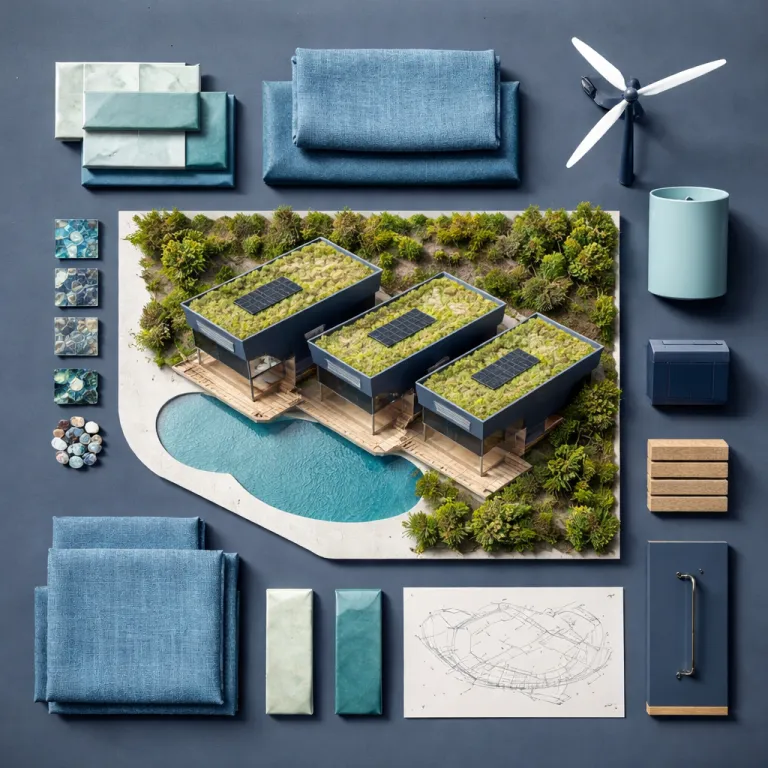
The new language of off-grid luxury eco-retreat design
Off-grid luxury eco-retreat design begins with a clear tension between comfort and constraint. Architects working beyond the grid must deliver genuine luxury while every watt of energy, every litre of water, and every gram of waste is counted. For guests used to high service standards, the question becomes whether grid living can be reimagined as something quieter, slower, and more sensorially rich.
Designers now treat the grid as a creative boundary rather than a limitation, shaping each cabin, tented suite, or villa around the available sun, wind, and water. This is where grid luxury takes on new meaning, as the absence of municipal power forces a deeper relationship between architecture, landscape, and the daily rhythm of guests. The result is a new generation of luxury eco retreats where the line between resort and habitat blurs, and where every design decision is audited against energy consumption, water use, and long term ecological impact.
Across remote locations from Dominica to the Scottish Highlands, the most interesting eco resort projects operate as small grid ecosystems, with their own renewable energy systems, water treatment, and waste management systems. These grid systems are not hidden back of house utilities but the backbone of the guest experience, shaping everything from air conditioning strategies to how long you can charge devices before dinner. For eco friendly travelers, this visible infrastructure becomes part of the narrative of place, turning a night under the stars into a masterclass in grid retreat engineering and low impact living.
Material intelligence: how local landscapes shape luxury eco architecture
Material sourcing is where off-grid luxury eco-retreat design becomes truly site specific. At Playa Viva in Mexico, bamboo treehouses and eco casitas rise from 200 hectares of coastal land, their structure shaped by locally sourced timber, palm, and earth rather than imported finishes. Playa Viva reports that it operates on 100 % renewable energy, using solar arrays and battery storage to power guest areas and back of house systems, so the cabins feel light yet substantial and the design makes clear that luxury can be high touch without being high impact.
In Iceland, the Black Sand Hotel concept leans into its volcanic setting, using lava stone and reclaimed timber to follow the contour of a black sand beach. Here, grid luxury is expressed through thermal mass and insulation rather than excess air conditioning, as the building’s skin works with the climate to reduce energy consumption. The resort’s systems quietly balance solar power, geothermal heat, and small grid storage, so guests feel the raw drama of the coast while the architecture handles the technical choreography of power and comfort.
On Crete, the Tella Terra retreat hides suites beneath olive tree topped roofs, stitching the resort into ancient agricultural terraces. Olive wood, stone, and lime plaster define a calm, tactile interior design language that supports mind body relaxation rather than visual noise. For travelers, the romance lies in this sense of continuity with local life, where a farm table breakfast of locally sourced produce sits just metres from the solar panels that run the cabin, and where eco friendly choices feel like an upgrade rather than a compromise.
Energy as a design brief: from solar panels to sensual comfort
In off-grid luxury eco-retreat design, energy is not an afterthought but the starting brief. Architects and engineers work together to map solar energy potential, wind exposure, and shading patterns before a single wall is drawn. The goal is to create grid systems that feel invisible to guests while radically reducing energy consumption over time.
Coulibri Ridge in Dominica is a benchmark, operating as a fully off-grid resort that generates its own solar power and harvests rainwater across a rugged, remote site. The property reports more than 200 kW of photovoltaic capacity paired with substantial battery storage and on site water reservoirs, so renewable energy is not a marketing line but the only way to run high comfort suites with efficient air conditioning, hot water, and refined lighting. Smart management systems track every kilowatt, adjusting loads between public spaces and private cabins so that guests can charge devices, enjoy long showers, and sleep under cool linen without stressing the small grid that keeps the property independent.
Studios like Mandalaki, with its Monocabin XL5, and Bjarke Ingels Group (BIG), with the Softshell cabin created with Nokken, treat each cabin as a micro power station. Mandalaki’s prefabricated units, for example, are designed to integrate rooftop solar panels and compact battery packs sized to cover typical daily loads, while façades are carved to catch breezes and interior layouts reduce the need for artificial light during the day. For design led travelers, the sensual payoff is real; rooms stay naturally cool, terraces are oriented for sunset, and the quiet hum of a well tuned grid retreat replaces the drone of diesel generators that once defined remote locations.
Cabins, glamping suites, and the new grammar of remote comfort
The most successful off-grid luxury eco-retreat design projects understand that guests want romance, not sacrifice. A remote cabin or glamping tent must feel like an upgrade from city life, even while it runs on a fraction of the power of an urban hotel room. The trick lies in prioritising tactile pleasure and spatial generosity over energy hungry gadgets.
BIG’s Softshell cabin for Nokken is a good example, wrapping a compact footprint in a soft, layered envelope that maximises insulation and daylight. Inside, the design leans on warm timber, generous glazing, and carefully placed lighting rather than heavy technology, so the experience feels both high comfort and low tech. Grid living here means understanding that a well insulated wall can be as luxurious as a powerful air conditioning unit, and that a perfectly framed view can replace a television without guests feeling deprived.
Across the Kabn retreats in Scotland, architect designed cabins use renewable energy and small grid storage to power underfloor heating, discreet lighting, and essential appliances. Glamping style canvas suites in other eco resort settings often combine solar panels with wood stoves, creating a layered approach to power and warmth that suits different seasons and times of day. For many visitors, the rhythm of life shifts; you might time a long bath for when solar energy peaks, or share a farm table dinner of locally sourced produce while your devices charge quietly in the background.
Water, waste, and the invisible architecture of grid retreat life
Energy gets the headlines, but water and waste systems are where off-grid luxury eco-retreat design proves its seriousness. A true grid retreat must handle its own water capture, filtration, and wastewater treatment, often in fragile ecosystems where mistakes are not an option. For guests, these systems are mostly invisible, yet they shape everything from shower pressure to how often linens are changed.
Properties like Tella Terra and Playa Viva integrate reed bed filtration, low flow fixtures, and greywater reuse into their core design, not as afterthoughts. This allows them to maintain high comfort standards while dramatically cutting resource use over time, a balance that many urban luxury grid hotels still struggle to achieve. Composting or low impact toilets, on site waste sorting, and careful management systems for organic waste all contribute to a quieter, cleaner resort environment, where the only noticeable scent is sea air or pine, not diesel or chemicals.
For guests, the most reassuring detail is often the clarity with which these places communicate their systems and limits. Many eco resort teams now brief guests on how the small grid works, when solar power peaks, and why certain energy intensive services are timed carefully. If you want to go deeper into how nature integrated architecture reshapes the guest experience, guides such as this analysis of biophilic hotel design show how water, light, and vegetation can be orchestrated to support both sustainability and sensual pleasure.
From remote experiments to the future of mainstream hotel design
What began as a niche for adventurous travelers seeking remote cabins and glamping sites is now reshaping mainstream hospitality. Recent sustainable travel surveys suggest that around 70 % of travelers now seek eco friendly accommodations, and industry briefings indicate that off-grid luxury retreats have grown by roughly a third since the early 2020s, so the design lessons from these small grid pioneers are too powerful to ignore. Large brands are quietly studying how grid systems, renewable energy, and locally sourced materials can be scaled up without losing the intimacy that makes a grid retreat feel special.
Projects like Bardessono in California, one of the first hotels in the state to earn LEED Platinum certification, show how luxury grid thinking can be applied even when a property is technically connected to public utilities. Bardessono’s documentation highlights extensive solar arrays, advanced management systems, and careful control of energy consumption, allowing the resort to operate more like an eco resort than a conventional city hotel. For travelers who split their time between wild escapes and refined coastal stays, properties such as elegant eco conscious villas in Positano demonstrate how renewable energy, farm table dining, and mind body wellness programming can coexist with classic Mediterranean glamour.
As one industry summary puts it, “A remote accommodation offering luxury amenities while operating independently from public utilities,” and “Through renewable energy, sustainable materials, and eco-friendly practices,” and “Yes, but guests should be prepared for limited connectivity and embrace nature-focused experiences.” Together, these statements capture why off-grid luxury eco-retreat design now influences everything from urban rooftop gardens to coastal villa masterplans. For a deeper dive into how nature integrated architecture is migrating into city hotels, resources on biophilic hotel design and guest experience show how lessons from remote locations are quietly rewriting the rulebook for high end hospitality.
How to choose an off-grid luxury eco retreat as a couple
For couples browsing a luxury and premium booking website for eco hotels, the key is to read beyond the marketing language. Look for clear explanations of how the resort generates power, manages water, and handles waste, and check whether solar power, batteries, or other renewable energy sources are specified. Genuine off-grid luxury will always explain its grid systems, from solar panels and storage to backup strategies for cloudy days.
Next, study the design details that will shape your daily life on site. Does each cabin or suite have natural cross ventilation, shading, and orientation that reduce the need for air conditioning, or is comfort entirely dependent on mechanical systems? Are farm table meals built around locally sourced ingredients, and does the eco resort share how it supports local producers and communities over time? These clues reveal whether luxury eco claims are embedded in the architecture and operations, or simply added as a thin layer of décor.
Finally, consider how the retreat frames the mind body experience of being off grid. Some couples want deep digital detox in remote locations, while others need reliable connectivity for part of the day, and the best grid retreat operators are transparent about what their small grid can support. Whether you choose a glamping tent, a sculpted lava stone suite, or a bamboo treehouse, the most rewarding stays are those where design, living patterns, and energy management align so that sustainability feels like an indulgence rather than a constraint.
Key figures shaping off-grid luxury eco-retreat design
- Around 70 % of global travelers now say they actively seek eco friendly accommodations, according to recent Sustainable Travel Report summaries, which directly fuels demand for off-grid luxury eco retreats.
- Since the early 2020s, the number of off-grid luxury retreats worldwide has grown by roughly 35 %, as tracked in Global Hospitality Trends briefings, reflecting both investor interest and guest appetite for remote, low impact stays.
- Properties such as Playa Viva state that they operate on 100 % renewable energy across more than 200 hectares of land, demonstrating that large scale eco resort models can function entirely off the grid.
- Early adopters like Bardessono, among the first hotels in California to achieve LEED Platinum certification, show how grid luxury principles from remote retreats can reduce urban hotel energy consumption significantly.
Frequently asked questions about off-grid luxury eco retreats
What defines an off-grid luxury eco retreat for couples ?
An off-grid luxury eco retreat is a remote accommodation that offers high comfort amenities while operating independently from municipal power, water, and waste networks. These properties rely on renewable energy, on site water systems, and low impact materials to deliver a refined guest experience. For couples, the appeal lies in combining privacy and romance with a tangible sense of environmental responsibility.
Will comfort be compromised if a resort is fully off grid ?
At well designed properties, comfort is not compromised; it is redefined. Architects use passive cooling, smart orientation, and efficient systems so that suites stay comfortable with far less energy than a conventional hotel room. The main difference guests notice is a more conscious rhythm to daily life, such as timing long showers or device charging to align with solar energy peaks.
How do off-grid retreats manage air conditioning and heating ?
Most serious off-grid luxury eco-retreat design projects minimise the need for heavy air conditioning by using shading, insulation, and natural ventilation first. When mechanical cooling or heating is required, it is usually powered by solar panels, batteries, or other renewable energy sources managed through intelligent control systems. This approach keeps energy consumption within the limits of a small grid while maintaining high comfort levels.
Are off-grid luxury eco resorts suitable for guests who need connectivity ?
Many off-grid resorts now offer selective connectivity, such as Wi-Fi in main pavilions and limited coverage in cabins, so guests can balance digital detox with practical needs. Because bandwidth and power are finite, operators often encourage mindful use rather than always on streaming. Couples who require constant high speed access should check connectivity details carefully before booking.
What should couples check before booking an off-grid luxury stay ?
Before confirming a reservation, couples should review how the resort generates power, treats water, and manages waste, and whether these systems align with their expectations. It is also wise to ask about travel logistics to the remote location, any seasonal limits on services, and how the property supports local communities through employment or sourcing. Clear, specific answers are a strong indicator that the retreat’s sustainability claims are credible rather than cosmetic.