What defines an african villa for eco conscious luxury travelers
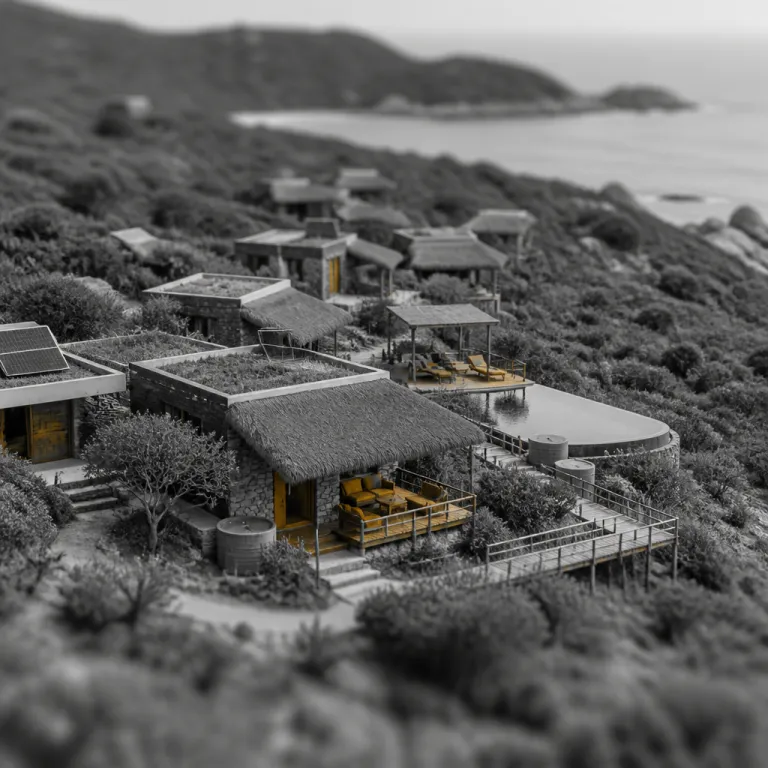
An African villa in the luxury segment is a residence that blends modern design with African architectural elements and a clear sustainability strategy. In the words of one expert, “a residence blending modern design with African architectural elements.” This definition now guides many eco focused hotels and villas across South Africa and the wider continent of Africa, from coastal retreats in the Western Cape and KwaZulu Natal to safari lodges in Botswana, Kenya, and Namibia.
Architects such as Francis Kéré and other leading African designers use local stone, timber, and earth to shape each villa and its surrounding outdoor spaces. Kéré’s work on lodge style villas for the Naaba Belem Goumma Secondary School campus in Gando, Burkina Faso (completed in stages from 2001 onward) shows how a private African holiday house can feel both contemporary and rooted in an authentic African story that respects climate, culture, and community. For guests, this means an African villa stay often includes shaded courtyards, cross ventilation instead of constant air conditioning, and a swimming pool positioned to frame views rather than dominate the landscape.
On a premium booking website for eco hotels, you will notice that the best villas highlight their indoor and outdoor flow. A carefully curated African villa listing will describe how the bedrooms open to verandas, how the bathrooms use natural light, and how each room connects to shared lounges or a heated swimming pool without wasting energy. When you compare hotels and self catering villas, look for reviews that mention passive cooling, solar power, and water saving systems, because these details show that the luxury is genuinely rooted in place and sustainable rather than only decorative.
Hidden villa retreats near cape town and table mountain
The Cape region of South Africa offers some of the most refined villa retreats for travelers who want both wilderness and city access. Around Cape Town, eco minded villas sit between vineyards, fynbos covered hills, and the Atlantic, giving guests a quiet house in nature yet an easy drive to town hotels and restaurants. In Constantia, for example, several four bedroom villas now combine solar panels with rainwater tanks, while in Camps Bay and Clifton, cliffside houses use deep overhangs and sliding screens to manage sun and wind. When you search for an African villa here, focus on properties that frame Table Mountain through large windows while keeping footprints light with rainwater harvesting and indigenous gardens.
Many villas in the Cape Winelands now feature a private swimming pool or even a heated swimming pool, but the most responsible hotels design these pools to minimize evaporation and chemical use. A well planned villa Cape property will often have two to four bedrooms, generous bathrooms with low flow fixtures, and at least one bedroom that opens directly to an outdoor deck for sunrise yoga or stargazing. Before you book, use each villa check section on the platform to confirm whether the pool is shared or private, and whether the room rate includes free filtered water, electric vehicle charging, and guided nature walks through nearby reserves such as Jonkershoek or the Helderberg.
Travelers who appreciate discreet luxury in cities may enjoy reading an elegant guide to eco conscious stays in Rome, which shows how urban properties can balance heritage and sustainability in ways similar to Cape Town villas that retrofit older houses with efficient glazing and heat pumps. When you compare Cape Town hotels on a premium eco booking website, filter by African villa style properties that emphasize natural materials and low energy lighting rather than only listing a large pool. This approach will help you find an African villa that feels like a truly wonderful retreat, not just another generic hotel with sea views.
From kruger national park to victoria falls: villas beside wild landscapes
Beyond the Cape, some of the most atmospheric African villa stays sit on the edges of protected wilderness. Near Kruger National Park in South Africa, for example, eco lodges now offer private villas with two or three bedrooms, each bedroom facing the bush so guests can watch wildlife from the safety of their room. In private reserves such as Sabi Sand and Timbavati, several villas completed after 2015 include en suite bathrooms, outdoor showers, and a small swimming pool or plunge pool that is carefully fenced to protect both animals and visitors.
In the wider region around Victoria Falls, spanning Zimbabwe and Zambia, you will find villas and hotels that use stone, thatch, and timber to echo traditional African homestead forms while meeting modern safety standards. Many of these regional properties work with local communities, and their gift shop spaces often sell crafts that support artisans rather than imported souvenirs. When you read reviews on a luxury eco booking website, pay attention to comments about noise, light pollution, and wildlife interaction policies, because these details show whether the African story told by the hotel is respectful or only decorative.
For a broader view of how high end hotels are shifting toward sustainability, look at analysis of recent European eco luxury trends, which often mirror what is happening in Africa, from Portugal’s solar powered quintas to alpine lodges in Switzerland. The best villas near Kruger National Park or Victoria Falls now publish a clear privacy policy and conservation statement, explaining how each villa and its pool use water and energy, sometimes noting that 40–60 percent of electricity comes from solar arrays. When you complete your villa check before confirming, verify the check time for arrivals, transfer options from the nearest town, and whether park fees are included, so your stay remains smooth and genuinely low impact.
How to read villa listings: bedrooms, bathrooms, and real value
Luxury travelers comparing African villa options on premium eco platforms should read each listing with a critical eye. Start with the layout, because the number of bedrooms and bathrooms determines how comfortably a family or group of guests can share the space. A three bedroom villa with three bathrooms usually offers more privacy than a four bedroom house with only two shared bathrooms, even if the total size in square metres looks similar.
Look closely at room descriptions to understand whether every bedroom has proper windows, cross ventilation, and direct access to outdoor areas. Some villas in South Africa list a fourth bedroom that is actually a small room off the kitchen, which may not suit all guests, especially on longer stays. Reviews from previous travelers often reveal whether the polished marketing matches reality, so search for comments about mattress quality, water pressure, and how well the heated swimming pool or standard pool was maintained during different seasons.
On a serious eco luxury booking website for hotels and villas, you should also find transparent information about what is free and what is charged. Many African villa properties include free Wi Fi, filtered drinking water, and basic pantry items, while airport transfers or guided excursions to the nearest national park cost extra. Before you confirm, check time details for arrival and departure, read the privacy policy carefully, and use the villa check tools to ensure that the villa you are booking aligns with your expectations for comfort, location, and sustainability.
Hidden town hotels and africa house stays beyond the usual routes
Not every memorable African villa stay happens in a famous resort area or beside a national park. Across smaller town centers in South Africa, Morocco, Rwanda, and other parts of Africa, restored townhouses and heritage properties now operate as intimate hotels or villas with only a few bedrooms. These town hotels often sit on quiet streets near markets and cafés, giving guests a chance to walk rather than rely on constant transfers.
When you browse a luxury eco booking website, look for listings that describe a clear African story connected to the town itself. A former merchant house might now be a private villa with two bedrooms, high ceilings, and a shaded courtyard pool, while another property could be a row of villas sharing one swimming pool and an outdoor lounge. In both cases, the most responsible hotels explain how they manage water, waste, and energy in dense town settings, where resources and infrastructure differ from remote safari lodges and coastal resorts.
Some Africa inspired stays include a small gift shop that sells locally made textiles, ceramics, or coffee, which can be a meaningful way to support the community. Before booking, read several reviews to understand whether noise from the town affects sleep, and whether the check time is flexible enough for your arrival plans. If you value privacy, choose a private villa rather than rooms in larger hotels, and confirm through the villa check section that your room has direct outdoor access and not only a window facing an internal corridor.
Designers shaping the future of sustainable african villas
The most compelling African villa experiences today are shaped by architects and designers who treat sustainability as a design foundation rather than an afterthought. Francis Kéré, for example, is known for climate responsive projects that use earthy palettes, deep overhangs, and seamless indoor outdoor transitions to keep interiors cool without excessive mechanical cooling. His work on lodge style villas in Burkina Faso and beyond shows how carefully detailed roofs, shaded walkways, and natural ventilation can replace constant air conditioning in hot regions.
These designers share methods such as incorporating local materials, collaborating with artisans, and planning each room around natural airflow and light. Their work demonstrates that a villa in South Africa or elsewhere in Africa can feel luxurious through proportion, craftsmanship, and landscape integration rather than only through marble bathrooms or an oversized pool. When you browse eco focused hotels and villas online, properties that reference such design philosophies often provide more comfortable bedrooms, better bathrooms, and outdoor spaces that invite slow, mindful living.
Travelers who appreciate this approach may also enjoy eco glamping concepts in other regions, where tents and cabins use similar indoor outdoor principles to reduce impact. Whether you choose a villa Cape retreat near Table Mountain, a remote villa near Kruger National Park, or a town based African guesthouse, always read the privacy policy and sustainability section before booking. Use the villa check tools to confirm details about the swimming pool, heated swimming options, free amenities, and check time, so your African villa stay aligns with both your comfort standards and your environmental values.
Key figures shaping eco conscious african villa design
- ArchiAfrika was founded in the early twenty first century, marking a coordinated effort to document and promote contemporary African architecture across multiple countries in Africa and to connect architects working on villas, lodges, and public buildings.
- In coastal West Africa, several lagoon side villa projects completed in the early twenty first century illustrate how modernism can embrace nature, integrating indoor outdoor living while respecting fragile lagoon ecosystems through raised decks, planted shorelines, and limited hard paving.
- A series of chalet style villas designed by Francis Kéré in the early twenty first century demonstrates how mountain and plateau retreats can use local materials and passive cooling strategies in colder or high altitude climates without relying on constant mechanical heating.
- Across leading eco luxury hotels and villas in South Africa, many properties now report that a significant share of their energy use comes from solar power, with some reaching more than half of total consumption, reflecting a broader shift toward low carbon operations in the high end hospitality sector.
- In several national park buffer zones near Kruger National Park, community based lodges and villas allocate a portion of nightly room revenue to conservation and local development funds, sometimes between five and ten percent, creating a direct financial link between each villa stay and landscape protection.
FAQ about booking an eco conscious african villa
What defines an african villa compared with a standard hotel room ?
An African villa usually offers a self contained house or cluster of rooms that blend modern comfort with African architectural elements, such as courtyards, verandas, and natural materials. Unlike standard hotels, many villas provide private bedrooms, multiple bathrooms, and dedicated outdoor areas like a terrace or pool. This layout gives guests more space, privacy, and flexibility, especially for families or small groups.
How can I check whether an african villa is genuinely eco friendly ?
Start by reading the property description and privacy policy, looking for clear details about solar power, water management, and waste reduction. Serious eco villas in South Africa and other parts of Africa often publish conservation partnerships, community projects, and measurable sustainability goals. Reviews from previous guests can confirm whether these commitments are visible in daily operations, from refillable amenities to responsible swimming pool maintenance.
What should I look for in villa layouts, bedrooms, and bathrooms ?
For comfort, prioritize villas where each bedroom has natural light, ventilation, and either an en suite or nearby bathroom. A good African villa layout separates sleeping areas from social spaces, so early risers and late night guests do not disturb each other. Outdoor access from at least one bedroom, plus shaded seating near the pool or garden, usually makes longer stays more enjoyable.
Are villas near kruger national park and victoria falls suitable for families ?
Many villas near Kruger National Park and Victoria Falls are designed with families in mind, offering multiple bedrooms, child friendly pools, and flexible dining spaces. When booking, confirm safety measures such as secure railings, fenced swimming pool areas, and guided activity options suitable for different ages. Always check time details for game drives or excursions, because early departures may not suit very young children.
How far in advance should I book an african villa in peak seasons ?
For popular regions such as Cape Town, Table Mountain surroundings, Kruger National Park, and Victoria Falls, booking an African villa several months in advance is wise. High demand periods often see the best villas and eco hotels fill quickly, especially those with private pools and limited bedrooms. Early booking also gives you more time to compare reviews, clarify villa check details, and arrange transfers from the nearest town or airport.