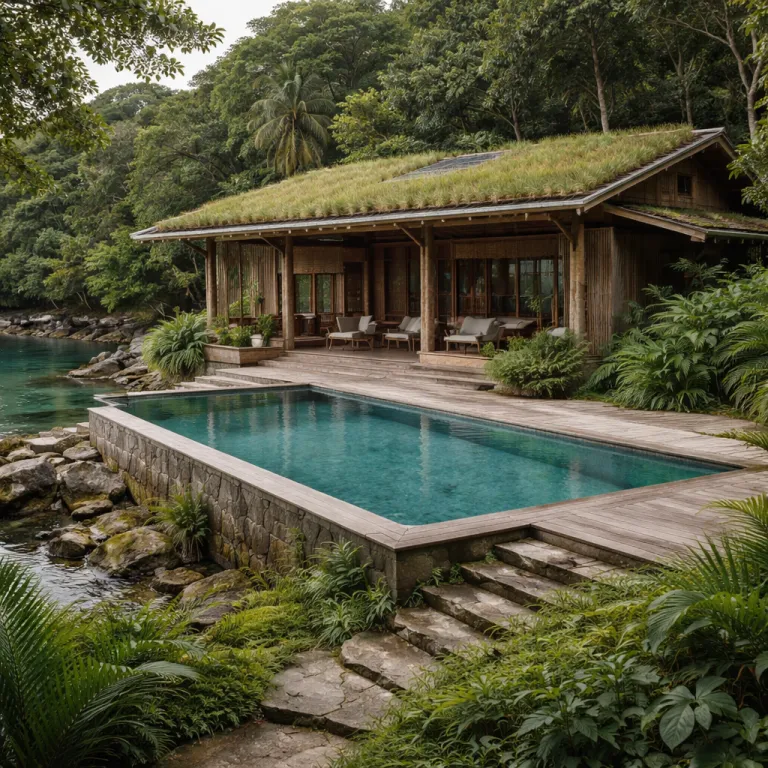
From barefoot clichés to Southeast Asia eco-villa luxury with purpose
Across Southeast Asia, a new generation of island retreats is quietly rewriting what Southeast Asia eco-villa luxury means for couples. These are places where a luxury villa sits beside a protected national park or marine sanctuary, and where every stay is designed to balance indulgence with measurable conservation impact. For eco conscious travel, the focus has shifted from a pretty beach view to how the resort powers its air conditioning, treats its water, and supports the local community.
OUTRIGGER Phi Phi Island Resort, set on Phi Phi Don in southern Thailand close to Hat Noppharat Thara–Mu Ko Phi Phi National Park, is a clear signal of this shift. The resort’s collection of eco conscious villas is built to frame the jungle and sea rather than dominate them, and the design language is modern yet rooted in local materials that feel appropriate to the east Andaman setting. Couples booking a private villa here are not just paying for a private pool and a perfect island sunset; they are buying into a model that aims to show a luxury hotel can operate near a fragile ecosystem without eroding it.
Across Southeast Asia, the data backs up this pivot toward meaningful eco tourism and eco resorts. The 2023 Booking.com Sustainable Travel Report, for example, notes that a clear majority of global travelers want to travel more sustainably, and that many are willing to pay extra for certified sustainable stays, while regional tourism bodies report strong annual growth in eco-luxury developments across the Asia Pacific. For couples planning a stay, that means more choice than ever between a modern villa on a private island, an eco lodge in the jungle, or a low slung resort near a city like Kuala Lumpur that still feels like a retreat.
OUTRIGGER Phi Phi and the Thai Nit Thra philosophy in practice
Operating a luxury villa resort near a national park demands more than a sustainability page on a website; it requires a philosophy that guides every daily decision. At OUTRIGGER Phi Phi, that framework is expressed through a Thai-inspired concept of mindful harmony with nature, a Nit Thra approach that shapes how guests move through the island, how villas are serviced, and even how the swimming pool is filtered. You sense this in the quiet paths that wind through the jungle, in the way staff encourage slow travel, and in the gentle reminders to keep the reef view pristine for the next couple.
In practical terms, this philosophy means that many villas are partially powered by solar systems, that air conditioning is carefully zoned, and that water use is tracked as closely as guest satisfaction scores. Couples can book a modern villa with a private pool and still know that the resort is working toward best eco practices, from reef safe amenities to low impact lighting that protects nesting wildlife. As one long-serving marine guide at the resort explains, “When guests join our reef checks or beach clean-ups, they see exactly how their stay helps us restore coral and keep this bay alive for future visits.” This is where Southeast Asia eco-villa luxury now lives; in the details of how an eco friendly hotel integrates conservation into the romance of a private island stay.
Other leaders in Asia echo this approach, from the bamboo villas of Cempedak Island to the conservation led experiences at El Nido Resorts and the jungle tents of Shinta Mani Wild. Properties like Soneva Kiri and Keemala Resort show how eco lodges and eco resorts can pair serious conservation with high design, while Six Senses continues to expand its sustainability forward resorts region wide. For couples comparing eco-luxury villa rentals that elevate your sustainable travel experience, resources such as curated eco villa rental guides help separate genuine eco tourism from greenwashed marketing.
Seasonal strategies for couples: when and where to book
Seasonal timing is everything when you are planning Southeast Asia eco-villa luxury, especially for island retreats exposed to shifting monsoon patterns. On the Andaman side of Thailand, including Phi Phi and Koh Samui’s eastern neighbors, the driest months bring calm seas, clear snorkelling, and higher rates for every luxury villa with a reef view. Shoulder seasons can be a smart moment for couples who want value, fewer guests around the swimming pool, and more time with marine biologists and conservation teams.
On the south and east coasts of the region, weather patterns flip, so a private island in the Gulf may be at its best while the Andaman jungle is drenched. Resorts southeast of Thailand, in Vietnam and Cambodia, often design seasonal conservation programming, from coral planting to mangrove walks, that align with calmer seas and better underwater visibility. If you are used to a city break in Kuala Lumpur or Singapore, think of this as the island equivalent of choosing the right festival weekend rather than just any random travel date.
For couples balancing romance with responsibility, the smartest seasonal strategy is to map your stay to both climate and conservation calendars. Some eco resorts run reef restoration or turtle monitoring at specific times, and joining these can turn a standard villa holiday into a meaningful eco tourism experience. If you are researching where to stay in other regions before or after Asia, tools like curated guides to the most popular family resorts in the Canary Islands at specialist resort round ups can help you compare how different destinations handle sustainability.
What couples should look for in Southeast Asia eco-villa luxury
For couples, the new benchmark for Southeast Asia eco-villa luxury is privacy with purpose, not just a plunge pool and a good minibar. Start with the basics; a genuinely eco friendly villa or collection of villas should be powered partly by solar energy, use efficient air conditioning, and publish clear conservation goals for the island or jungle it calls home. Ask how the hotel engages the local community, whether through employment, sourcing, or education, because this is where eco tourism moves from theory to impact.
Look closely at water and energy systems, especially if you are booking a modern villa with a private pool or a large shared swimming pool complex. The best eco resorts now explain how much of their grid is powered by solar, how they treat grey water, and how they limit light pollution over the sea and forest. Many leading properties also publish annual sustainability reports or hold certifications such as Green Globe, EarthCheck, or LEED, giving couples concrete metrics on energy savings and community investment. If a property claims to be an eco lodge or an eco resort but cannot answer these questions, it is unlikely to represent the future of Southeast Asia eco-villa luxury that serious travelers expect.
Reef and forest access also matter, particularly in places like Koh Samui, Phi Phi, or private island retreats in Cambodia such as Song Saa Private Island, often referred to as Song Saa. Couples should look for guided snorkelling with marine biologists, small group hikes into nearby jungle, and transparent partnerships with national park authorities. For a deeper benchmark of what serious conservation looks like in practice, case studies such as the mangrove focused project at Miraval Red Sea, explored in detail in this inside look at an eco resort in a mangrove forest, show how architecture, ecology, and guest experience can align.
FAQ
What defines an eco-luxury resort in Southeast Asia today ?
What defines an eco-luxury resort? A resort combining luxury amenities with sustainable practices. In Southeast Asia, that usually means villas or a modern villa layout built with local materials, partial reliance on powered solar systems, and strong ties to the surrounding national park or marine reserve. Guests should see clear conservation programs, eco friendly operations, and visible benefits for the local community rather than just recycled towels and vague promises.
Why are eco resorts and eco lodges so popular across the region ?
Why are eco-resorts popular in Southeast Asia? The region's rich biodiversity and cultural heritage attract eco-conscious travelers. Couples are drawn to the mix of jungle, island, and city access, where a stay can combine reef snorkelling, village visits, and refined dining in one trip. As more travelers prioritise responsible travel, demand for eco resorts, eco lodges, and private island retreats that deliver real conservation impact keeps rising.
How do eco resorts support the local community and conservation ?
How do eco-resorts support local communities? By employing locals, sourcing materials locally, and funding community projects. In practice, that can mean hiring guides from nearby villages, investing a share of villa revenue into reef restoration, or partnering with schools on environmental education. Many of the best eco properties in Asia also work closely with national park authorities to monitor wildlife and manage visitor impact.
Is a Southeast Asia eco-villa luxury stay suitable for first time eco travelers ?
For couples new to eco tourism, Southeast Asia eco-villa luxury is an accessible entry point because comfort standards are high and service is polished. Resorts such as OUTRIGGER Phi Phi, Soneva Kiri, or Cempedak Island pair private pools, refined dining, and attentive staff with clear explanations of their conservation work. You can enjoy a romantic stay while gradually engaging with reef projects, jungle hikes, or community visits at your own pace.
How can I verify that a resort is not just greenwashing its eco claims ?
To avoid greenwashing, look for third party certifications, transparent sustainability reports, and specific data on energy, water, and waste rather than vague slogans. Serious eco resorts in Southeast Asia will explain how much of their power is solar, how they manage air conditioning loads, and how they work with local communities and national parks. If a property cannot answer detailed questions about its eco systems, it is safer to book elsewhere.
Sources
- Booking.com Sustainable Travel Report 2023
- Asia Pacific Tourism Association Report on Sustainable Tourism Growth
- Official sustainability communications from Keemala Resort, El Nido Resorts, Shinta Mani Wild, Cempedak Island, and Soneva Kiri