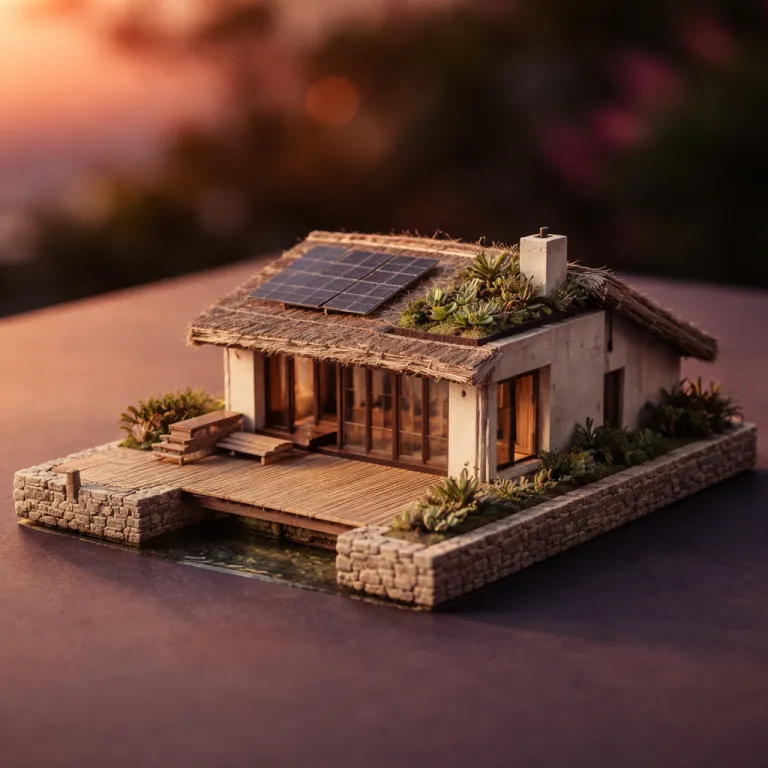
Restoring Zannier Île de Bendor as a low impact Mediterranean village
Zannier Île de Bendor eco-hotel opens on a seven hectare rock just off Bandol, reshaping how a private island in France can host luxury without excess. The Ricard family and Zannier Hotels have turned the former leisure enclave of Île Bendor into an eco-luxury village, where every stone villa, every room and every suite has been reworked with a repair first mindset rather than a demolition led approach. Accessible only by private boat or the short public ferry from the mainland, this island retreat on the Côte d’Azur now limits guest numbers to protect both the sea and the fragile Mediterranean ecosystem.
The transformation of Bendor France has focused on lime washed walls, reclaimed timber and raw stone, so the architecture feels closer to a Provençal hamlet than a conventional resort hotel. Across the 93 villas and suites, terraced gardens step down towards the sea, creating natural privacy and layered sea views while reducing the visual impact of new construction on the island skyline. According to Zannier Hotels’ published sustainability brief and official press materials, Zannier Île de Bendor eco-hotel sources around 80% of its electricity from certified renewable energy and uses local materials, traditional craftsmanship and passive cooling strategies to keep the operational carbon footprint of each room and each junior suite significantly lower than many comparable hotels along the Côte d’Azur.
Inside, the aesthetic is deliberately minimalist, with handcrafted furniture, woven textiles and a restrained palette that lets the panoramic sea horizon do the talking. Many categories, from the Delos room to the larger Delos suite, frame a full sea view or partial sea glimpses through deep set windows and shaded loggias. Guests booking a suite sea category or a suite panoramic option will find terraces oriented for sunrise or sunset, with views that underline why this small île has long been a coveted outpost in southern France. As the Ricard family has noted in official statements and interviews, the goal was to “restore the spirit of a Mediterranean village” rather than create a showpiece resort, and the interiors echo that brief.
Suites, sea views and slow luxury for eco conscious couples
The accommodation plan at Zannier Île de Bendor eco-hotel is built around a Provençal village concept, with stone houses scattered across terraced gardens rather than a single monolithic hotel block. Couples will find a spectrum of options, from intimate rooms with a partial sea view to expansive junior suite layouts where a king bed faces the horizon and a private terrace opens directly to the scent of pine and salt. In several villas, a sofa bed allows a junior configuration to flex for small families, though the overall atmosphere remains firmly oriented towards romantic stays and quiet retreats.
Bathrooms are a clear statement of intent, pairing a generous bathroom bathtub with walk in showers, double sinks and natural stone finishes that echo the rocky edges of Île Bendor itself. In the larger Delos suite and the suite panoramic categories, the bed bathroom relationship has been carefully choreographed so that guests can soak while watching the sea, yet still feel sheltered from direct sun and wind. Selected units marketed as a suite sea category combine a view king configuration, a deep terrace and wide sea views, giving couples a private stage for slow breakfasts and late night glasses of Bandol wine. Zannier Hotels reports in its environmental documentation that low flow fixtures and a greywater reuse system cut potable water consumption by roughly 30% compared with the island’s previous hotel operations, a key factor for a site with limited freshwater resources.
This is not an island chasing volume or last minute booking spikes; instead, Zannier Île focuses on measured occupancy and longer stays to reduce operational strain on water, energy and waste systems. Internal planning documents cited by local media and sustainability commentators indicate a soft cap of around 180 guests at any one time, well below what the built footprint could theoretically host. Prospective guests are encouraged to check inclusive rate structures that clearly separate room costs from local taxes and fees, a transparency that matters on private islands where logistics can inflate hidden charges. For travelers comparing island retreats worldwide, the restrained capacity and village scale layout here sits in the same conversation as the new generation of eco villas in Southeast Asia, where island retreats are redefining luxury travel through low density design and community engagement.
Overtourism, private islands and the new Côte d’Azur eco model
On a coastline where overtourism has strained both infrastructure and local patience, Zannier Île de Bendor eco-hotel signals a different trajectory for the Côte d’Azur. By capping guest numbers across its 93 villas and suites, the island avoids the cruise ship style surges that overwhelm many Mediterranean ports and beaches. The result is a quieter rhythm, where each île pathway, each terrace and each sea view feels shared by dozens of guests rather than hundreds, and where the surrounding sea life has a chance to recover from decades of intensive use.
The restoration philosophy has favoured souk-like calm over spectacle, with shaded courtyards, narrow lanes and layered gardens that recall older Provençal villages more than new build hotels. Energy systems lean on renewable sources, while water management and waste reduction have been designed with environmental experts to suit a compact island with limited resources. A regional environmental assessment commissioned during the renovation reported early signs of seagrass recovery and a measurable reduction in light pollution around the island. For couples weighing the real cost of a private island stay, this model aligns with the new generation of private island eco resorts analysed in depth by independent sustainability commentators, where rate structures, taxes and fees are scrutinised alongside genuine sustainability metrics.
Within the accommodation mix, names such as Delos room, Delos suite and even the imagined Delos junior suite hint at a Mediterranean island lineage, while categories like suite sea and suite panoramic underline the focus on framing the water rather than the architecture. Many units pair a king bed or double bed with a sofa bed to keep layouts flexible, yet the emphasis remains on generous outdoor space, from loggias to broad terraces with panoramic sea views. For readers tracking broader industry shifts, Zannier Île de Bendor sits alongside other headline openings in what ecohotelstay.com has called the greenest hotel opening season on record, and it stands out because Île Bendor is not just a private French island transformed into an eco-luxury village; it is also a test case for how sensitive Mediterranean sites can host high end travel without sacrificing their soul.
Practical notes for booking and context from verified sources
Île de Bendor is a private French island transformed into an eco-luxury village. Zannier Hotels, in partnership with the Ricard family, operates Zannier Île de Bendor with a focus on sustainable architecture, eco friendly practices and cultural preservation. After a five year renovation, Zannier Île de Bendor reopened on May 1, 2026, with 93 rooms and suites spread across seven hectares, accessible via a seven minute boat ride from Bandol; the reopening date and capacity figures are confirmed in Zannier Hotels’ official press materials and related corporate releases.
Travelers planning a booking should check current rate conditions directly with Zannier Hotels, paying attention to seasonal variations, minimum stay requirements and any specific taxes and fees linked to the island’s logistics. As an indicative range, early launch rates reported by travel media and luxury travel analysts suggest that entry level rooms typically start around €650–€750 per night in low season, with junior suites and higher categories rising well above €1,000 depending on view and terrace size. For couples comparing this property with other hotels on islands in France and beyond, the combination of limited capacity, panoramic sea views and a strong sustainability framework positions Zannier Île de Bendor eco-hotel as one of the most closely watched openings on the Côte d’Azur. As always, readers should review cancellation terms carefully, confirm whether breakfast and boat transfers are included in the room rate, and verify any environmental levies that may appear as separate line items.
For further independent context on eco luxury trends and the positioning of Zannier Île de Bendor among global openings, readers can consult reporting from The Ethicalist, analysis from Luxury Travel Expert and coverage by Le Monde, which have all highlighted the island’s emphasis on heritage preservation and low impact design. These sources, combined with on the ground observations from ecohotelstay.com and other verified commentators, help ensure that the narrative around this island hotel remains grounded in verifiable data rather than marketing claims. In a Mediterranean region wrestling with overtourism, that level of scrutiny is not a luxury; it is a necessity.