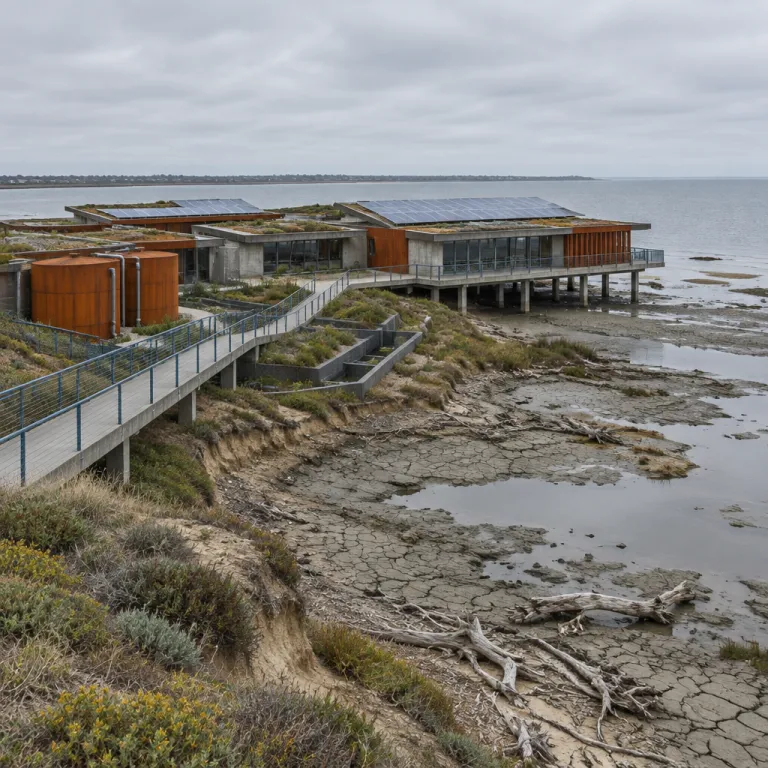
How climate change eco-hotel travel destination shifts are reshaping the map
Summer no longer guarantees gentle coastal breezes and manageable temperatures. As the climate warms, families planning luxury travel are quietly rewriting their tourism wish lists and seeking eco friendly hotels in cooler latitudes or at altitude. This is where climate change eco-hotel travel destination shifts become visible, as premium properties in northern Europe, the Rockies, and the Japanese Alps step into the spotlight.
In the Mediterranean and parts of the Middle East, peak season temperatures now regularly exceed 40 °C, which changes how travelers with children think about risk, comfort, and water safety. Parents who once booked a seafront hotel in August now weigh climate risk, extreme weather alerts, and the environmental impact of long haul flights against the promise of a pool and kids’ club. These change impacts are pushing travel tourism demand toward climate resilient regions where sustainable tourism infrastructure, renewable energy systems, and careful water management are already in place.
Luxury eco hotels in Scandinavia, Scotland, Canada, and Patagonia are responding with longer operating seasons and more family focused sustainable travel experiences. They highlight their reduced carbon emissions, on site renewable energy, and low carbon footprint menus as part of a broader climate action narrative that resonates with climate conscious tourism sector guests. For premium families, climate change eco-hotel travel destination shifts now mean comparing hotels not only on spa size and suite layout, but also on greenhouse gas reporting, energy efficiency, and how each property manages climate risk for future generations.
From heatwaves to high latitudes: where luxury eco hotels are gaining ground
As global warming accelerates, destinations once considered too cool or remote for mainstream tourism are entering their moment. Climate change eco-hotel travel destination shifts now favor high latitude and high altitude regions, where rising temperatures create longer shoulder seasons without the oppressive heat that challenges families in southern resorts. For eco friendly luxury hotels, this change brings both opportunity and responsibility.
In Scandinavia, Canada, and Patagonia, climate resilient lodges are extending their calendars, offering summer style hiking and lake swimming well into what used to be early autumn. These hotels invest in renewable energy, from hydro powered spas to solar heated pools, and they publish a sustainability report that details carbon emissions, water use, and energy efficiency for discerning travelers. A standout example is the net zero design of properties like the Sugar House in Vermont, where advanced insulation, heat recovery systems, and all electric kitchens show how the hospitality industry can reduce its carbon footprint while elevating comfort; for readers interested in such engineering led climate action, an in depth look at Marriott’s first net zero property is available through a dedicated feature on net zero hotel innovation.
Families choosing these climate benefit destinations often arrive by rail or short haul flights, trimming the impact climate of their travel compared with long intercontinental journeys. They ask precise questions about sustainable tourism practices, from how hotels manage climate risk to whether the kids’ activities include climate action education or reforestation projects. In this new era of travel tourism, luxury means a hotel that can keep rooms naturally cool without excessive energy use, maintain water quality during heatwaves, and offer carbon free or low carbon excursions that feel indulgent yet aligned with global climate goals.
Shoulder seasons, shifting calendars, and the new family booking strategy
One of the clearest climate change eco-hotel travel destination shifts is temporal rather than geographic. As summer temperatures climb and extreme weather events become more frequent, premium families are sliding their holidays into spring and autumn shoulder seasons. This subtle change in travel timing has profound implications for hotel operations, sustainable tourism capacity, and the broader tourism sector.
Eco friendly hotels in southern Europe now report that May and October can feel like the old July, with warm seas, pleasant air temperatures, and fewer heat related health risks for children. To manage this, many hotels are rebalancing staff schedules, energy use, and water systems to handle higher occupancy outside traditional peak months, while still reducing carbon emissions and overall environmental impact. Some properties publish a seasonal sustainability report that shows how their carbon footprint, water consumption, and energy demand vary month by month, giving travelers transparent data to align their sustainable travel choices with lower impact periods.
For families, the benefits of these climate change eco-hotel travel destination shifts are tangible. Shoulder season stays often mean quieter pools, more attentive service, and sometimes free or discounted kids’ activities, all while avoiding the highest climate risk weeks of the year. Ecohotelstay.com has profiled several properties that maintain a low footprint even at full occupancy, and readers can explore these strategies in detail through a feature on high season sustainability performance, which explains how leading hotels balance tourism demand, greenhouse gas reductions, and guest comfort across an extended calendar.
Families, climate risk, and the ethics of where you book
For premium families, climate change eco-hotel travel destination shifts are no longer an abstract topic reserved for policy reports. When parents weigh destinations, they now consider climate risk alongside kids’ clubs, connecting rooms, and flight duration, especially when traveling to a small island or low lying coastal region. Questions about sea levels, storm surges, and extreme weather patterns sit next to queries about kids’ menus and interconnecting suites.
There is also an ethical dimension that thoughtful travelers cannot ignore. Some argue that avoiding climate stressed destinations reduces the carbon emissions associated with long haul travel and lessens pressure on fragile ecosystems already facing change impacts from global warming and rising sea levels. Others counter that responsible travel tourism, directed toward genuinely sustainable hotels that invest in renewable energy, water resilience, and climate action, can fund adaptation projects and strengthen local communities against future climate risk.
For eco conscious luxury travelers, the answer often lies in nuance rather than absolutes. Choosing a climate resilient hotel that publishes a clear sustainability report, tracks its greenhouse gas emissions, and invests in local climate action projects can turn a family holiday into part of a wider solution. When considering a small island destination, for example, look for hotels that manage water carefully, use energy efficient cooling, and offer free or low cost educational activities that explain climate change to children in age appropriate ways, helping the next generation understand both the impact climate has on tourism and the role sustainable tourism can play in protecting vulnerable places.
Insurance, policies, and how eco hotels are engineering resilience
As climate change eco-hotel travel destination shifts accelerate, insurance clauses and cancellation policies have become as critical as infinity pools and kids’ clubs. Families booking premium eco friendly stays now read the fine print on extreme weather coverage, evacuation procedures, and flexible rebooking options before confirming flights. Hotels that operate in wildfire zones, flood plains, or cyclone exposed coasts must show how they manage risk, not just how they style their suites.
In response, leading sustainable hotels are investing in both engineering and policy based resilience. Fire resistant construction, elevated foundations, advanced drainage systems, and energy efficient cooling reduce physical vulnerability, while dynamic pricing and flexible cancellation terms help absorb the financial shocks of climate risk events. Many properties now work closely with insurers to align their climate action plans, carbon footprint reductions, and renewable energy investments with lower premiums, creating a virtuous circle where sustainability and financial stability reinforce each other.
For travelers, especially those journeying with children, this new transparency is welcome. A hotel that can explain its emergency protocols, water security strategy, and backup energy systems offers more than comfort ; it offers peace of mind in a warming world where change impacts every aspect of tourism. When browsing ecohotelstay.com or similar platforms, look for properties that clearly state how they handle climate change related disruptions, how they measure and reduce carbon emissions, and how their policies support both sustainable travel and guest protection in an era of global climate volatility.
FAQ
How is climate change affecting where eco hotels are opening?
Climate change is pushing new eco hotels toward cooler, higher, and more climate resilient regions. Developers increasingly favor northern Europe, North America, and mountain destinations where rising temperatures create longer seasons without extreme heat. At the same time, some small island and low lying coastal areas face higher climate risk, which can slow new hotel investment unless strong resilience measures are in place.
What should families check before booking an eco friendly hotel in a hot destination?
Families should review the hotel’s climate risk information, including how it manages heatwaves, water scarcity, and extreme weather events. It is wise to ask about energy efficient cooling, shaded outdoor areas for children, and flexible cancellation policies linked to climate change disruptions. A credible sustainability report that covers carbon emissions, water use, and emergency planning is a strong sign of serious climate action.
Are shoulder season trips really better for sustainable tourism?
Traveling in shoulder seasons can reduce pressure on local water supplies, energy grids, and fragile ecosystems compared with peak summer crowds. Eco hotels often operate more efficiently at these times, which can lower their carbon footprint per guest night. For travelers, this timing also means more comfortable temperatures and a calmer atmosphere, especially valuable for families with young children.
How can I tell if a hotel’s green claims are trustworthy?
Look for third party certifications, transparent data on greenhouse gas emissions, and clear explanations of renewable energy and water management systems. Reputable eco hotels publish detailed sustainability reports rather than vague marketing slogans and often align with recognized labels such as the EU Ecolabel, which is explained for travelers in depth on this guide to green certifications. Reading independent reviews from platforms that specialize in sustainable travel can also help separate genuine sustainability from greenwashing.
Does avoiding climate stressed destinations always reduce my environmental impact?
Avoiding highly vulnerable regions can sometimes lower your personal climate risk, but it does not automatically reduce your carbon footprint. The overall environmental impact depends on flight distance, transport mode, hotel efficiency, and on site behavior such as water and energy use. In many cases, choosing a closer, well run eco hotel with strong climate action policies will have a lower impact climate than flying long haul, even if the distant destination markets itself as sustainable.