From hidden emissions to the eco-hotel carbon footprint guest dashboard
Luxury travel is finally putting numbers to its environmental impact. The new eco-hotel carbon footprint guest dashboard turns abstract emissions into precise data that solo travelers can read at a glance. In high end hotels, this shift is redefining what sustainable service looks like for eco conscious guests.
At its core, this guest facing carbon dashboard translates every room night into measurable climate impact. Behind the elegant interface, carbon tracking software calculates energy use, water consumption, laundry loads, and greenhouse gas emissions linked to guest travel and on site activities. Eco-hotels then convert these scope emissions into a clear carbon footprint figure, often benchmarked against an average hotel industry stay of around 30–40 kilograms of CO₂ per night, based on estimates from the Cornell Hotel Sustainability Benchmarking Index and the Hotel Carbon Measurement Initiative.
For travelers used to opaque sustainability claims, the change feels radical. Instead of vague eco friendly labels, guests see real time sustainability dashboards that show how much renewable energy powers their room and how much waste their stay generates. The interface often breaks down gas emissions from heating, electricity, and food waste, helping guests understand which choices reduce environmental pressure most effectively.
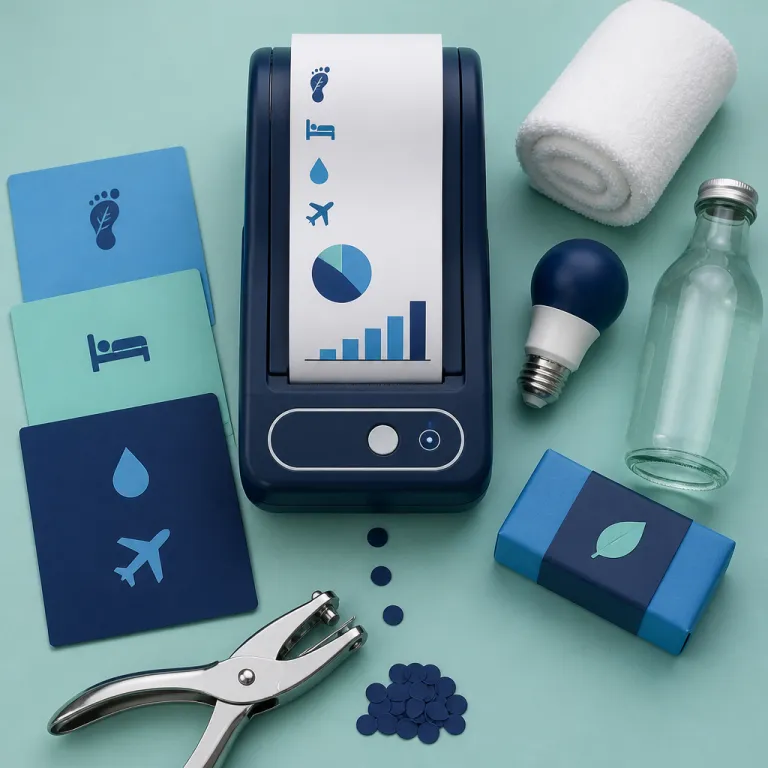
Many leading eco hotels now pair the on screen dashboard with a carbon receipt at checkout. This document details the environmental impact of the stay, listing carbon emissions per room night, water use, and food related waste alongside the financial bill. One official definition captures it crisply ; “What is a carbon receipt? A document detailing the CO₂ emissions of your hotel stay.”
For solo explorers booking through a premium eco friendly platform, this transparency becomes a selection filter. They compare hotels not only on design and location, but on how clearly each property reports hotel carbon data and sustainability reporting metrics. The most advanced properties even show how sustainable practices and renewable energy investments have helped reduce emissions over time, turning the dashboard into a living record of progress. Pioneers include brands such as Scandic Hotels, which reports average emissions per guest night in its sustainability disclosures, and software providers like Greenview and Green Key that power many of the guest facing tools and methodology pages used across the sector.
Smart rooms, real time data and the new guest experience
Step into a smart room at a leading eco hotel and the technology feels quietly intuitive. The eco-hotel carbon footprint guest dashboard usually appears on the in room tablet, the television welcome screen, or a dedicated mobile app. Instead of shouting about sustainability, it folds environmental impact into the same interface that controls lighting, temperature, and room service.
These systems track energy use in real time, showing how lighting scenes, HVAC settings, and hot water habits influence carbon emissions. A solo traveler adjusting the thermostat by just one degree can immediately see the change in projected hotel carbon output for that room night. Some hotels even translate emissions into relatable equivalents, such as kilometers of guest travel by car or the number of trees needed to absorb the greenhouse gas produced.
Crucially, the best implementations feel friendly rather than forensic. Smart controls let guests pre set comfort preferences, then the dashboard quietly optimizes energy to reduce environmental strain without constant prompts. When a traveler leaves the room, sensors dim lights and adjust cooling automatically, with the sustainability dashboards logging the reduced emissions as part of the stay’s overall footprint.
Luxury properties are also experimenting with how they present food and beverage data. Menus may highlight dishes with lower carbon footprint values, while the same analytics platform aggregates food waste and food related emissions for each stay. Over several hotels on a long trip, a solo explorer can compare how different kitchens manage food waste and sustainable sourcing, then reward the most sustainable practices with repeat bookings.
For travelers researching eco minded stays in complex urban markets, this level of detail is becoming a differentiator. When browsing an elegant eco map of New Orleans hotels for ecominded luxury stays, for example, many readers now look for properties that integrate real time dashboards and transparent sustainability reporting. The guest experience is no longer just about thread count and concierge access ; it is about how seamlessly environmental data supports informed, low impact choices.
From carbon receipts to behavior change ; empowerment or eco guilt ?
The carbon receipt is where the eco-hotel carbon footprint guest dashboard becomes unavoidably personal. At checkout, guests receive a summary of their stay’s carbon footprint, often broken down by energy use, laundry, food waste, and guest travel to and from the hotel. For some, this level of environmental impact detail feels empowering ; for others, it risks turning a holiday into a climate audit.
Designing the right tone is now one of the most nuanced challenges in sustainable hospitality. Properties that frame the carbon receipt as a scorecard of failure tend to see resistance, even among eco conscious guests who care deeply about sustainability. Hotels reporting the strongest loyalty returns are those that frame dashboards as empowerment rather than surveillance ; here is your impact, here is what we did with the savings.
In practice, that means pairing data with agency. A dashboard might show that by accepting reduced housekeeping, a guest helped reduce environmental strain by cutting energy use and gas emissions from laundry. The same interface can highlight how the hotel reinvested those savings into renewable energy projects or local conservation work, sometimes documented through regenerative scorecards that prove places are left better than they were found, as explored in this guide to regenerative scorecards for eco resorts.
For solo travelers choosing unique eco friendly places to stay near home or abroad, this narrative matters. They want to see that their room night contributes to sustainable practices rather than simply offsetting emissions on paper. Curated collections of elegant eco escapes and unique places to stay increasingly highlight which hotels issue carbon receipts and share transparent scope emissions data.
Over time, repeated exposure to clear, non judgmental information can subtly shift habits. Guests begin to choose lower impact food options, adjust room temperatures, and favor hotels that use renewable energy and eco friendly materials as a baseline. The eco-hotel carbon footprint guest dashboard becomes less a moral scoreboard and more a quiet companion, guiding better decisions without overshadowing the joy of travel.
Behind the numbers ; how eco-hotels calculate and communicate emissions
For the eco-hotel carbon footprint guest dashboard to carry weight, the methodology behind it must be rigorous. Leading eco hotels work with environmental organizations and sustainability consultants to build models that translate operational data into accurate carbon emissions per guest night. These models account for electricity, heating, cooling, water treatment, food supply chains, and the greenhouse gas profile of different energy sources.
Most properties now align their calculations with recognized scope emissions categories. Scope 1 covers direct gas emissions from on site fuel use, scope 2 captures purchased electricity, and scope 3 extends to elements like guest travel, food production, and outsourced services. When a hotel shares this breakdown on its sustainability dashboards, guests can see how much of the footprint comes from the room itself versus the wider hotel industry ecosystem.
Transparency also depends on clear, accessible language. Rather than burying sustainability reporting in dense PDFs, the eco-hotel carbon footprint guest dashboard translates complex data into simple visuals and short explanations. A bar chart might compare the hotel carbon footprint of a standard room night with a stay that includes daily laundry, long showers, and high meat consumption, showing how small choices reduce environmental pressure.
Some eco friendly properties go further by contextualizing their performance against sector benchmarks. They might show that their average emissions per room night sit well below the global hotel industry average, thanks to renewable energy investments and aggressive waste reduction. When guests see that their chosen hotel uses solar power, recycles greywater, and minimizes food waste, the numbers on the carbon receipt feel both credible and encouraging.
Crucially, the data is not static. As hotels upgrade systems, refine sustainable practices, and partner with new suppliers, the eco-hotel carbon footprint guest dashboard updates to reflect lower emissions and improved efficiency. Guests returning to the same property over several years can watch the environmental impact curve bend downward, turning loyalty into a front row seat on the transition to genuinely low carbon hospitality.
Methodological snapshot. Most hotel dashboards draw on emission factors from sources such as the Intergovernmental Panel on Climate Change and national grid carbon intensity data, as well as sector tools like the Cornell Hotel Sustainability Benchmarking Index and the Hotel Carbon Measurement Initiative. They define clear boundaries for scope 1, 2, and 3, convert utility bills and occupancy records into per room night figures, and then allocate shared services like kitchens or pools proportionally across guests. This concise methodology note, often available in an info tab or a simple chart, reassures travelers that the numbers are based on recognized standards rather than marketing guesswork.
What to look for when booking ; reading between the green lines
For solo explorers scrolling through luxury eco hotel listings, the eco-hotel carbon footprint guest dashboard is becoming a decisive filter. A property that talks about sustainability without sharing hard data is increasingly treated with skepticism by eco conscious travelers. By contrast, hotels that publish clear carbon footprint figures and explain their methodology signal serious intent rather than marketing gloss.
When comparing hotels, start by checking whether they issue carbon receipts as standard. Properties that calculate emissions per guest night and share them openly usually have the systems to track energy, water, and waste in real time. Look for mentions of scope emissions reporting, renewable energy sourcing, and concrete targets to reduce environmental impact over defined timelines.
The quality of the guest facing interface also matters. A thoughtful eco-hotel carbon footprint guest dashboard will be easy to find, simple to read, and integrated into the broader guest experience rather than hidden in a submenu. Ideally, it should show how your room settings, food choices, and optional services influence hotel carbon emissions, then suggest friendly ways to reduce them without sacrificing comfort.
Pay attention to how a property talks about food waste and sourcing. Menus that highlight lower carbon dishes, explain local partnerships, and report on reduced waste volumes usually reflect deeper sustainable practices behind the scenes. When this information feeds directly into the dashboard, guests can see how their dining decisions shape both their personal footprint and the hotel’s overall environmental impact.
Finally, consider how the hotel uses the savings generated by efficiency. The most compelling stories come from properties that reinvest reduced energy costs and lower gas emissions into community projects, habitat restoration, or further renewable energy capacity. In those hotels, every room night becomes part of a wider narrative in which luxury travel, precise data, and meaningful sustainability pull in the same direction.
FAQ
What is a carbon receipt in an eco hotel ?
A carbon receipt in an eco hotel is a document that summarizes the carbon emissions and wider environmental impact of your stay. It usually includes data on energy use, water consumption, laundry, and food related emissions per room night. Many properties now generate this automatically from their eco-hotel carbon footprint guest dashboard at checkout.
How do eco-hotels calculate the carbon footprint of a stay ?
Eco-hotels use carbon tracking software to measure emissions per guest night across different operational areas. They combine utility data, occupancy levels, and information about food, laundry, and services to estimate total greenhouse gas output. These calculations are then translated into guest friendly figures on sustainability dashboards and carbon receipts.
Does seeing my carbon footprint actually change my behavior as a guest ?
Many travelers report that real time feedback on energy use and emissions nudges them toward lower impact choices. When the eco-hotel carbon footprint guest dashboard shows how thermostat settings, towel reuse, or menu selections affect carbon emissions, guests often adjust habits without feeling pressured. Over multiple trips, these small shifts can significantly reduce environmental impact.
What should I look for in a hotel’s sustainability dashboard before booking ?
Look for clear numbers on emissions per room night, explanations of scope emissions, and evidence of renewable energy use. A strong dashboard will also address food waste, water use, and long term targets to reduce environmental impact. If a hotel shares this information openly and links it to concrete sustainable practices, its claims are more likely to be credible.
Are carbon receipts and dashboards only for eco focused properties ?
While early adopters have been strongly eco focused hotels, the practice is spreading across the wider hotel industry. As more travelers expect transparency, premium and mainstream properties are beginning to adopt carbon receipts and guest facing dashboards. Over time, these tools are likely to become a standard part of how hotels communicate sustainability to guests.