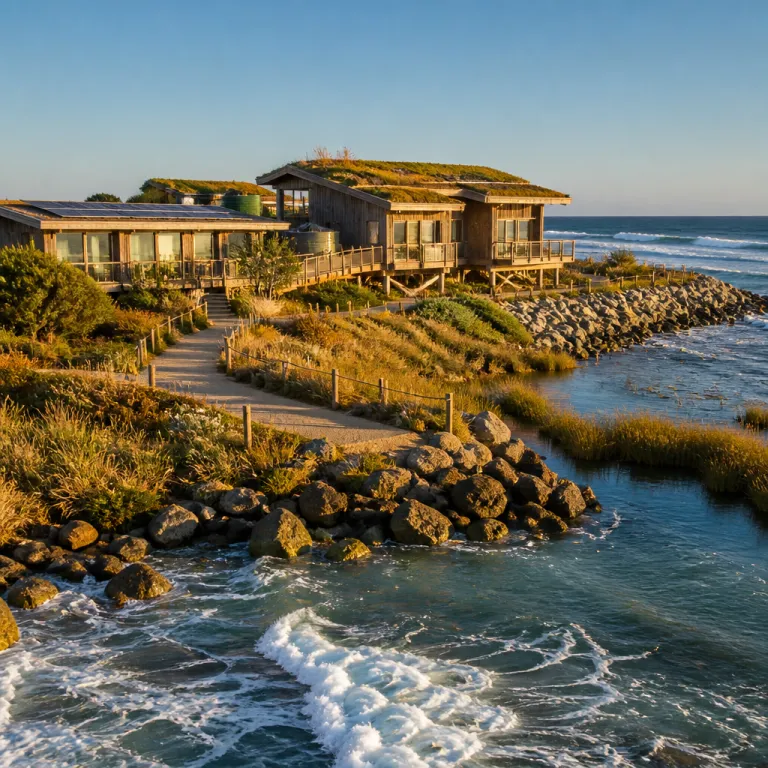
Why climate-resilient eco-hotel travel now defines modern luxury
Climate-resilient eco-hotel travel is no longer a niche preference for specialists. Families planning premium travel now weigh extreme heat, flooding risk and storm disruption alongside kids’ clubs, a spa and room categories, because weather patterns directly shape comfort and safety. With a growing share of hotels reporting operational disruptions from extreme weather, the luxury segment is quietly rewriting what a high end stay should guarantee.
Across leading eco hotels and green hotels, resilience means hard infrastructure as much as poetic sustainability pledges. Off grid energy systems, intelligent water management and buildings made from local materials are designed to keep a property operational when the grid fails, while also shrinking long term environmental impact and energy consumption. For parents comparing one friendly hotel with another, the question becomes simple ; which property can keep the lights on, the air cool and the pool safe when the forecast turns unpredictable ?
Climate proof hospitality also changes how we think about destination choice and tourism flows. Booking data shows that many travelers now shift their travel to cooler seasons or higher latitude regions, which rewards eco friendly hotels that already invested in efficient electricity solar systems and low impact heating. For a luxury hotel, resilience is therefore both a duty to the local community and a strategic advantage in a world where climate risk is now a core part of every family’s travel conversation.
Off grid design as quiet climate adaptation infrastructure
In serious climate-resilient eco-hotel travel, off grid design is not a marketing flourish ; it is the backbone of guest comfort during disruption. Properties that combine solar panels, geothermal loops, qanat inspired water channels and rammed earth walls can maintain stable temperatures and reliable water even when nearby hotels struggle. These systems reduce energy consumption and protect the surrounding ecosystem from unnecessary stress.
Consider how a remote eco resort on an island uses electricity from solar panels and battery storage to power suites, a spa and cold water filtration when storms cut the mainland line. By pairing electricity solar arrays with oil biofuel made from recycled kitchen oils or coconut oil, the resort can run essential services while keeping its carbon footprint lower than diesel dependent neighbors. Families may never see the inverters or panels coconut on the maintenance roof, yet they feel the difference when air conditioning, lighting and communications stay steady during a heatwave.
In Nordic and alpine hotels, geothermal wells and thick insulation replace diesel boilers and fragile air conditioning units. A property like Svart in Norway, designed to use up to 85 percent less energy than a conventional hotel, shows how architecture, local materials and renewable energy can work together to create both sustainability and resilience. For travelers comparing sustainable practices in different regions, guides to sustainable premium eco stays in places such as Australia now highlight off grid systems as clearly as they highlight design, because resilience has become a core marker of true luxury.
Destination shifts, cooler climates and new family travel patterns
As heatwaves intensify, climate-resilient eco-hotel travel increasingly pushes families toward cooler coastlines, higher mountains and Nordic landscapes. Parents who once defaulted to southern Mediterranean beaches in peak summer now look at northern islands, lakes and forest resorts, where temperatures stay manageable for children. This shift benefits eco friendly hotels that already built around low energy cooling, natural ventilation and shaded outdoor play areas.
In Iceland, for example, Black Sand Hotel uses geothermal energy and abundant cold water to provide stable heating, hot pools and reliable electricity even when storms sweep the coast. The property’s reliance on local energy sources reduces environmental impact while giving guests confidence that essential services will continue, which is especially reassuring for families with young children. Similar patterns appear in alpine green hotels, where snow melt water, small hydro systems and solar panels combine to create resilient infrastructure that supports year round tourism.
Destination choice also intersects with overtourism, as more travelers avoid overcrowded sites and seek quieter, nature focused regions. Climate aware families now ask whether a hotel supports local youth employment, uses local materials and manages food waste responsibly, because these practices signal deeper sustainability and social resilience. For those wanting to support regenerative tourism rather than extractive tourism, climate proof properties that give back more than they take are becoming the default choice for high value trips.
Inside the climate-resilient eco-hotel: from water systems to waste
Walk through a truly climate proof luxury hotel and you will notice that every system, from water to waste, has been rethought. Many eco properties now harvest rainwater, use underground storage inspired by qanat systems and rely on low flow fixtures to reduce water stress during droughts. These measures protect both the hotel and the local community, which often shares the same watershed.
Food waste is another quiet frontier of climate-resilient eco-hotel travel, because wasted food means wasted energy, water and transport emissions. Kitchens at leading eco friendly resorts track food waste carefully, redesign buffet layouts and repurpose surplus ingredients into staff meals or preserved products, which cuts both costs and environmental impact. When storms disrupt deliveries, these same systems and on site gardens help maintain menus without resorting to emergency imports with a heavy carbon footprint.
Waste management extends to materials and energy sources, where some island properties now experiment with oil biofuel derived from used cooking oils and coconut oil to back up their solar panels. Panels coconut shells can even be repurposed as biomass in carefully controlled systems, closing loops that once leaked pollution. Guests may simply see a friendly hotel that runs smoothly, yet behind the scenes, every bin, pipe and cable is part of a broader sustainability strategy designed to keep operations stable under climate stress.
Case studies: from French Polynesia to the Arctic circle
Nowhere illustrates climate-resilient eco-hotel travel more vividly than the islands of French Polynesia, where rising seas and powerful storms test every property. On Tetiaroa, The Brando resort, partly owned by the estate of Marlon Brando, has become a reference point for how a luxury hotel can pair indulgence with deep sustainability. The site uses seawater air conditioning, extensive solar panels and strict conservation rules to protect its lagoon while keeping guests comfortable during tropical extremes.
Families staying at this eco friendly island property see how energy, water and waste systems work together to reduce environmental impact without sacrificing comfort. The Brando resort employs local youth, sources food from nearby islands and builds with local materials where possible, which strengthens community resilience as well as the hotel’s own operations. Similar principles guide Soneva Fushi in the Maldives, where a strong focus on food waste reduction, renewable energy and marine conservation underpins the guest experience.
Across these examples, climate proof hospitality is not an abstract concept but a set of measurable design choices and operating standards. As one expert summary puts it, “What is a qanat system? An ancient underground channel for transporting water. How do eco-hotels use renewable energy? By installing solar panels and wind turbines. What materials are used in sustainable hotel construction? Rammed earth, recycled wood, and local stone.” For travelers comparing sustainability credentials, in depth guides to why the next wave of luxury hotels will compete on sustainability now sit alongside room photos and spa menus, because resilience has become part of the definition of true luxury.
How to choose a climate-resilient eco-hotel for your family
For parents planning climate-resilient eco-hotel travel, the selection process starts with a few precise questions. Ask how the hotel sources its energy, manages water and handles waste, and look for clear explanations rather than vague green slogans. Properties that openly share data on energy consumption, water use and food waste usually have the systems to back their claims.
Next, examine how the property supports the local community and landscape, because social resilience underpins operational resilience. A friendly hotel that trains local youth, builds with local materials and partners with conservation groups is more likely to protect its surroundings and maintain operations during crises. Check whether the resort has clear plans for extreme weather, from shaded play areas and cool indoor spaces to backup power and communication protocols for guests.
Finally, consider how the hotel fits into your broader travel footprint and values. Choosing eco certified hotels, supporting local sustainable practices and being mindful of resource usage during your stay can significantly reduce your carbon footprint while reinforcing positive tourism models. When families reward hotels that invest in genuine sustainability and climate adaptation, they help shift the entire sector toward hospitality that is both luxurious and future ready.
FAQ
How do eco-hotels use renewable energy during extreme weather events ?
Many eco hotels combine solar panels, wind turbines and backup systems such as batteries or carefully managed oil biofuel to maintain power when the main grid fails. By designing for lower overall energy consumption through insulation and efficient appliances, these properties need less backup capacity to keep essential services running. This approach protects guest comfort while reducing reliance on fossil fuels during climate related disruptions.
What is a qanat system and why does it matter for hotels ?
A qanat system is an ancient underground channel for transporting water from higher ground to arid areas using gravity rather than pumps. Some modern eco hotels adapt this principle through buried pipes and shaded channels that keep water cool and reduce evaporation losses. In dry regions facing more frequent droughts, such systems help secure reliable water supplies with minimal energy use.
How can I tell if a luxury hotel is genuinely sustainable and not greenwashing ?
Look for specific details about energy sources, water management, food waste reduction and building materials rather than generic eco language. Genuine green hotels usually publish sustainability reports, share measurable targets and explain how they work with local communities and environmental organizations. When in doubt, ask direct questions before booking and compare how clearly different properties respond.
Why are cooler climate destinations becoming more popular with families ?
Rising temperatures and more frequent heatwaves make some traditional summer destinations uncomfortable or unsafe for children. Cooler climate regions, from Nordic coasts to higher altitude lakes, offer milder conditions, reliable access to cold water activities and often stronger climate resilient infrastructure. Families also appreciate that many of these destinations host eco friendly hotels focused on nature, space and lower crowding.
What should families pack differently for climate-resilient eco-hotel travel ?
Beyond usual holiday essentials, families should bring refillable water bottles, lightweight layers for variable weather and sun protection suitable for stronger UV conditions. Reusable items such as snack boxes, shopping bags and toiletry containers help reduce waste at the destination and align with hotel sustainability efforts. It is also wise to carry offline copies of travel documents and emergency contacts in case extreme weather disrupts connectivity.