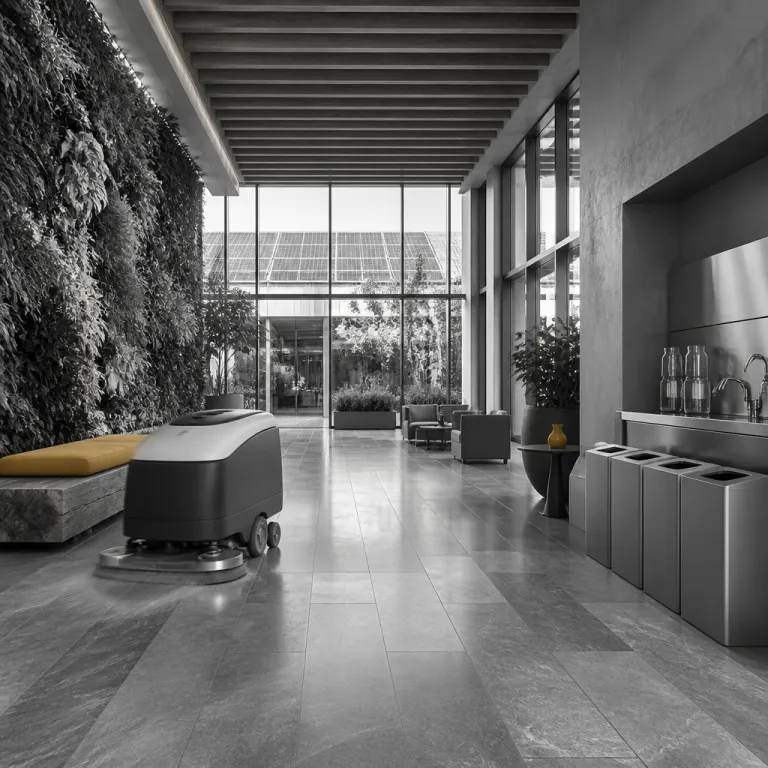
Eco-hotel pricing premium value and what your stay really funds
Eco-hotel pricing premium value starts with understanding where each euro goes. When a sustainable hotel in the Maldives charges a higher price than a conventional luxury hotel, that premium often funds renewable energy systems, on-site water treatment and serious waste management rather than marble lobbies. In many leading eco hotels, the visible luxury is matched by invisible investments in energy efficient technology that quietly reduce the carbon footprint of every hotel room.
Across Bali, Thailand and the Maldives, eco resorts frequently command a 20 to 30 percent premium in pricing. Industry analysts generally treat this as an indicative range rather than a fixed rule, but the pattern is clear: guests are not simply paying for a green label or a friendly hotel logo on a website. They are underwriting reef restoration projects, mangrove replanting, regenerative agriculture and plastic free operations that reshape the environmental impact of the entire hospitality industry. This is where hotel pricing becomes a form of value pricing, because the room rates reflect both the tangible comfort of the room and the long term sustainability benefits generated by the property.
For eco conscious guests, the cost of a premium hotel stay is increasingly evaluated against measurable sustainability outcomes rather than only the thread count or the size of the pool. A higher rate can feel justified when the hotel pricing strategy channels revenue into solar panels, on-site composting and partnerships with environmental organizations instead of generic marketing campaigns. In this context, the extra cost is not a vague green surcharge; it is a transparent signal that the hotel room you book is part of a broader sustainable tourism model.
From green promise to lived experience in luxury eco hotels
The gap between a green promise and a lived eco friendly experience is where eco-hotel pricing premium value is either confirmed or exposed. Research on market behavior shows that guests pay around 20 percent more for eco hotels to support sustainability and experience eco-friendly services, and that willingness rises when the stay feels effortlessly comfortable. When a hotel aligns its pricing strategies with meaningful sustainability, the premium becomes part of a coherent hospitality story rather than an abstract surcharge.
At high end eco hotels in Southeast Asia, the premium rate often includes low carbon transfers, locally sourced breakfasts and guided conservation activities that would be add-ons elsewhere. This is where dynamic pricing and carefully based pricing models can still feel fair, because guests see real time evidence of where their money goes, from reef safe spa products to community led excursions. The most persuasive eco-hotel pricing premium value appears when the guest journey, from booking to check out, is saturated with thoughtful, eco conscious details that never compromise comfort.
Recent analysis from Booking.com’s annual sustainable travel research indicates that more than half of travelers now seek accommodations that combine comfort with innovative sustainability, which reinforces the link between satisfaction, rate tolerance and repeat revenue. A peer reviewed study on Nature.com reports a positive correlation between guest satisfaction and willingness to pay a premium for green hotels, which echoes what many luxury operators already observe on the ground. For a deeper look at how top European properties are redefining eco luxury and hotel pricing, the editorial on the eco luxury shift in European hotels shows how sustainability and premium value now move in tandem.
What the 20–30 percent premium actually buys you
Eco-hotel pricing premium value becomes clearer when you unpack the line items behind a nightly rate. A sustainable hotel that runs on renewable energy, treats its own water and sources most ingredients from nearby farms carries a higher operational cost than a conventional property plugged into fossil fuel grids and global supply chains. That extra cost is reflected in hotel pricing, yet it also reduces long term environmental impact and often improves the sensory quality of your stay, from fresher food to quieter, energy efficient cooling.
In many leading eco friendly hotels, a portion of room revenue is earmarked for conservation programs, staff training and community projects that directly support sustainable travel. Guests might join reef restoration dives, tree planting walks or village led cultural experiences that exist because the hotel pricing strategy allocates a fixed percentage of room rates to these initiatives. When pricing strategies are communicated with this level of clarity, guests understand that their premium price funds both their own comfort and the wider sustainability of the destination.
Well designed eco spas illustrate this balance between indulgence, sustainability and value pricing particularly well. At properties that feature the kind of eco friendly spa brands highlighted in the guide to sustainable luxury spa travel, the higher rate for a treatment reflects plant based products, low energy facilities and fair labor practices. In such hotels, eco-hotel pricing premium value is not an abstract concept; it is felt in every glass of filtered water, every low waste ritual and every quiet, naturally ventilated relaxation room.
Where the value floor lies for eco conscious luxury guests
As sustainable tourism matures, the baseline expectations for an eco conscious guest have shifted dramatically. Many travelers now view certain green features as non negotiable, such as refillable amenities, visible recycling, reduced single use plastics and some form of renewable energy in the hotel’s mix. When these basics are missing, eco-hotel pricing premium value collapses, because the rate no longer matches the sustainability story.
For a premium hotel to justify higher room rates, the sustainability offer must go beyond symbolic gestures and into systemic change. Guests increasingly expect credible eco certifications, transparent reporting on carbon footprint and clear evidence that the hotel room they occupy is part of a wider environmental strategy rather than a marketing slogan. This is where hotel pricing intersects with trust, because a pricing strategy that claims to support sustainability must be backed by measurable reductions in energy use, waste and overall environmental impact.
Mid range friendly hotels can still compete in this landscape by focusing on smart, targeted investments rather than trying to mimic ultra luxury amenities. A smaller hotel that optimizes energy efficient lighting, partners with local farmers and uses value pricing to keep rates accessible can deliver strong eco-hotel pricing premium value without charging top tier prices. For many guests, the perception of value comes from seeing that every euro of cost is used thoughtfully, not from the absolute level of the rate.
How mid range and premium eco hotels can align pricing and impact
Eco-hotel pricing premium value is not reserved for remote island resorts with private reefs. Urban and regional hotels can also design hotel pricing strategies that connect each rate to tangible sustainability outcomes, whether through renewable energy contracts, low carbon menus or partnerships with third party conservation groups. The key is to align pricing strategy, guest communication and on-site practice so that every premium feels earned.
Dynamic pricing tools now allow hotels to adjust room rates in real time, yet the most respected eco hotels use these systems with restraint and transparency. Rather than chasing every last euro of revenue, they balance demand based pricing with value pricing principles, ensuring that loyal guests feel rewarded and that sustainable travel remains accessible outside peak seasons. This approach builds long term trust and encourages repeat booking, which in turn stabilizes revenue streams that fund ongoing sustainability investments.
For couples planning a romantic escape, the smartest way to evaluate eco-hotel pricing premium value is to look beyond glossy photos and into the operational detail. Examine how the hotel describes its energy use, waste systems and community relationships, then compare that to the cost of the hotel room and the overall rate structure. Guides such as the curated selection of Mallorca hotels with superior rooms that blend comfort and style can help you benchmark what thoughtful, sustainability aligned pricing looks like across different hotels and destinations.
FAQ
Why do guests pay more for eco hotels ?
Guests pay more when eco-hotel pricing premium value is clearly linked to real sustainability outcomes. As one expert summary puts it, "Why do guests pay more for eco-hotels? To support sustainability and experience eco-friendly services." When the higher price funds renewable energy, conservation and better working conditions, many guests view the premium as part of responsible travel rather than an optional extra.
What should I look for to judge eco-hotel pricing premium value ?
Start by examining how the hotel explains its sustainability practices and how these relate to pricing. Look for credible eco certifications, transparent information on carbon footprint and specific examples of renewable energy, waste reduction and community projects funded by room revenue. When these details are clear, you can better judge whether the rate reflects genuine environmental impact or just marketing language.
Are all green features worth paying a premium for ?
Not every green feature justifies a higher rate, because some practices are now considered basic hospitality standards. Simple steps such as recycling, refillable amenities and reduced plastic use should be part of any responsible hotel, regardless of price. Premium value is better reserved for deeper investments, such as on-site renewable energy, conservation programs and regenerative food systems that significantly change the environmental impact of your stay.
How can mid range hotels offer strong eco value without luxury prices ?
Mid range properties can focus on targeted, high impact measures that keep costs under control while still improving sustainability. Examples include energy efficient lighting, smart water systems, local sourcing and partnerships with third party environmental organizations that amplify each euro of revenue. By using thoughtful value pricing and communicating clearly, these hotels can deliver convincing eco-hotel pricing premium value without charging luxury level rates.
Does paying more always mean a lower carbon footprint ?
A higher rate does not automatically guarantee a lower carbon footprint, so it is important to look at the details. Some expensive hotels still rely heavily on fossil fuel energy and long supply chains, while more modest properties may operate with very low emissions. The most reliable indicator is not the price itself but how the hotel measures, reports and actively reduces its environmental impact over time.