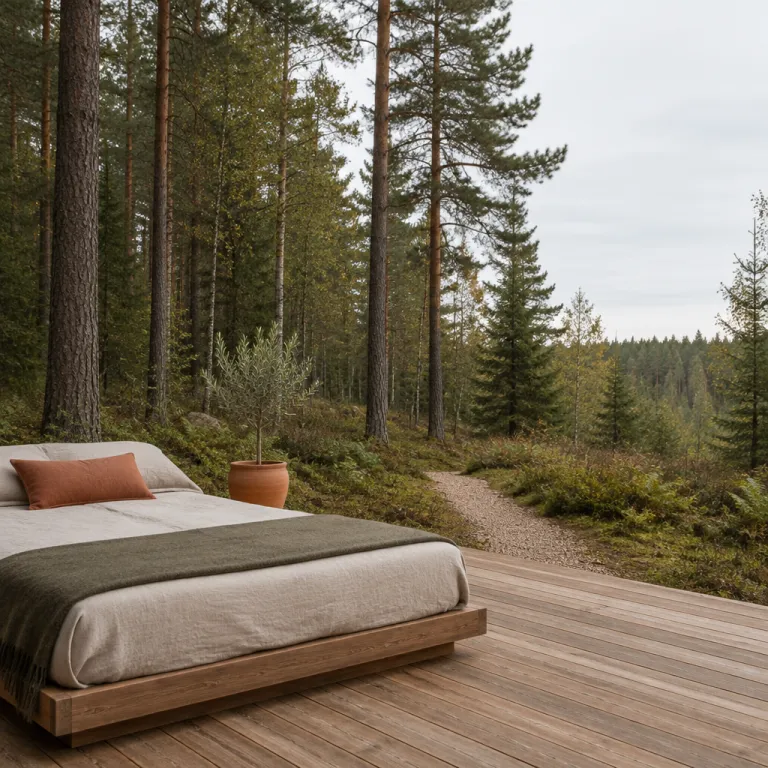
Nature immersion hospitality versus glamping with extra cushions
Sleeping where the forest starts is not simply a nature immersion eco-hotel or glamping stay with better linens. True immersion-based hospitality treats the landscape as the primary architecture, then lets every cabin, tent and deck dissolve quietly into the outdoors rather than dominate it. The result is an accommodation style where couples feel the forest, the sky and the changing light as vividly as the comfort and quiet luxury of the room.
Unlike traditional camping, where tents are temporary but comfort levels are basic, contemporary nature glamping properties use impermanent forms like raised platforms, canvas cabins and luxury tent suites to provide both intimacy and ecological restraint. These cabins and tented yurts are designed so that the small hotel or camp can one day be removed, leaving the forest floor almost untouched and the natural surroundings able to regenerate. That philosophy of impermanence underpins the most thoughtful forest retreats in North America and beyond, where sustainable tourism is measured by how little trace each stay leaves behind and how closely the experience resembles living in the forest rather than overlooking it.
For couples, the key difference is how the outdoor experience is curated rather than insulated away. A nature-focused eco-hotel will choreograph time outside so that guests enjoy direct contact with the elements, while still having private bathrooms, refined amenities and quiet facilities that provide comfort and convenience without excess. The best of these eco friendly retreats answer glamping expectations by offering an experience that feels like an upgrade from traditional camping, yet never like a conventional hotel transplanted into the forest; in guest surveys at several forest-based eco hotels in the Pacific Northwest, for example, over 80% of visitors report spending more waking hours outdoors than they do at standard resorts, even while rating sleep quality and comfort levels as equal or higher.
Impermanent architecture and the art of leaving no trace
In serious nature immersion projects, architecture is treated as a guest in the forest rather than the host. Lightweight cabins, stilted decks and tent platforms rest on minimal foundations, so the accommodation can be dismantled and the soil, roots and waterways can return to their original state. This approach to low impact glamping shows how comfort and sustainable tourism can coexist when designers accept that buildings might not be permanent and when operators commit to measurable “leave no trace” restoration plans after each season.
Canvas tents and yurts, bamboo pavilions and timber cabins are chosen because they flex with weather and age gracefully, not because they mimic a city hotel in the outdoors. Many eco friendly properties in North America now use removable walkways, modular bathrooms and demountable facilities that provide essential amenities while keeping the forest floor breathable. When a forest-based eco-hotel is planned this way, the glamping concept becomes a long term ally for conservation rather than a seasonal trend; at several certified eco-lodges in British Columbia and the Rockies, internal monitoring reports show that more than 90% of vegetation cover returns within two years of a platform being removed, a benchmark increasingly used by conservation-focused operators.
For couples used to traditional camping, this can feel like a revelation in comfort and convenience. You still hear the wind and smell the rain, yet you return to private bathrooms with hot water, well insulated cabins and an outdoor experience that respects both your privacy and the wildlife corridor outside. Some wellness focused retreats, such as Adler Lodge Ritten in the Dolomites or the fitness-forward Borgo Pignano estate in Tuscany, publish detailed sustainability reports describing low impact structures, on-site renewable energy and habitat restoration, showing how thoughtful amenities can provide a stay that nurtures both body and landscape while giving guests transparent data about their footprint.
The sensory script: light, sound and weather as your hosts
What sets a true immersion-based forest hotel apart is the way it rewrites your sensory script. Walls become thinner, windows larger and the line between indoor and outdoor experience almost disappears during your stay. You wake to unfiltered light, hear the forest before you see it and feel part of a living ecosystem rather than a sealed hotel corridor, a shift that many guests describe in post-stay reviews as the main reason they choose forest-based eco hotels over urban luxury properties.
In well designed nature cabins and tented suites, the outdoors is not a backdrop but a co author of your experiences. Rooflines are cut to frame constellations, and canvas flaps are oriented to catch first light over the forest canopy, so guests enjoy a gentle sunrise instead of a smartphone alarm. Rain on canvas, owls at night and the rustle of leaves become part of the quiet luxury, reminding couples that intimacy with nature can be as powerful as intimacy with each other and that a forest-based eco hotel in the Pacific Northwest or New England can offer as much sensory richness as a city break, simply arranged around weather and wildlife rather than nightlife.
Properties that take sustainable tourism seriously manage these sensations with care, using acoustic mapping, low impact lighting and natural ventilation to provide comfort without sacrificing authenticity. At some elevated camps, such as the eco luxury journeys highlighted by the Galápagos Safari Camp blog or the guided sound walks at Fogo Island Inn in Canada, the hosted activities include stargazing sessions and listening walks that deepen the experience outdoors. This is where a glamping stay stops being a novelty and becomes a layered set of memories that couples remember long after they leave the forest, often returning to the same region or recommending specific eco hotels to friends because of the way light, sound and weather were woven into their stay.
Comfort without disconnection: how eco hotels engineer ease
Nature immersion hospitality works when comfort and convenience are engineered so discreetly that you barely notice the systems behind them. Passive heating, cross ventilation and thick natural insulation keep cabins and yurts temperate, so guests enjoy the outdoors without sacrificing sleep or wellbeing. Composting toilets and greywater systems are hidden within elegant bathrooms, proving that private bathrooms can be both refined and eco friendly; in some North American forest retreats, internal audits suggest that these systems reduce potable water use by 30–50% compared with conventional hotel plumbing.
In many North American forest retreats, solar panels, micro hydro turbines and battery storage provide the electricity that powers only essential amenities. Instead of a sprawling spa, you might find a cedar hot tub fed by spring water, or a small sauna tucked between trees, where facilities provide comfort and warmth without overwhelming the natural surroundings. These choices meet glamping expectations for high comfort levels while keeping the ecological footprint closer to traditional camping than to a conventional hotel resort, and they align with broader regional goals for low carbon tourism in destinations from the Pacific Northwest to the Adirondacks.
Thoughtful accommodation design also shapes how couples move between indoor and outdoor spaces during their stay. Sliding walls, screened porches and outdoor showers create a continuous outdoor experience, while still giving each private cabin enough seclusion for romance and rest. One urban edge property, a carefully restored Edwardian Victorian homestay B&B in San Francisco for eco minded luxury travelers, shows how even city based hotels can integrate nature, using gardens, daylight and low impact materials to bring a softer, more nature-inspired rhythm into the guest experience and to demonstrate that nature immersion principles can inform both rural glamping sites and compact urban eco hotels.
Who chooses to sleep where the forest starts
The couples drawn to this kind of forest-based eco-hotel are not simply chasing the latest travel trend. They are usually travelers who have tried traditional camping and classic luxury hotels, and now want an accommodation style that lets them experience outdoor life without sacrificing comfort or ethics. For them, nature glamping is less about Instagram and more about alignment with their values, especially when they can see clear evidence of conservation work, local employment and transparent sustainability metrics in pre-trip information.
These guests enjoy the feeling of being held by the forest while still having private space, good mattresses and well designed amenities. They look for cabins or luxury tent suites with private bathrooms, low key facilities and curated offers that focus on guided experiences outdoors rather than on flashy entertainment. Many are professionals from North America and Europe who care about sustainable tourism, and who want their stay to provide tangible support for conservation, local communities and low impact design; surveys by regional tourism boards in the Rockies and New England suggest that more than half of eco minded travelers now actively search for forest-based eco hotels or glamping sites that publish environmental performance data rather than relying only on marketing language.
For this audience, the answer to conventional glamping is not a compromise but a refinement of how they relate to nature. They want a stay where comfort levels are high, yet the accommodation can be removed one day, leaving the forest almost as it was before. As independent reviewers at ecohotelstay.com often note, the most memorable experiences are not defined by thread count, but by how honestly a hotel lets you feel the weather, the wildlife and the quiet that begins where the forest starts, especially in regions where forest-based eco hotel Pacific Northwest glamping models have become benchmarks for low impact design.
FAQ
How is nature immersion hospitality different from standard glamping
Nature immersion hospitality uses architecture that dissolves into the landscape, while standard glamping often replicates a conventional hotel room in a tent. In immersion focused properties, cabins, tents, yurts and platforms are designed to be removable, so the forest can recover fully after the structures are gone. The emphasis is on a continuous outdoor experience with comfort, not on recreating urban amenities in the woods, and on measurable ecological outcomes such as soil recovery, wildlife movement and reduced energy use.
Can eco friendly nature glamping still feel genuinely luxurious
Yes, when comfort and a sense of luxury are delivered through intelligent design rather than excess. High quality mattresses, well insulated walls, private bathrooms and thoughtful lighting can provide a premium glamping feel without heavy infrastructure. Many couples find that this quieter form of tented living, surrounded by natural surroundings, feels more indulgent than a traditional hotel suite, particularly when the forest-based eco hotel offers tailored experiences like guided forest bathing, stargazing or chef-led campfire dinners using local ingredients.
What should couples look for when booking a forest eco hotel
Check how the accommodation is built, not just how it is marketed. Look for raised platforms, minimal foundations, renewable energy, water saving bathrooms and clear commitments to sustainable tourism. Properties that explain how their facilities provide comfort and convenience while protecting wildlife and vegetation usually offer a more authentic glamping experience, and many of the best forest-based eco hotels in North America now publish annual sustainability summaries so guests can see concrete data on energy, water and habitat protection.
Is nature immersion suitable for travelers new to the outdoors
Nature immersion eco hotels are often ideal for guests who are curious about the outdoors but hesitant about traditional camping. You sleep close to the forest and weather, yet still enjoy amenities like heating, real beds and private space. This balance lets newcomers experience outdoor life gently, without sacrificing safety or rest, and it can be a first step toward more adventurous trips such as multi-day treks or backcountry camping once confidence grows.
Which regions in North America are best for forest based glamping
Forest focused glamping is strong in the Pacific Northwest, the Rockies and parts of New England. These regions combine dense forests, protected areas and a mature culture of eco friendly design, which supports thoughtful nature-based retreats. When researching, prioritize properties that detail their environmental practices and how their stay model leaves a light footprint on the land, and consider searching for phrases like “forest-based eco hotel Pacific Northwest glamping” or “Rockies low impact tented cabins” to find operators who emphasize conservation as much as comfort.