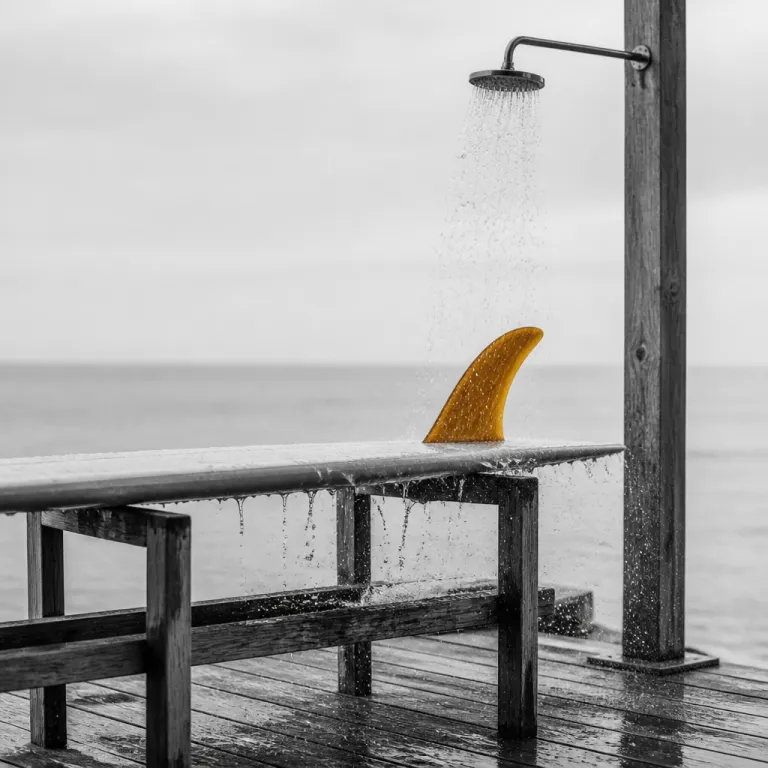
Remote eco surf resorts where waves meet refined comfort
Remote eco surf resorts where waves meet refined comfort
Remote eco surf resorts blend powerful surf with quiet seclusion. These coastal hideaways sit close to consistent waves yet protect fragile shorelines through careful design and low impact operations. For travellers planning a surf trip, they offer a rare balance between raw nature, measured luxury, and verifiable sustainability practices.
Globally, surf tourism remains a niche within beach travel, with specialist surf resorts and lodges clustered around established breaks in Indonesia, Central America, the Maldives, and the Pacific Islands.1 Academic work from the Center for Surf Research at San Diego State University notes that surf driven travel continues to expand in these regions, especially around well known reef passes and point breaks.2 Many of these surf focused properties now prioritise renewable energy, water saving systems, and native landscaping that frames every ocean view without scarring the coastline. When you compare different surf resorts, always check how clearly they publish sustainability reports, marine conservation work, and local community partnerships.
Eco focused surf resorts usually work with local surf school partners and certified surf coaching teams. These surf camps and individual surf house stays provide structured lessons, safety equipment, and guided access to nearby beach breaks or reef passes. For families or mixed ability groups, this combination of surf camp style coaching and resort level comfort keeps both surfers and non surfers satisfied and makes it easier to match each guest with the right surf conditions.
Choosing a remote surf resort in the Maldives, Sri Lanka, and Fiji
For many travellers, the Maldives defines the dream of remote surf resorts. A luxury resort in this island nation often sits on its own atoll, with a surf camp style programme that shuttles surfers by boat to uncrowded reef passes such as Pasta Point, Jailbreaks, and Sultans. When you evaluate any Maldivian surf resort, look for transparent pricing in United States dollars (USD), clear information about transfer times from Malé, and honest descriptions of wave difficulty and crowd levels.
Properties such as Six Senses Laamu and Niyama Private Islands show how high end eco design can coexist with serious surfing. These resorts typically use solar power, desalination plants, and careful waste management while still offering refined spa rituals and elevated dining. As of recent published rate ranges, entry level villas at these luxury resorts often start around USD 900–1,500 per night in shoulder seasons, rising significantly in peak periods. Couples seeking romantic eco retreats with consistent waves sometimes compare these Indian Ocean islands with the Big Sur coast in California, where romantic eco retreats along dramatic cliffs provide a different but equally atmospheric ocean setting.
Sri Lanka and Fiji offer another layer of choice for remote surf resorts with a softer price point in USD. In Sri Lanka, a small surf house near Ahangama or Hiriketiya can deliver warm water surfing, gentle beach breaks for intermediate surfers, and a relaxed surf camp atmosphere from roughly November to April on the south coast. Typical nightly rates for a mid range surf house or eco lodge often fall between USD 80 and USD 200, depending on season and inclusions. In Fiji, resorts near Cloudbreak and Restaurants illustrate how a resort spa can sit close to world famous reef passes while still protecting coral gardens and supporting village led conservation. Here, many surf packages bundle boat transfers to the breaks with accommodation, which helps clarify the real cost of chasing these iconic waves.
Eco surf resorts in Costa Rica and beyond for nature led escapes
Costa Rica has become a benchmark for eco friendly surf resorts that place conservation at the centre of the guest experience. Along the Pacific coast, from Nosara to Santa Teresa, you will find a mix of surf camps, refined surf house stays, and full service surf resort properties hidden in tropical forest. Many of these Costa Rica hotels use rainwater harvesting, grey water recycling, and reforestation projects to keep the surrounding beach and jungle healthy, often verified through national certification schemes such as the Certification for Sustainable Tourism (CST).
Travellers planning a surf trip to Costa Rica often compare nightly rates in USD with other eco destinations such as the Maldives or Fiji. A remote Costa Rica surf resort may not have the overwater villas of a Maldivian luxury resort, yet it can offer richer wildlife encounters, easier access to national parks, and more flexible stays for longer trips. For families, tools such as this detailed guide to eco hotel costs for a family of four by destination help frame realistic budgets for a longer surf trip.
Beyond Costa Rica, remote eco surf resorts now appear near conservation focused African coasts and island chains. Some of these properties mirror the ethos of African eco lodges that are rewriting the conservation playbook, as highlighted in this overview of safari season and eco lodges. On certain stretches of Mozambique or South Africa, for example, small surf lodges work with turtle monitoring projects and local fishers to reduce pressure on reefs. Whether you choose Costa Rica, Sri Lanka, or a lesser known coastline, always ask how your chosen surf resort supports local guides, marine research, and community education.
From surf camp energy to resort spa serenity
Remote eco surf resorts often blend the social energy of a surf camp with the calm of a resort spa. In practice, this means you might join group surf coaching at sunrise, then retreat to a quiet pool or yoga deck after the morning surf session. One traveller described paddling out in glassy, waist high waves as the sky turned pink, then soaking in an outdoor tub scented with local botanicals while howler monkeys called in the distance. The best properties design their public spaces so surfers can share stories about waves while non surfers enjoy privacy and a slower rhythm.
Many travellers start with a simple surf camp stay, then graduate to more refined surf resorts as their expectations for comfort evolve. A well run surf house can still feel luxurious when it offers high quality mattresses, thoughtful lighting, and locally sourced food, even if the room rate in USD remains accessible. One surf traveller described their first upgrade from a dorm style surf camp to a small eco lodge as “the moment surfing stopped feeling like a scramble and started feeling like a retreat.” At the top end, a remote luxury resort with a full resort spa may include private plunge pools, in room wellness rituals, and personalised surf coaching tailored to intermediate surfers and advanced riders.
When comparing these formats, ask how each surf resort manages group sizes in the water. A smaller surf camp that limits surfers per guide will usually provide safer, more attentive surf coaching than a larger operation chasing volume. For eco conscious guests, the most appealing surf resorts are those that cap occupancy to protect both the reef and the guest experience, even when demand and potential USD revenue could justify expansion.
Skill levels, surf coaching, and choosing the right waves
Matching your skill level to the right waves is the single most important decision when booking remote eco surf resorts. Beginners and intermediate surfers should prioritise locations with forgiving beach breaks and accessible surf school programmes, rather than heavy reef passes. Many surf resorts now publish detailed surf spot descriptions, including ideal swell directions, tide windows, and recommended experience levels, sometimes supported by links to regional surf forecasts and historical swell data.
Professional surf coaching at these resorts often includes video analysis, theory sessions, and safety briefings about rips and reef cuts. A structured surf school programme can turn a first surf trip into a confident progression, especially when combined with small group ratios and clear communication about ocean risks. For intermediate surfers, remote surf camps in Costa Rica, Sri Lanka, or Fiji can provide the perfect step up from crowded city beach breaks to more powerful but still manageable waves, with coaches helping guests read lineups and choose appropriate boards.
Some innovative surf resorts even experiment with artificial wave pools to guarantee consistent surfing conditions when the ocean goes flat. While these facilities can never fully replace the feeling of paddling into natural waves at sunrise, they offer a controlled environment for focused surf coaching and rapid skill development. Whether you stay in a simple surf house or a high end luxury resort, always ask for honest guidance about which surf spots suit your current ability and long term goals.
Pricing in USD, value, and what luxury really means off the grid
Remote eco surf resorts vary widely in price, and nightly rates in USD can range from modest to very high. A shared room in a relaxed surf camp or surf house in Costa Rica might start at a relatively low USD figure, often around USD 40–70 per person in low season, while a private villa in the Maldives with direct access to waves can cost several times more. When comparing options, look beyond the headline USD rate and examine what is included, from surf coaching to meals, transfers, and taxes.
True luxury in remote surf resorts often lies in space, silence, and thoughtful service rather than in gold plated finishes. A small luxury resort that limits guest numbers, protects its reef, and invests in local staff training can feel far more indulgent than a larger property with more facilities but less soul. For many surfers, the ability to paddle out with only a handful of people in sight, then return to a calm resort spa or shaded terrace with an uninterrupted view, defines value more than any room amenity list.
To assess whether a surf resort justifies its USD pricing, ask about staff to guest ratios, community projects, and long term environmental commitments. Properties that publish clear sustainability goals, measure their energy use, and support local education tend to deliver more meaningful stays. In remote locations, where supply chains are complex, this level of transparency signals a serious approach to both hospitality and stewardship.
Planning a remote eco surf trip with confidence
Planning a remote eco surf trip starts with honest reflection about your surfing goals and travel style. Decide whether you want an intensive surf camp experience with multiple daily sessions, or a slower paced stay at a surf resort where surfing shares time with wellness and cultural excursions. Once you know your priorities, you can filter surf resorts by wave type, travel time, and sustainability credentials.
Before confirming any booking, follow two simple but powerful guidelines from experienced operators in this niche. “Check surf conditions before booking” and “Inquire about equipment rentals” may sound basic, yet they prevent many disappointments and unnecessary baggage fees. Ask each surf resort for recent surf reports, typical seasonal patterns, and details about board availability, wetsuit needs, and safety equipment.
Finally, remember that remote eco surf resorts operate in fragile environments where your choices have visible impact. Choose airlines with better emissions policies when possible, pack reef safe sunscreen, and respect local customs on and off the beach. When surfers treat each trip as a partnership with their chosen surf resort, these wild coastlines stand a far better chance of remaining unspoiled for the next generation of wave riders.
Key figures about eco surf resorts
- Surf tourism has grown steadily over the past two decades, with dedicated surf camps and resorts emerging near established surf spots from Indonesia to Central America, according to research compiled by the Center for Surf Research at San Diego State University.2
- Many of these surf resorts now run year round, but peak seasons vary by location, so checking historical swell data and occupancy patterns helps travellers avoid crowded periods and secure better value.
- Remote eco surf resorts often partner with local surf schools and tourism boards, creating direct employment and indirect economic benefits that can significantly boost small coastal economies.
- Some innovative surf resorts have introduced artificial wave pools, providing consistent training environments that complement natural waves and extend the viable surfing season for guests.
Frequently asked questions about remote eco surf resorts
What is a surf resort and how does it differ from a standard hotel ?
A surf resort is a property located close to reliable surf spots that offers surf related amenities such as board rentals, guided sessions, and sometimes on site surf coaching. Unlike a standard hotel, the daily rhythm of a surf resort usually follows tide and swell patterns, with early breakfasts, flexible housekeeping, and storage for wet gear. Many eco focused surf resorts also integrate sustainability measures and local partnerships that go beyond typical coastal accommodation.
Do surf resorts provide equipment, or should I bring my own board ?
Many surf resorts provide a full range of surfboards for rental, from soft tops for beginners to performance shortboards and longboards for advanced surfers. If you are particular about your equipment, you may still prefer to travel with your own board, but always confirm airline fees and board bag policies in advance. For most intermediate surfers, renting on site at a surf resort is convenient and allows you to match board choice to the specific waves and conditions during your stay.
Are remote eco surf resorts suitable for beginners ?
Remote eco surf resorts can be very suitable for beginners when they sit near gentle beach breaks and work with qualified surf school instructors. Many properties design dedicated beginner programmes with small group sizes, soft boards, and clear safety briefings, which helps new surfers progress quickly and confidently. When enquiring, ask the resort to describe typical wave conditions and how they separate beginner lessons from more advanced sessions in the lineup.
How should I choose between destinations such as Costa Rica, the Maldives, and Sri Lanka ?
Your choice between Costa Rica, the Maldives, and Sri Lanka should reflect your budget in USD, desired wave type, and appetite for remoteness. Costa Rica offers strong eco credentials, varied surf spots, and relatively easy access from North America, while the Maldives delivers more isolated reef waves and higher average prices. Sri Lanka often provides a middle ground, with warm water, a mix of reef and beach breaks, and a growing range of eco conscious surf resorts at different comfort levels.
What questions should I ask before booking a remote eco surf resort ?
Before booking, ask about typical surf conditions for your travel dates, the level of surf coaching available, and how the resort manages safety in the water. You should also request details about sustainability practices, such as energy sources, water treatment, and community projects, to ensure the property aligns with your values. Finally, confirm what is included in the nightly rate in USD, from meals to transfers and surf equipment, so you can compare surf resorts on a like for like basis.
1 Surf tourism overview based on regional studies of surf driven travel in Indonesia, Central America, and the Pacific Islands.
2 Center for Surf Research, San Diego State University – academic work on surf tourism and surf resort development, including regional case studies and economic impact assessments.