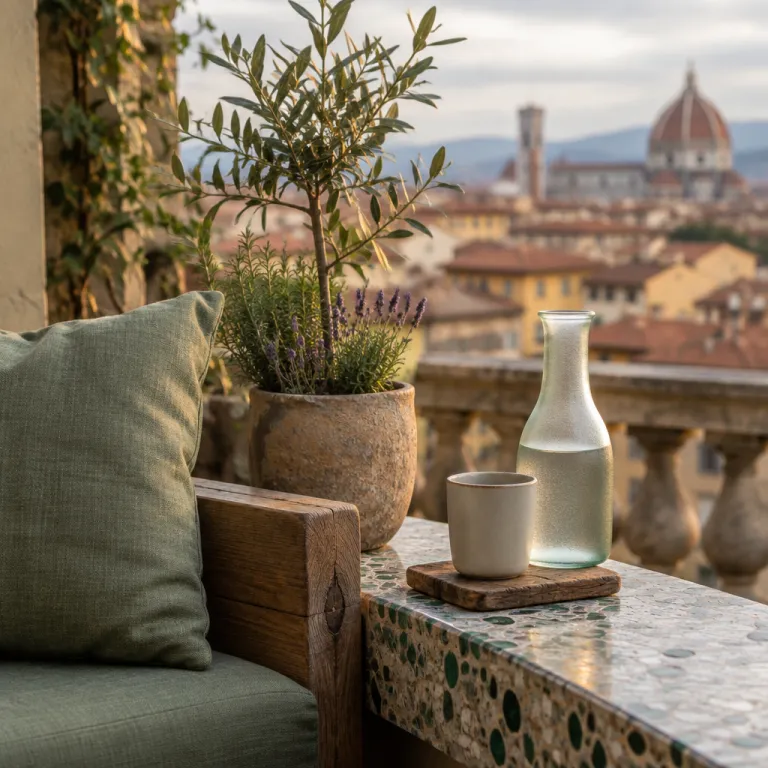
Why small hotels in Florence are ideal urban sanctuaries
Small hotels in Florence offer an intimate scale that suits thoughtful travelers. In this compact city of art, a carefully chosen base will shape how you move, eat, and breathe during your stay in Florence, Italy. Many of these petite properties now position themselves as quiet urban sanctuaries, balancing refined comfort with a lighter footprint on the city and its heritage.
When you book a small place to stay on a side street rather than a large property, you usually gain calmer rooms and a more personal connection with the équipe. This sense of place matters in Firenze, where every stone lane leads to a church, a courtyard, or a hidden view that feels uniquely Tuscan. Eco‑focused luxury hotels and intimate guesthouses across the historic center are increasingly transparent about energy use, water management, and sourcing, which allows you to check whether their practices align with your values before you confirm your booking.
Travelers comparing small‑scale accommodation in Florence often weigh budget, location, and sustainability in equal measure. A compact upscale address near Santa Maria Novella station, for example, reduces transfers and emissions while keeping you close to the monuments and the Arno river. Choosing these human‑scale places to stay also supports local suppliers, from organic Tuscan farms to artisans who furnish rooms, which strengthens the wider Tuscany community beyond the city walls.
Choosing the right eco conscious area in Florence
Location defines how you experience Florence, so start by mapping your priorities. If you want to walk everywhere, look for central hotels and guesthouses you can reach on foot from Piazza del Duomo, Santa Croce, and Ponte Vecchio, then check how the property manages traffic‑free access and luggage transfers. Staying in the historic core may cost more in terms of budget, yet it often reduces the need for taxis and public transport, which lowers your overall impact on Tuscany.
Near the basilica of Santa Maria Novella, you will find a mix of heritage addresses and contemporary eco‑minded properties. This area suits guests who arrive by train, because a hotel close to the station shortens your journey and makes it easier to plan low‑impact day trips into the countryside. Around Santa Croce and the Oltrarno district, many small hotels and B&Bs occupy restored townhouses or former artisans’ apartments, where the best owners highlight original stone, wood, and frescoes rather than replacing them. Places such as Hotel Santa Maria Novella or the intimate Velona’s Jungle Luxury Suites show how historic interiors can be refreshed with careful, low‑waste upgrades.
For travelers who enjoy a quieter stay, the residential streets behind Piazza della Signoria or near the Arno offer a softer city rhythm. Here, you might find a Firenze hotel that partners with local bike schemes, or a casa Firenze–style guesthouse that lends reusable water bottles and provides filtered water in shared spaces. When you research, look for clear hotel offers that explain insulation upgrades, efficient heating, and low‑flow fixtures, then book the properties that share measurable data rather than vague promises, much like the transparency seen in refined eco‑minded stays in Reykjavik described on this eco luxury city hotel review.
Eco luxury inside historic walls: rooms, views, and materials
Once you have chosen your neighborhood, focus on what happens inside the rooms. Many boutique hotels in Florence occupy centuries‑old palazzi, so the way they renovate these spaces reveals their respect for both the city and Tuscany as a whole. Look for a property that preserves original beams and terrazzo floors while adding efficient glazing, so you enjoy a quiet stay with a softened view over tiled roofs or hidden courtyards.
Room descriptions on booking pages should go beyond style and mention materials, such as organic cotton linens, low‑VOC paints, and responsibly sourced wood. When a luxury hotel in Florence explains how it manages heating and cooling in thick‑walled buildings, you can better judge whether your stay will be comfortable without wasting energy in Italy. Some of the best small‑scale places to stay now provide refillable amenities, filtered water stations, and clear recycling points, which reduce single‑use plastics without compromising the elegance expected from luxury hotels in a city like Firenze.
Guests who value skyline panoramas can seek a small hotel with a shared terrace rather than insisting on private balconies in all rooms. A thoughtful property might offer a communal roof space with a sweeping view of the Duomo and Santa Maria del Fiore, while keeping most rooms compact to limit energy use. When you compare options across the city, read the view details carefully, then check whether the hotel offers incentives for low‑impact choices, such as opting out of daily linen changes, just as some eco‑minded luxury hotels in New York highlight in this sustainable city hotel review.
From apartments to villas: when small scale feels truly sustainable
Not every traveler needs a traditional hotel, and Florence responds with varied small‑scale options. You can book serviced apartments in restored townhouses, a compact villa on the city fringe, or a casa Firenze–style guest residence that blends home comforts with hotel‑level services. These alternatives to standard hotels across Florence can reduce shared corridor traffic, concentrate housekeeping, and sometimes offer better natural light and ventilation.
Eco‑conscious travelers often compare a central hotel address with a short‑term apartment rental to understand which option supports the city more responsibly. Licensed apartments and a regulated villa within Florence usually contribute taxes and follow energy rules, while unregulated rentals can strain housing availability for residents. When you examine each listing, check whether the host explains insulation, heating systems, and waste separation, then choose the stay that treats both the building and the neighborhood with care.
On the outskirts, a detailed villa listing might tempt you with gardens and a wider Tuscan view, yet distance from the center can increase car use. If you prefer to explore Italy and Tuscany by train and bus, a small hotel near Santa Maria Novella station or a Firenze hotel close to tram lines may be the better choice. For inspiration on how rural darkness and low light pollution can enhance a stay, look at this guide to dark sky eco lodges, then apply the same thinking to how much artificial light your chosen place will emit into the Florentine night.
Iconic quarters: Santa Croce, Ponte Vecchio, and hidden retreats
Each historic quarter of Florence offers a different rhythm, and small hotels reflect these nuances. Around Santa Croce, you will find intimate places that guests choose for artisan workshops, riverside walks, and easy access to the Biblioteca Nazionale. Here, a small hotel that supports local leatherworkers and goldsmiths can turn your stay into a direct contribution to the city’s living crafts. Address names such as Soprarno Suites or AdAstra, for example, show how restored residences can host guests while still commissioning work from neighborhood makers.
Near Ponte Vecchio, space is tight and demand is high, so eco‑minded travelers should read every hotel offers page with care. A luxury hotel overlooking the Arno may advertise the best view in Florence, yet you will want to check how it manages energy, laundry, and waste before you book. Some of the most responsible small hotels in Florence limit car access, encourage walking, and partner with Tuscan food producers, which keeps your budget focused on experiences that benefit the region rather than on unnecessary transfers.
In quieter streets behind Piazza della Repubblica, you may encounter names such as Ottantotto Firenze or other characterful addresses that occupy former residences. While some marketing still uses the term boutique hotels, the most forward‑thinking owners now emphasize sustainability credentials, from solar panels to rainwater collection. When you compare a Firenze hotel in this area with a casa Firenze–style guesthouse elsewhere, balance the charm of the place with its environmental commitments, and always check whether the booking conditions allow flexible changes in case your travel plans shift.
Smart booking strategies for eco minded luxury in Florence
Thoughtful booking decisions can make your stay in Florence both more sustainable and more rewarding. Start by defining your budget, then shortlist small hotels travelers praise for service, location, and clear sustainability reporting. Once you have a few names, check each hotel’s own website directly, because many luxury properties share their most detailed environmental data and special offers there rather than on third‑party platforms.
When you are ready to book, look for transparent cancellation policies, clear room descriptions, and honest view details that match the photos. Properties such as a Firenze hotel near Santa Maria Novella or a casa Firenze guesthouse in Oltrarno often provide room‑by‑room breakdowns, which helps you choose the exact place that suits your needs. Pay attention to whether the hotel uses renewable energy, offers plant‑forward menus with Tuscan ingredients, and trains its équipe to reduce waste, because these elements influence the real impact of your stay on the region.
To make the process easier, keep a simple checklist: ask which certifications the hotel holds (for example, GSTC‑recognised schemes, Green Key, or Green Globe), how much of its electricity comes from renewable sources, whether rooms have key‑card or sensor‑based energy controls, and how often linens are changed by default. Some travelers like to align their Florence visit with wider Tuscan itineraries, combining a few nights in the city with time in rural villas or agriturismi. In this case, a small hotel near transport hubs such as Santa Maria Novella or close to the tram for the airport can simplify your route and reduce transfers.
Key figures on sustainable stays in Florence and beyond
- The Global Sustainable Tourism Council (GSTC) reports that certified sustainable hotels can reduce energy use by up to 25 percent compared with similar uncertified properties, which highlights the value of checking eco labels when you book small hotels in Florence. See the GSTC criteria and case studies at gstcouncil.org.
- According to data from the European Environment Agency (EEA), buildings account for around 40 percent of energy consumption in the European Union, so the way a hotel in Florence insulates and heats its rooms has a direct impact on emissions in Tuscany. The EEA’s reports on energy use in buildings are available at eea.europa.eu.
- Research by Booking.com in its 2023 Sustainable Travel Report indicates that more than 70 percent of global travelers want to book more sustainable accommodation, a trend that supports the growth of eco‑focused luxury hotels and small properties in Florence that guests can choose with confidence. The full report can be consulted via the Booking.com corporate website.
- The Italian National Institute of Statistics (ISTAT) notes that Tuscany remains one of the most visited regions in Italy, which means that even small efficiency gains in hotels across Florence can translate into significant environmental benefits over time. Tourism statistics and regional breakdowns are published on istat.it.
FAQ about small eco conscious hotels in Florence
Are small hotels in Florence more sustainable than large properties ?
Smaller hotels in Florence often have more flexibility to upgrade systems, source locally, and train staff closely, which can lead to better sustainability performance. However, some large luxury hotels also invest heavily in efficiency, so you should always check each property’s environmental policies rather than assuming size alone guarantees greener operations.
Which areas of Florence are best for car free stays ?
Districts around the Duomo, Santa Croce, and the Oltrarno near Ponte Vecchio are ideal for walking, with many sights reachable within 1 to 2 kilometres. Choosing a small hotel near Santa Maria Novella station also allows easy access by train and tram, which reduces the need for taxis or rental cars.
How can I verify the eco claims of a hotel in Florence ?
Look for third‑party certifications such as GSTC‑recognised labels, Green Key, or Green Globe, read sustainability sections on the hotel website, and ask specific questions about energy sources, water‑saving measures, and waste management. Genuine eco‑conscious hotels across Florence will usually share concrete data and examples rather than vague marketing phrases.
Is it better to stay in an apartment or a hotel for sustainability ?
Both apartments and hotels in Florence can be sustainable if they follow regulations, manage energy efficiently, and support local communities. Licensed apartments and regulated small hotels that travelers choose should provide information on heating, insulation, and recycling, so you can compare and select the option that aligns best with your values.
How far in advance should I book small eco friendly hotels in Florence ?
For peak periods and major events, it is wise to book small hotels in Florence several months ahead, because the most sustainable and well‑located properties often sell out first. Early booking also gives you more time to check details, adjust dates, and coordinate low‑impact transport options for your wider Tuscany itinerary.