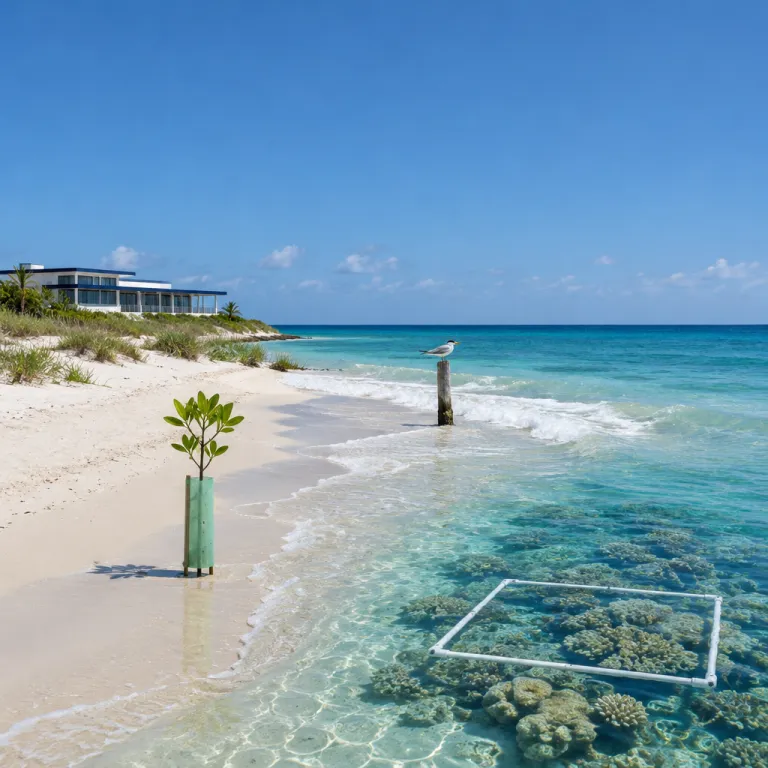
How eco hotels turn family holidays into living laboratories
On the best eco hotel platforms, hands-on conservation and citizen science are not side activities but the quiet heart of the stay. Your family might arrive expecting a pool and kids’ club, then find clipboards, GPS tags, and a marine biologist from a partner NGO such as the Manta Trust or Olive Ridley Project waiting on the jetty for a coral reef survey. That shift from passive leisure to active learning is what separates genuinely sustainable resorts from green marketing.
Citizen science at these hotels usually starts with simple, guided tasks that fit easily into a day by the sea or on an island. You might help record marine life along a shallow coral reef, log bird species around a mangrove boardwalk, or join a tree planting project that restores native nature on degraded slopes. The eco-hotel conservation and guest participation model works because biologists design the protocols while guests supply time, curiosity, and many extra pairs of eyes.
Families quickly see how their holiday data feeds into long term conservation and climate action rather than staying in a photo album. At properties aligned with a serious environmental foundation, every coral fragment planted or bird sighting logged is entered into marine biology or environmental education databases used by researchers and local communities. When you book through a luxury and premium eco hotel site that vets hotels for measurable restoration projects, your stay becomes part of a wider sustainable tourism network instead of an isolated trip.
From coral reef transects to turtle nests: what citizen science looks like
On a Maldivian island such as Six Senses Laamu, the eco-hotel conservation and citizen science framework often begins on the house reef. Guests snorkel short transects with marine biologists, counting coral colonies, noting bleaching, and recording fish species that indicate reef health. Children learn to distinguish branching coral from boulder coral while understanding why ocean conservation and climate resilience are inseparable.
At Coco Palm Dhuni Kolhu, the resident marine biologist may invite families to assist with sea turtle nest monitoring along the palm lined beach. You help measure tracks, log GPS positions, and record hatchling success, feeding data into regional marine life and species protection projects coordinated with local communities and partners such as the Olive Ridley Project. These same hotels often pair turtle work with coral restoration sessions, where guests attach coral fragments to frames that will later rebuild damaged coral reef gardens; at some properties, more than 10,000 fragments have been outplanted with survival rates above 70 percent after one year.
Citizen science is not limited to the Indian Ocean; in Key West, certain sustainable resorts partner with marine biology centers like Mote Marine Laboratory so guests can join water quality testing and seagrass monitoring. A well designed eco-hotel conservation and guest science schedule might include morning reef checks, afternoon bird surveys, and evening talks on climate action trends in coastal communities. When you browse a curated guide to luxury and premium sustainable stays, such as an online overview of the best eco resorts, look for properties that publish their conservation data and explain exactly how guest observations are used.
Forest plots, bird surveys, and the quiet drama of rewilding
Not every impactful eco-hotel conservation experience happens underwater. On forested islands like Thanda Island or inland eco resorts with reforestation projects, families join guided walks to plant native trees and tag them for long term monitoring. Each sapling is entered into a project database that tracks survival rates, carbon storage estimates, and the return of bird and insect species; some lodges now report more than 15,000 trees planted with five year survival above 60 percent.
Bird surveys are another elegant way hotels weave conservation into slow mornings and sunset strolls. Guests receive binoculars, field guides, and simple data sheets, then help record seasonal movements that inform environmental education programs for local schools. When a property links these bird counts to a regional environmental foundation or bird observatory, your sightings can influence land use planning and habitat restoration beyond the resort boundaries.
Some hotels pair forest work with wellness, turning a spa retreat into a deeper immersion in nature and sustainable tourism. A stay at an eco friendly spa property in Hoi An, for example, can combine riverbank tree planting, bird listening walks, and green design that keeps energy use low. When you read about an eco friendly hotel spa experience that highlights conservation impact alongside treatments, you are seeing how citizen science and restoration can sit comfortably within premium hospitality.
Designing science for families: rigor without intimidation
The most effective eco-hotel conservation and citizen science schemes are built backwards from scientific needs, then translated into guest friendly steps. Marine biologists and terrestrial biologists define the environmental questions first, such as coral recovery rates or forest regeneration speed, and only then design activities that children and adults can complete safely. This scientific backbone distinguishes serious conservation action from feel good voluntourism.
For families, accessibility matters as much as rigor, especially when younger children are involved. Good guides break down marine biology concepts into stories about individual marine life characters, turning a parrotfish or reef shark into an ambassador for ocean conservation. On land, environmental education walks might use simple games to explain climate patterns, green building choices, and why local communities are central to any sustainable project.
Luxury eco hotels that take this balance seriously often invest in specialist staff and training. A resort might employ a full time marine biologist, a conservation manager, and educators who can adapt activities to different ages and abilities. As Dr. Irene Ziegler, a marine scientist at Six Senses Laamu, notes, “When children help us count fish or measure coral growth, they are contributing real data to our long term monitoring.” When you evaluate essential amenities that make eco luxury hotels truly family friendly, look beyond kids’ menus and pools to see whether the property offers structured citizen science, clear safety protocols, and transparent reporting of conservation results.
Choosing hotels where your stay funds real conservation
For eco conscious families using a luxury booking site, the challenge is separating genuine eco-hotel conservation and citizen science work from staged photo opportunities. Start by checking whether the hotel partners with a recognized environmental foundation or research institution and whether marine or forest projects are described in specific, measurable terms. Properties that publish annual conservation reports, list collaborating biologists, and share long term datasets, such as five year coral cover trends or the number of turtle nests monitored each season, usually take their commitments seriously.
Look closely at how the hotel talks about local communities and climate action. Meaningful programs pay local guides and marine biologists fairly, support environmental education in nearby schools, and align with regional sustainable tourism plans rather than operating as isolated green enclaves. When a resort highlights coral restoration, ocean conservation, or forest restoration, ask whether local communities helped design the project and whether guest fees contribute directly to ongoing monitoring.
Finally, consider how the experience will feel for your family over several days, not just one excursion. The most rewarding stays weave citizen science into daily rhythms, from early bird counts to night sky observations that link climate and navigation, without sacrificing comfort or privacy. When your children leave knowing the name of the marine biologist, the story of a specific coral reef, and the impact of their own data points, your holiday has quietly become part of a much larger conservation story.
FAQ
How can I tell if an eco hotel’s citizen science program is legitimate ?
Look for clear partnerships with universities, NGOs, or a recognized environmental foundation, and check whether the hotel publishes data or reports from its eco-hotel conservation and citizen science work. Legitimate programs describe specific methods, such as coral reef transects or bird point counts, and explain how guest data feeds into wider conservation or climate action projects. If activities are vague, purely promotional, or lack any mention of biologists or long term monitoring, treat them with caution.
Do I need scientific experience to join these conservation activities ?
No prior expertise is required, because marine biologists and guides design protocols that are simple, safe, and easy to learn in a short briefing. Families typically receive clear instructions, visual aids, and supervision during tasks such as coral restoration, turtle nest monitoring, or tree planting. The goal is to maintain scientific quality while making participation enjoyable for guests of all ages.
Are these programs suitable for young children ?
Many eco hotels tailor environmental education and citizen science to different age groups, offering shallow reef snorkels, beach cleanups, or forest walks for younger children. Activities are usually shorter, more playful, and focused on sensory experiences with nature rather than detailed data collection. When booking, ask the hotel which eco-hotel conservation and citizen science options are designed specifically for families and what age ranges they recommend.
How does my participation actually help conservation efforts ?
Your observations and simple measurements expand the amount of data that conservation teams can collect across reefs, forests, and coastal zones. When properly validated by biologists, this information supports decisions on marine protected areas, habitat restoration, and sustainable tourism planning with local communities. In many hotels, a portion of your room rate or activity fee also funds equipment, staff salaries, and long term monitoring for the same projects.
What should I pack for a citizen science focused eco hotel stay ?
Bring reef safe sunscreen, a reusable water bottle, and if possible your own mask and snorkel for marine activities. Lightweight long sleeved clothing, a hat, and closed shoes are useful for forest surveys, tree planting, or visits to local communities. A small waterproof notebook or a phone with offline note taking can help your family record observations during eco-hotel conservation and citizen science sessions.