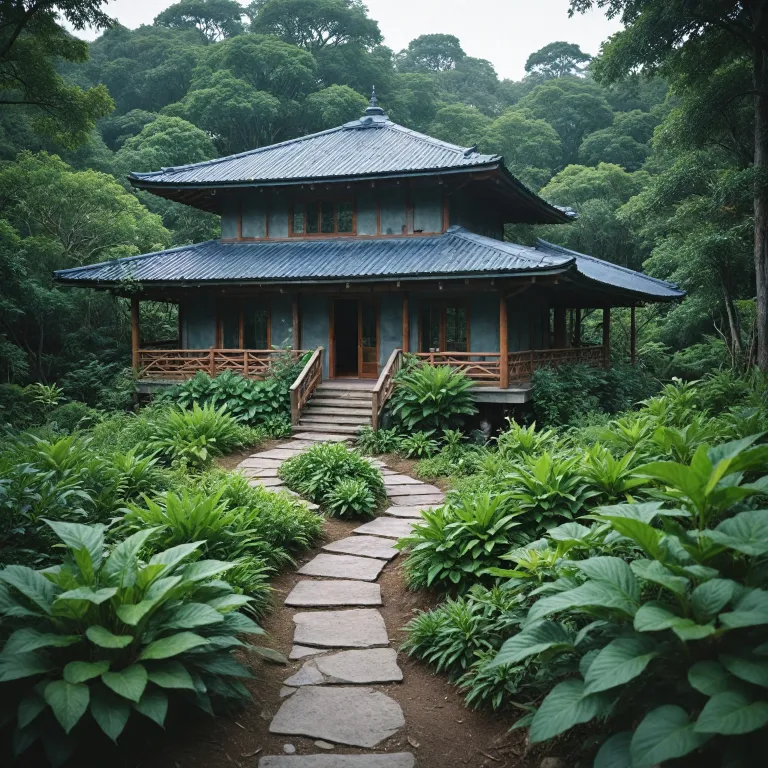
The evolution of luxe sustainable living in premium eco hotels
Luxe sustainable living has transformed the landscape of premium travel, merging the allure of luxury with a deep commitment to environmental responsibility. Modern luxury hotels are no longer defined solely by opulence but by their ability to integrate sustainable design, eco friendly materials, and energy efficient technologies. This shift is driven by travelers who seek both comfort and a reduced environmental impact during their stays. The rise of sustainable luxury is evident in the adoption of green building practices, with many luxury homes and hotels now featuring natural materials, advanced energy systems, and waste reduction strategies.
Design practices in luxury real estate now prioritize sustainability, blending aesthetic appeal with eco conscious choices. From cort furniture rental options to the use of cort furniture crafted from recycled materials, the industry is embracing innovative solutions that support both luxury living and environmental stewardship. The integration of biophilic design elements, such as living walls and natural light, enhances the guest experience while promoting wellness and sustainability. These trends reflect a broader movement towards sustainable luxury, where every aspect of the guest journey is curated with environmental responsibility in mind.
Leading brands and designers, such as Gabriela Hearst and Riley Studio, have set new standards for sustainable luxury by championing eco friendly materials and ethical production methods. Their influence extends beyond fashion into the realm of luxury travel, inspiring hotels to adopt similar principles. As a result, travelers can now enjoy modern luxury accommodations that align with their values, offering a seamless blend of comfort, style, and sustainability.
Innovative sustainable design practices in luxury accommodations
Premium eco hotels are at the forefront of sustainable design, incorporating advanced technologies and materials to minimize their environmental impact. Sustainable luxury is achieved through the use of energy efficient systems, such as solar panels and geothermal heating, which significantly reduce energy consumption. These hotels often feature modern luxury interiors with cort furniture rental options, allowing guests to experience high end design without contributing to waste. The use of eco friendly materials, including bamboo flooring and reclaimed wood, further enhances the sustainability of these spaces.
Environmental responsibility is embedded in every aspect of the design process, from the selection of natural materials to the implementation of water conservation strategies. Modern luxury accommodations prioritize the health and well-being of guests by integrating biophilic design elements, such as indoor gardens and natural ventilation. These features not only improve air quality but also create a calming, nature-inspired atmosphere that defines luxe living. Sustainability is no longer an afterthought but a core component of the luxury experience.
For travelers seeking long term stays, luxury homes and hotels offer flexible rental options that support sustainable living. The integration of smart home technologies enables guests to monitor and reduce their energy usage, contributing to a greener stay. To learn more about the latest trends in sustainable luxury accommodations, visit the premium eco hotel design resource for expert insights and inspiration.
The role of eco friendly materials and furniture in sustainable luxury
The selection of materials and furniture plays a crucial role in defining the sustainability of luxury accommodations. Eco friendly materials, such as organic cotton, recycled fabrics, and sustainably sourced wood, are now standard in the design of luxury homes and hotels. Cort furniture, known for its commitment to sustainability, offers rental solutions that reduce waste and promote circularity. By choosing cort furniture rental, hotels can refresh their interiors regularly without contributing to landfill, supporting both luxury living and environmental responsibility.
Modern luxury design emphasizes the use of natural materials that are both durable and aesthetically pleasing. The incorporation of green elements, such as living walls and indoor plants, enhances the connection between guests and nature. Sustainable design practices also extend to the selection of finishes and fixtures, with a focus on low VOC paints and energy efficient lighting. These choices reflect a commitment to sustainability that resonates with eco conscious travelers.
Luxury real estate developers are increasingly prioritizing the environmental impact of their projects, opting for materials and construction methods that minimize waste and energy consumption. The result is a new standard of sustainable luxury, where every detail is carefully considered to support luxe sustainable living. For a deeper understanding of how eco friendly materials are shaping the future of luxury accommodations, explore the sustainable materials guide for practical tips and recommendations.
Energy efficiency and smart technology in modern luxury hotels
Energy efficiency is a cornerstone of luxe sustainable living, particularly in the context of premium eco hotels. The integration of smart technology allows hotels to optimize their energy usage, reducing costs and environmental impact without compromising on comfort. Energy efficient systems, such as automated lighting, climate control, and renewable energy sources, are now standard features in modern luxury accommodations. These innovations enable hotels to achieve net zero energy consumption, setting a new benchmark for sustainability in the industry.
Smart home technologies also enhance the guest experience by providing personalized control over room settings, ensuring optimal comfort while minimizing energy waste. The use of advanced materials, such as high performance insulation and triple glazed windows, further improves the energy efficiency of luxury homes and hotels. Environmental responsibility is reinforced through the adoption of water conservation measures, including rainwater harvesting and greywater recycling, which reduce the overall environmental impact of the property.
The commitment to sustainability extends beyond the physical infrastructure, with many hotels partnering with environmental organizations to promote green initiatives. These collaborations support the broader goals of sustainable luxury, fostering a culture of environmental stewardship among staff and guests alike. As the demand for eco conscious travel continues to grow, energy efficient and smart technologies will remain central to the evolution of luxe living in the hospitality sector.
Long term impact of sustainable luxury on real estate and travel
The adoption of sustainable luxury practices is reshaping the real estate and travel industries, setting new standards for environmental responsibility and design excellence. Luxury real estate developers are increasingly focused on creating homes and hotels that prioritize sustainability, from the initial design phase to ongoing operations. This shift is driven by consumer demand for eco friendly accommodations that offer both comfort and a reduced environmental footprint. The result is a new generation of luxury homes and hotels that embody the principles of luxe sustainable living.
Environmental impact is a key consideration in the development of modern luxury properties, with a focus on minimizing waste, reducing energy consumption, and supporting local ecosystems. The use of sustainable materials, energy efficient systems, and green building practices ensures that these properties meet the highest standards of environmental responsibility. As a result, luxury living is now synonymous with sustainability, offering travelers the opportunity to enjoy premium experiences without compromising their values.
The long term benefits of sustainable luxury extend beyond individual properties, influencing industry standards and inspiring other sectors to adopt similar practices. As more travelers seek out eco conscious accommodations, the demand for sustainable luxury will continue to grow, driving innovation and raising the bar for environmental stewardship in the hospitality industry. "Luxe sustainable living refers to a lifestyle that combines high-end luxury with environmentally responsible practices, emphasizing quality, aesthetics, and sustainability."
Leading pioneers and future trends in luxe sustainable living
Several pioneers have shaped the evolution of luxe sustainable living, setting benchmarks for the integration of luxury and sustainability. Gabriela Hearst, founder and designer, has championed the use of eco conscious materials in fashion and design, inspiring a new generation of luxury brands. Rêve En Vert and Riley Studio have redefined sustainable luxury by offering high end products that prioritize environmental responsibility and ethical production. Living Vehicle has introduced self-sustainable trailers that exemplify modern luxury and off-grid living, while Timothy Han has advanced sustainable luxury in the fragrance industry.
These innovators have demonstrated that sustainable design and luxury are not mutually exclusive but can coexist harmoniously. Their work has influenced the hospitality sector, encouraging hotels to adopt sustainable practices and offer eco friendly accommodations. The future of luxe sustainable living lies in the continued integration of advanced technologies, sustainable materials, and circular design principles. As consumer awareness grows, the demand for sustainable luxury experiences will shape the direction of the industry.
Emerging trends include the use of biophilic design to connect guests with nature, the adoption of net zero energy systems, and the expansion of furniture rental services to reduce waste. The focus on environmental impact and sustainability will remain central to the evolution of luxury living, ensuring that premium travel experiences are both responsible and rewarding.
Key statistics on luxe sustainable living in premium eco hotels
- Increase in LEED Platinum-certified residences: 38% (U.S. Green Building Council’s annual review)
- Reduction in household emissions by net-zero homes compared to traditional luxury estates: 80% (International Energy Agency)
Frequently asked questions about luxe sustainable living in eco hotels
What is luxe sustainable living?
Luxe sustainable living refers to a lifestyle that combines high-end luxury with environmentally responsible practices, emphasizing quality, aesthetics, and sustainability.
What are some features of sustainable luxury homes?
Sustainable luxury homes often include features like net-zero energy systems, smart home technologies, sustainable materials, biophilic design elements, and water conservation strategies.
How does biophilic design contribute to sustainable luxury living?
Biophilic design enhances sustainable luxury living by incorporating natural elements into indoor spaces, improving air quality, reducing energy costs, and promoting mental well-being.