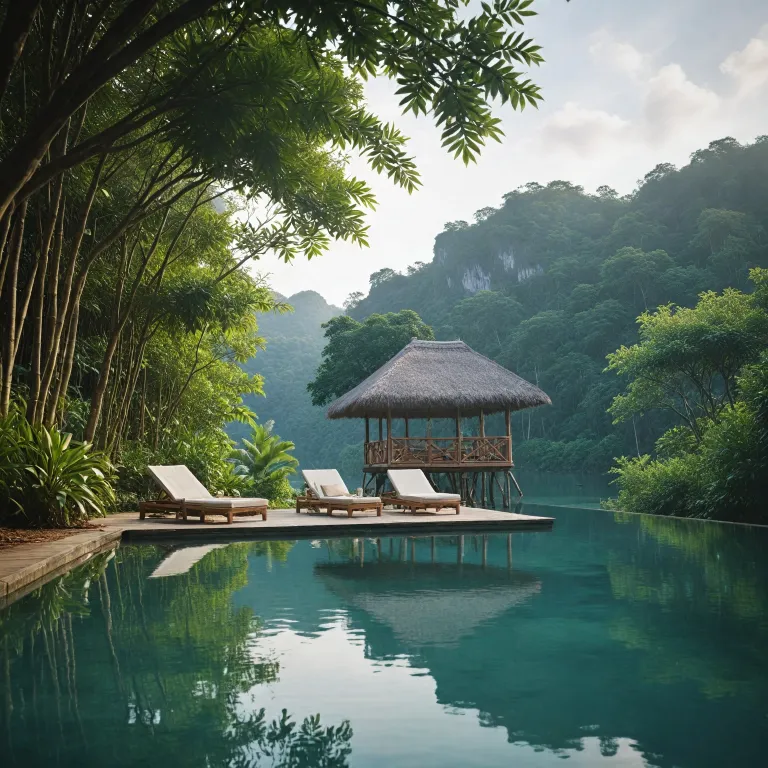
Eco luxury on Koh Yao Yai island Thailand for discerning travellers
Koh Yao Yai island Thailand offers a rare balance between understated luxury and genuine village life. The island sits quietly in Phang Nga Bay between Phuket and Krabi, giving travellers an easy transfer yet a completely different rhythm of day and night. With only around 8,000 residents spread across 137.6 km², the atmosphere feels spacious, calm, and deeply rooted in tradition.
For guests choosing a premium resort or eco hotel, the first impression of Koh Yao is often the silence of the beaches. Long curves of sand frame the island, with views across to nearby islands such as Koh Phi and Koh Lanta, while traditional longtail boats glide past in the distance. Many travellers plan a day trip from Phuket, then quickly realise that one day in Thailand on this island is never enough for meaningful cultural immersion.
The local town areas on Yai island remain modest, with small shops, family restaurants, and mosques shaping daily life. Around 90 % of residents practice Islam, so respectful clothing and behaviour are essential when you visit Koh Yai or explore Noi Koh nearby. Limited nightlife and the absence of traffic lights reinforce the feeling that time slows down here, which suits eco conscious guests seeking a quieter resort spa stay.
Luxury and premium booking platforms that highlight Koh Yao Yai island Thailand need to present this slower pace as a central part of the experience. Instead of promising endless parties or crowded beaches, they should emphasise sunrise walks, village markets, and guided excursions to Phang Nga Nga Bay. This approach aligns with travellers who value authenticity, sustainability, and refined comfort in equal measure.
Choosing eco hotels and resort spa stays on Yai island
Selecting an eco hotel or resort spa on Yai island requires more than scanning glossy photos. On Koh Yao Yai island Thailand, the most respected properties work closely with local residents, support traditional fishing and farming, and limit their environmental footprint. When you compare hotels, look for clear commitments to waste reduction, water management, and community employment rather than vague green slogans.
Many guests arrive via Phuket and then continue by speedboat to a yai resort or smaller island koh retreat. The crossing through Phang Nga Nga Bay reveals limestone cliffs and scattered islands, including Yao Noi and other small islets that remain largely undeveloped. This scenic transfer sets expectations for a stay where nature, rather than nightlife, becomes the main attraction throughout your trip.
High end platforms should clearly explain what it means to stay Santhiya or in similar eco focused properties on Koh Yao Yai. A resort spa here might use local batik textiles, source seafood from nearby villages, and organise low impact excursions to neighbouring beaches and islands. Guests benefit from refined service while knowing their spending supports the island economy and helps preserve the character of Koh Yao and Yao Noi.
Room descriptions should highlight natural ventilation, shaded terraces, and thoughtful design that reduces energy use. Instead of promoting oversized pools alone, listings can emphasise access to quiet beach areas, mangrove walks, and guided kayak routes around Yai Koh and Noi Koh. This level of detail helps travellers align their values with the right hotel and ensures that eco claims translate into real world practices.
Designing luxury booking journeys for Koh Yao Yai eco travellers
For a luxury or premium booking website, the challenge on Koh Yao Yai island Thailand is to respect the island’s soul while curating elevated stays. The booking journey should guide guests from initial inspiration to confirmed hotel reservation with clarity about culture, religion, and environmental expectations. This means integrating content about modest dress, limited nightlife, and the importance of supporting local businesses in Koh Yao town and smaller villages.
Search filters can help travellers compare eco resorts on Yai island, Yao Noi, and nearby islands such as Koh Phi or Koh Lanta. Instead of generic categories, platforms can offer tags like “low impact resort spa”, “community supported excursions”, or “quiet beaches with village access”. These filters allow guests to plan a day trip, multi day Thailand itinerary, or extended stay Santhiya style retreat that matches their travel ethics.
Rich destination pages should explain how to reach the island from Phuket, Krabi, or Phang Nga town, including ferry times and typical transfer durations. Clear guidance on the best time to visit Koh Yao Yai, including monsoon months with lush landscapes and fewer tourists, builds trust and sets realistic expectations. Integrating a link to in depth eco hospitality stories, such as a detailed eco friendly hotel spa experience in Hoi An on an external blog, can further educate guests about sustainable luxury standards.
Booking platforms also need to address practicalities like limited ATMs, the role of scooters and tuk tuks, and the quiet evenings on Yai Koh. By presenting these aspects as advantages for reflection and rest, rather than shortcomings, they attract travellers who value serenity. This thoughtful framing turns a simple trip into a considered journey through one of Thailand’s most peaceful islands.
Crafting meaningful itineraries around Koh Yao, Yao Yai, and Yao Noi
Thoughtful itineraries on Koh Yao Yai island Thailand weave together beach time, cultural encounters, and low impact exploration. Many guests start with a relaxed day on the main beaches of Yai island, watching longtail boats depart for neighbouring islands. From there, a curated day trip might include a guided visit to Yao Noi, where rubber plantations and fishing communities reveal another side of island life.
Premium booking websites can suggest themed days that balance rest and activity for different types of travel. One itinerary could focus on wellness, combining sunrise yoga at a resort spa, a gentle kayak excursion around island koh mangroves, and an evening cooking class in Koh Yao town. Another might highlight adventure, with snorkelling near Koh Phi, a boat journey through Phang Nga Nga Bay, and sunset on a quiet beach back on Yai Koh.
For guests with more time in Thailand, platforms can recommend linking Koh Yao Yai with stays in Chiang Mai, Phuket, or Koh Lanta. This creates a contrast between northern mountains, busy mainland hubs, and the calm islands of Phang Nga Province, including Yao Noi and Noi Koh. Clear explanations of transfer times, boat schedules, and the best seasons for each region help travellers structure their trip efficiently.
Importantly, itineraries should encourage respectful behaviour when visitors enter small villages or attend local markets. Suggestions might include buying batik textiles, tasting halal street food, and learning a few Thai phrases before you visit Koh Yai or Yao Noi. These details turn a standard holiday into a richer exchange between guests and hosts across the islands.
Balancing privacy, culture, and nature in eco luxury stays
Eco luxury on Koh Yao Yai island Thailand is defined less by excess and more by thoughtful restraint. Resorts are often set back from the main beaches, giving guests privacy while preserving public access for local residents and fishermen. This layout allows travellers to enjoy quiet pools and landscaped gardens without cutting off the community from its coastline.
High end properties on Yai island and Yao Noi increasingly integrate traditional materials and techniques into their design. Wooden walkways, thatched roofs, and locally crafted textiles connect the hotel environment with the wider culture of Koh Yao and Noi Koh. When guests stay Santhiya or in similar resorts, they experience comfort that feels rooted in place rather than imported from distant cities.
Nature based activities are central to the appeal of these islands, from kayaking around limestone formations in Phang Nga Nga Bay to cycling through rubber plantations. Booking platforms should highlight low impact excursions that avoid overcrowding sensitive beaches or disturbing wildlife near island koh mangroves. By promoting smaller group sizes and respectful guidelines, they help protect the environment that makes Koh Yao Yai and Yao Noi so attractive.
“This Thai island of 8,000 residents attracts 120,000 visitors without losing its soul”. This balance depends on travellers choosing hotels and resorts that align with sustainable principles and cultural respect. Luxury booking websites play a crucial role by steering guests toward properties that honour local traditions, support long term conservation, and keep the character of Yai Koh intact.
Practical guidance for planning your stay on Koh Yao Yai
Planning a stay on Koh Yao Yai island Thailand begins with understanding its gentle pace. Ferries and speedboats connect the island with Phuket and Krabi, but schedules can vary with tides and weather. Travellers should allow extra time in their trip plans, especially when coordinating flights with boat transfers to Yai island or Yao Noi.
Once on the island, transport options include scooters, tuk tuks, and local songthaews that link the main town with beaches and resort areas. Roads are simple, and there are no traffic lights, which reinforces the relaxed atmosphere of Koh Yao and Noi Koh. Guests who prefer not to drive can arrange transfers through their hotel or resort spa, ensuring safe and convenient movement around Yai Koh.
Because ATMs are limited, it is wise to bring sufficient cash for small purchases in town, markets, and beach cafés. Premium resorts on Koh Yao Yai island Thailand usually accept cards, but local shops and family run restaurants may not. Booking platforms should clearly mention this, along with guidance on modest dress when visiting villages, mosques, or schools on Yai island and Yao Noi.
When choosing dates, consider whether you prefer quieter monsoon months with lush greenery or drier periods with calmer seas for island hopping. Either way, you can plan a day trip to nearby islands such as Koh Phi, Koh Lanta, or smaller beaches within Phang Nga Nga Bay. With thoughtful preparation and the right eco focused hotel, your time on these islands becomes both comfortable and deeply respectful of their unique character.
Key statistics for Koh Yao Yai eco travel
- Island area of Koh Yao Yai is approximately 137.6 km², offering ample space for low density eco resorts.
- Population density on the island is around 112 residents per km², supporting a calm and uncrowded atmosphere.
- Approximately 120,000 visitors arrive each year, while the resident population remains close to 8,000 people.
Essential questions about planning a trip to Koh Yao Yai
How do I get to Koh Yao Yai ?
Koh Yao Yai is accessible by boat from Phuket or Krabi, with ferry services operating regularly. Travellers typically reach piers such as Bang Rong or Ao Po on the mainland, then continue by speedboat or local ferry to Yai island. Many resorts can arrange combined transfers, simplifying the journey from airport to hotel.
What is the best time to visit Koh Yao Yai ?
The island can be visited year round ; however, the monsoon season from roughly May to July and September to October brings lush landscapes and fewer tourists. Sea conditions may be choppier on some days, but the quieter beaches and cooler temperatures appeal to many eco travellers. Drier months usually offer calmer waters for island hopping to Yao Noi, Koh Phi, and other nearby islands.
Are there ATMs on Koh Yao Yai ?
ATMs exist on the island but remain limited in number and sometimes in reliability. Visitors should bring enough cash for daily expenses in town, local markets, and small restaurants, especially on Yai island and Yao Noi. Larger resorts and hotels generally accept cards, but relying solely on them can be inconvenient in more remote areas.